






More Health & Wellness Tips Articles
Is Matcha the Same as Green Tea: Discover the Key Differences
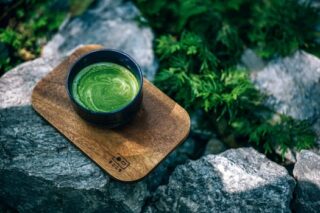
When contemplating the question, is matcha the same as green tea, it’s important to recognize the distinct journey of each from leaf to cup. Although matcha and green tea both originate from the Camellia sinensis plant, the process of cultivation and preparation sets them apart. Appreciated for their flavors and health benefits, understanding the difference between matcha and green tea can enhance both your knowledge and appreciation of these popular teas.
Is Matcha the Same as Green Tea?
At first glance, is green tea and matcha the same seems a reasonable query. However, while they share a common source, they differ significantly in their growth and processing methods. Green tea refers to leaves that are rapidly dried after harvest to prevent oxidation, keeping their vibrant green hue and delicate flavor. Conversely, matcha involves a shaded growing process that boosts chlorophyll content, which is then stone-ground into a fine, bright-green powder.
Growth and Harvesting
The journey of matcha begins weeks before harvest. Farmers cover the tea plants with shade cloths, gradually reducing the sunlight to enhance the plant’s chlorophyll levels. This technique results in leaves that are more tender and vibrant. Once harvested, the leaves are steamed, dried, and de-stemmed before being ground into a fine powder.
On the other hand, green tea plants are usually grown in full sunlight. The harvested leaves are quickly heated, either by steaming or pan-frying, to halt oxidation. This preservation step is vital in maintaining the fresh, grassy notes typical of green tea.
Preparation and Consumption
The preparation of these teas showcases another key difference. When enjoying matcha, the entire leaf powder is consumed. This distinctive method means matcha can offer a concentrated dose of nutrients compared to steeped green tea. Matcha is traditionally whisked with water in a bowl, resulting in a creamy, frothy beverage.
Green tea, contrastingly, is made by steeping the tea leaves in hot water, then discarding the leaves. This traditional brewing method offers a lighter flavor profile, allowing subtle floral and vegetal notes to shine without the full-bodied richness of matcha.
Flavor Profiles and Culinary Uses
Matcha is celebrated for its rich, umami flavor with a hint of sweetness and a slightly creamy texture. Its culinary versatility extends beyond being a beverage; it features prominently in recipes like baked goods, smoothies, and ice creams.
Green tea offers a more limited yet delicate flavor spectrum. It complements Asian cuisines beautifully due to its fresh, slightly floral or vegetal notes, and it’s often paired with seafood or used in light, refreshing desserts.
Health Benefits and Nutrient Profiles
Both matcha and green tea are packed with antioxidants that may support overall health. However, due to the consumption of the entire leaf, matcha tends to contain higher concentrations of beneficial compounds like catechins and L-theanine. These nutrients have been linked to enhanced mental clarity and a calming effect.
While both teas offer potential health advantages, it’s important to note that no single food or drink can prevent or cure health conditions. A varied and balanced diet is essential. For more on dietary choices and their effects, explore the importance of a high-protein diet for weight loss on our website.
Conclusion
So, when you wonder is matcha the same as green tea, remember their unique characteristics and shared lineage. Whether you prefer the boldness of matcha or the subtleness of green tea, both bring a delightful array of flavors and possible health benefits to your diet.
- Matcha and green tea come from the same plant but are processed differently.
- Matcha involves consuming the whole leaf, offering more concentrated compounds.
- Green tea is traditionally steeped, providing a lighter flavor.
- Both teas offer unique health benefits when included in a balanced diet.
- Matcha’s rich flavor pairs well with various culinary creations.
FAQ
What makes matcha more vibrant in color than green tea?
Matcha’s vibrant green color is due to its shading process before harvest, which increases chlorophyll production.
Can I substitute matcha for green tea in recipes?
Yes, but keep in mind that matcha’s flavor is more robust and concentrated, which may alter the taste of your dish.
Do matcha and green tea contain caffeine?
Both contain caffeine, though matcha typically has a higher concentration due to the consumption of the whole leaf.
Are the health benefits of matcha greater than those of green tea?
Matcha may offer more concentrated nutrients due to whole leaf consumption, but both have health benefits.
How should I store matcha and green tea to maintain freshness?
Store both in a cool, dark place in airtight containers to maintain their freshness and nutrient profiles.
Other Articles You May Find of Interest...
- Vital Safety Checks to Complete Before Purchasing Inhalers Online
- The Essential Role of Dialyzers in Kidney Health
- Exploring the Impact of Sinusoidal Patterns on Health and Wellness
- Mastering Communication in Healthcare: The Art of SBAR Techniques
- Unlocking the Health Benefits of Baking Soda and Lemon Juice
- Exploring the Benefits of Bier Block for Health and Wellness
- The Caffeine Content of a Double Shot of Espresso Explained



