






Your Health Magazine
4201 Northview Drive
Suite #102
Bowie, MD 20716
301-805-6805
More Health & Wellness Tips Articles
Empower Your Brain: Effective Strategies to Prevent Parkinson’s Disease
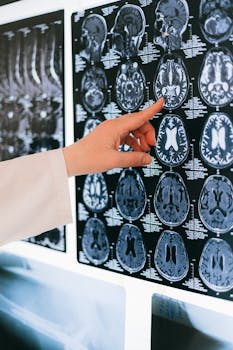
Wondering how to prevent Parkinson’s disease? Understanding the strategies to potentially reduce your risk can empower you to take control of your brain health. Parkinson’s disease is a complex neurological disorder, and while its exact cause is unknown, certain factors may contribute to its onset. Towards a practical pathway of prevention, adopting healthy lifestyle changes could play a crucial role.
How to Prevent Parkinson’s Disease
Preventing Parkinson’s disease might seem challenging, but incorporating several strategies into your daily life may help. Although research is ongoing, evidence suggests that certain activities and dietary choices can support brain health and possibly delay or prevent the onset of neurological disorders.
The Role of Diet in Brain Health
Eating a balanced diet rich in antioxidants, Omega-3 fatty acids, and vitamins is essential for maintaining brain health. Fruits and vegetables, especially those high in antioxidants like berries and leafy greens, may help protect brain cells from damage. Foods high in Omega-3, such as fatty fish, also contribute to brain health. A diet incorporating these nutrients could potentially lower the risk of Parkinson’s disease.
Additionally, drinking green tea is being studied for its potential neuroprotective properties. While more research is needed, including green tea as a dietary staple might offer some benefits.
Regular Physical Activity
Engaging in regular physical activity is another practical strategy for promoting brain health and possibly reducing the risk of Parkinson’s disease. Exercise increases blood flow to the brain and may help in maintaining the health of brain cells and synapses. Activities such as walking, swimming, or cycling can be beneficial.
Moreover, incorporating balance and coordination exercises, like yoga or Tai Chi, may directly contribute to brain and overall physical health.
Brain-Engaging Activities
The brain, like a muscle, benefits from regular use. Engaging in stimulating activities may help maintain cognitive function and possibly prevent the progression of neurological diseases. Puzzles, learning new skills, or even playing musical instruments keep the brain active and can be enjoyable ways to promote brain health.
Quality Sleep
Adequate sleep is paramount for brain health. During sleep, the brain clears out toxins that accumulate during the day. Consistently getting between seven to nine hours of robust, restful sleep each night supports cognitive function and overall well-being.
Maintaining good sleep hygiene, including a regular sleep schedule and a comfortable sleep environment, improves sleep quality and brain health.
Supplements and Cognitive Function
Some studies suggest that certain supplements might support cognitive function and brain health. For more insights on how supplements can aid in maintaining cognitive function as you age, visit our article on supplements that support cognitive function.
Managing Stress and Mental Health
Chronic stress can negatively impact brain health, so managing stress is crucial. Techniques such as meditation and mindfulness can help reduce stress levels and promote a calm, focused mind. Psychosocial factors also play an active role in maintaining brain health.
Ensuring positive mental health through counseling, social activities, and a strong support network fosters overall health and well-being, potentially impacting neurological disorders.
Environmental Factors
Exposure to certain environmental toxins has been associated with an increased risk of developing Parkinson’s disease. Being mindful of your environment and reducing exposure to pesticides and other harmful chemicals can contribute positively to reducing potential parkinsonian outcomes.
While lifestyle strategies may support long-term brain health, many individuals and families also benefit from planning for supportive care as neurological needs change over time. For older adults living with Parkinson’s or related conditions, home care for seniors can provide stability, safety, and daily structure in familiar surroundings. Services such as private nursing care at home, companion care, and bedside support help address mobility challenges, medication routines, and personal care needs with dignity. Families seeking Parkinson’s care on Long Island or working with experienced home care agencies in the Hamptons often rely on providers offering private duty nursing to bridge the gap between medical guidance and everyday living support.
Conclusion
Evidence suggests that lifestyle modifications, dietary adjustments, and proactive health strategies may help in how to prevent Parkinson’s disease. While no definitive cure exists, these actions contribute to a healthier life and potentially mitigate risk. Always consult with healthcare professionals to tailor strategies to your individual needs.
- Incorporate a diet rich in antioxidants and Omega-3 fatty acids.
- Engage in regular physical and brain-stimulating activities.
- Ensure adequate, quality sleep each night.
- Manage stress through mindfulness and a healthy lifestyle.
- Be vigilant about environmental exposures.
What dietary choices can support brain health?
Fruits, vegetables, foods high in Omega-3, and possibly green tea are beneficial in supporting brain health.
How can exercise help in preventing Parkinson’s disease?
Exercise increases blood flow to the brain and may help maintain brain health, delaying neurological deterioration.
Why is sleep important for preventing neurological disorders?
Sleep helps clear out toxins from the brain, supporting cognitive functions and brain health.
How can stress management contribute to brain health?
Managing stress through techniques like meditation supports mental health and may help delay neurodegenerative diseases.
Are there supplements that support brain health?
Some supplements may support brain health, although it’s essential to consult healthcare professionals regarding their use. Learn more about health and brain-supporting supplements.
Other Articles You May Find of Interest...
- The Essential Role of Dialyzers in Kidney Health
- Exploring the Impact of Sinusoidal Patterns on Health and Wellness
- Mastering Communication in Healthcare: The Art of SBAR Techniques
- Unlocking the Health Benefits of Baking Soda and Lemon Juice
- Exploring the Benefits of Bier Block for Health and Wellness
- The Caffeine Content of a Double Shot of Espresso Explained
- Discover the Surprising Benefits of Celtic Sea Salt for Your Health




