






More Health & Wellness Tips Articles
Causes Behind Your Eyebrow Twitching and How to Find Relief
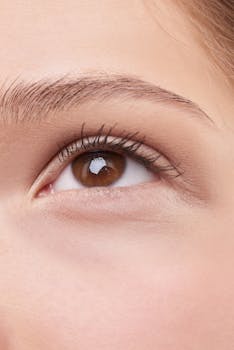
If you’ve ever wondered, “why does my eyebrow keep twitching,” you’re not alone. Eyebrow twitching, though often harmless, can be an annoying sensation. This guide will explore common causes and offer tips for relief, making you more informed about what might be triggering this phenomenon.
Why Does My Eyebrow Keep Twitching?
Eyebrow twitching, also known as myokymia, can be caused by several factors. Understanding these will help you manage and potentially prevent future episodes. Common causes include stress, fatigue, and caffeine intake, which are known to overstimulate the nerves controlling muscle movement and lead to twitching.
Common Causes of Eyebrow Twitching
Stress and Anxiety
Stress is a leading cause of muscle spasms, including eyebrow twitching. When stressed, the body’s fight-or-flight response can increase the likelihood of muscle twitches due to heightened nerve activity. Managing stress through techniques like mindfulness or relaxation exercises can help mitigate this condition.
Lack of Sleep
Not getting enough rest can lead to various physical symptoms, one of which is eyebrow twitching. Sleep deprivation affects the nervous system, making you more prone to involuntary movements. Prioritizing consistent sleep schedules and creating a restful environment can reduce the frequency of eyebrow twitches.
Excessive Caffeine and Alcohol
Caffeine is a nervous system stimulant and consuming too much can lead to twitching. Similarly, alcohol affects the central nervous system, and overconsumption may contribute to spasms. Monitoring intake of these substances might provide relief.
Nutritional Imbalances
Deficiencies in certain minerals and vitamins, like magnesium or Vitamin D, can lead to muscle twitches. Ensuring a balanced diet rich in nutrients may reduce the incidence of twitching. For more details on how nutrients affect your body, explore our article on vitamins and brain health.
Eyestrain
In today’s digital age, spending prolonged periods in front of screens can strain your eyes, sometimes leading to twitching. Taking regular breaks (the 20-20-20 rule: every 20 minutes, look at something 20 feet away for 20 seconds) may help prevent twitching caused by eyestrain.
Medical Conditions
Occasionally, chronic eyebrow twitching could be a sign of an underlying neurological condition such as multiple sclerosis or blepharospasm. If twitching persists or is accompanied by other symptoms, it’s advisable to seek professional medical advice.
How to Find Relief
Reduce Stress
Incorporating stress-reduction techniques can significantly reduce instances of twitching. Options include relaxation exercises, yoga, and meditation, which can help calm your nervous system.
Improve Sleep Hygiene
Adequate rest is crucial. Aim for 7-9 hours of quality sleep per night, and implement a bedtime routine that encourages your body to relax. Avoid screens at least an hour before bed and create a sleep-conducive environment.
Limit Stimulant Intake
Cutting down on caffeine and alcohol might help alleviate twitching. Instead, opt for hydration with water and herbal teas, which can be just as invigorating without the twitch-inducing effects.
Maintain a Balanced Diet
Include foods rich in nutrients that support nervous system health. Magnesium-rich foods like nuts and seeds, and Vitamin D sources such as fortified foods and fish, can contribute to overall muscle health.
Take Breaks from Screens
Implement regular breaks to reduce eyestrain, which is crucial for both eye health and to prevent twitching. Use the 20-20-20 rule as a guideline to maintain healthy vision.
When to See a Doctor
If the eyebrow twitching persists for more than a few weeks or is accompanied by other unusual symptoms, it’s important to consult a healthcare professional. They can help determine if there is a more serious underlying condition that needs attention.
For more comprehensive information on eyebrow twitching causes and remedies, visit this resource.
Conclusion
So, why does my eyebrow keep twitching? Although often benign, understanding the causes can help you manage it effectively. Should the condition persist or worsen, consulting with a healthcare provider is recommended for personalized advice.
- Eyebrow twitching is often caused by stress or fatigue.
- Limiting caffeine and maintaining hydration may help reduce twitching.
- Practicing stress-reduction techniques can offer relief.
- Ensure proper nutritional support for nerve health.
- Consult a professional if symptoms persist.
FAQs About Eyebrow Twitching
What exactly causes my eyebrow to twitch?
Eyebrow twitching can be caused by several factors including stress, fatigue, excessive caffeine, nutritional deficiencies, or eyestrain.
Can stress impact my muscle spasms?
Yes, stress can increase nerve activity, potentially leading to muscle spasms like eyebrow twitching.
Should I be concerned about my twitching eyebrow?
If your eyebrow twitching is infrequent and not accompanied by other symptoms, it is usually not a cause for concern. Persistent twitching, however, warrants a visit to a healthcare professional.
How can I prevent my eyebrows from twitching?
Managing stress, getting sufficient rest, reducing caffeine intake, maintaining a balanced diet, and taking breaks from screens can help prevent eyebrow twitching.
Is there a direct link between diet and eyebrow twitching?
Yes, a deficiency in nutrients like magnesium can lead to muscle twitches, so maintaining a balanced diet is important.
Other Articles You May Find of Interest...
- The Caffeine Content in Two Traditional Green Tea Bags Explained
- What Do Ice Baths Do? Everything the Top Articles Missed
- Stem Cell Therapy: How to Find a Trusted Medical Provider
- Mastering the SVR Calculation for Better Health Insights
- Buy Trusted Medicines Online from Drugshopoutlet – Safe, Fast & Affordable
- How to Build a Wardrobe That Supports Low Tox Living and Healthier Living
- How to Choose the Right Mask for Your Health: N95, Surgical, and Beyond



