






Your Health Magazine
4201 Northview Drive
Suite #102
Bowie, MD 20716
301-805-6805
More Health Technology Articles
How Healthcare Systems Are Adapting to Modern Challenges
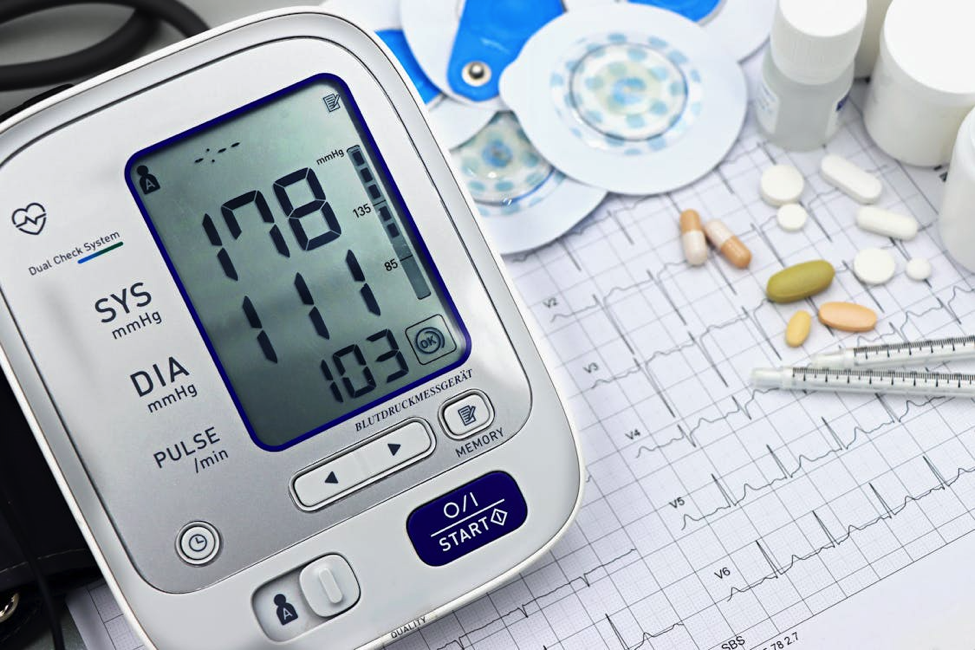
Have you ever wondered why getting basic healthcare still feels complicated in a world full of advanced technology? Hospitals have more tools than ever, yet patients often deal with delays, rising costs, and long wait times. Healthcare systems are under pressure from every direction, from staffing shortages to growing patient needs. In this blog, we will share how these systems are adapting, what changes are working, and where things are headed.
Building Stronger Leadership and Management Systems
While new tools and services get attention, leadership plays a bigger role than most people realize. Healthcare systems cannot adapt without people who understand both patient care and operations. This has led to a growing demand for trained administrators who can manage complex systems without losing sight of patient needs.
Many professionals now look toward advanced education to build these skills. The University of North Carolina Wilmington has the best online MHA programs, preparing individuals to handle challenges such as resource planning, policy development, and system coordination.
These programs focus on real-world problems, not just theory, which helps graduates step into roles where decisions have immediate impact.
Stronger leadership leads to better outcomes. When administrators understand how departments connect, they can reduce delays, improve communication, and manage budgets more effectively. For example, a well-managed hospital can cut down patient wait times simply by improving how information flows between departments.
Training also helps leaders respond to sudden changes. During the pandemic, hospitals that had clear leadership structures adapted faster. They shifted resources, expanded capacity, and communicated with staff more effectively. This kind of preparation now shapes how systems plan for future challenges.
Responding to Rising Demand and Limited Staff
Healthcare systems today face a simple but serious problem. More people need care, but there are not enough workers to meet that demand. Aging populations, chronic illnesses, and the aftereffects of the pandemic have pushed hospitals to their limits.
To manage this pressure, many systems have started changing how care is delivered. Urgent care centers and telehealth services now handle cases that once crowded emergency rooms. A patient with a minor issue can speak to a doctor online instead of waiting hours in a hospital. This shift frees up space for more serious cases.
Staff roles are also evolving. Nurses and support staff now take on tasks that used to fall only on doctors. This helps reduce bottlenecks and speeds up treatment. At the same time, hospitals are investing in better scheduling systems to avoid burnout. Rotating shifts more carefully and using data to predict busy periods allows teams to prepare instead of react.
These changes do not solve everything, but they help systems stay functional under pressure. The focus has moved from reacting to crises toward managing them in advance.
Using Technology to Improve Patient Care
Technology has become a central part of modern healthcare, but its role goes beyond flashy equipment. The real value lies in how it supports daily operations and patient care.
Electronic health records have replaced paper files in most hospitals. This allows doctors to access patient history quickly, which reduces errors and speeds up diagnosis. A patient visiting a new clinic no longer needs to repeat their entire medical history because it is already available in the system.
Telehealth has also become a regular option. Patients can consult doctors from home, which is especially helpful for those in rural areas. This reduces travel time and allows faster access to care. In some cases, remote monitoring devices track a patient’s condition and send updates directly to healthcare providers.
Automation plays a quiet but important role as well. Tasks like appointment scheduling, billing, and follow-ups are now handled by systems that reduce manual work. This allows staff to focus more on patient care instead of paperwork.
However, technology brings its own challenges. Systems must protect patient data and maintain privacy. Training staff to use new tools also takes time. Healthcare systems must balance the benefits of technology with the effort required to implement it properly.
Addressing Cost and Access Issues
One of the biggest concerns in healthcare remains cost. Patients often delay treatment because they worry about expenses, which can lead to more serious problems later. Healthcare systems are now looking for ways to make care more affordable and accessible.
Some hospitals have introduced pricing transparency tools that allow patients to see estimated costs before receiving treatment. This helps people make informed decisions and avoid unexpected bills. Insurance partnerships are also changing, with more focus on preventive care rather than just treatment.
Community programs are another key part of this shift. Mobile clinics and outreach services bring care to underserved areas, reducing the need for patients to travel long distances. These programs focus on early detection and routine care, which lowers long-term costs for both patients and providers.
Other Articles You May Find of Interest...
- How Healthcare Systems Are Adapting to Modern Challenges
- Top 7 Remote Patient Monitoring Companies in 2026
- How Technology Is Transforming Patient Communication in Hospitals
- When Facing Tech Challenges Adopting Ev0-Tech Can Lead to Success?
- Stop Treating Your iPad Case Like an Afterthought: A Real-World Guide for 2026
- How a Lateral Flow Reader Is Transforming Point-of-Care Diagnostics
- How Technology Is Transforming Pelvic Health Treatment




