






More Gastroenterology Articles
Why Is My Poop Green After Taking Tums?
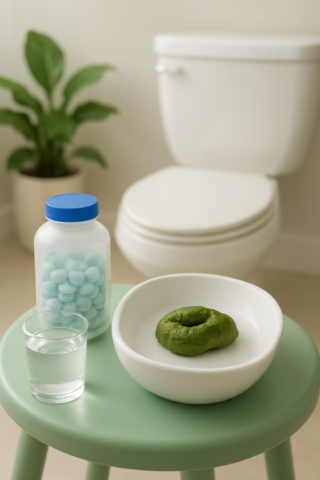
You’ve just taken a few Tums to ease your heartburn, and later you notice something unusual: your poop is green! While seeing this color in the toilet bowl might be surprising, it can indeed happen after consuming Tums. Let’s explore why your poop may turn green and when it’s time to seek advice.
Why Does Taking Tums Turn Your Poop Green?
Tums are antacids made primarily of calcium carbonate, intended to neutralize stomach acid and relieve heartburn. But why might they cause green stool? The culprit may be the dyes used in flavored Tums or the way these antacids interact with your digestive system. Bile, a greenish fluid produced by your liver to help digest fats, normally changes color as it progresses through your intestines. If your digestive tract moves quickly, bile might not break down completely, resulting in green poop.
When to Seek Care
While it’s often normal for stool color to change due to dietary influences or supplements, persistent green stool can indicate an underlying condition. You should consider consulting a gastroenterologist, especially if green stools are accompanied by symptoms like diarrhea, abdominal discomfort, or weight loss. Prompt medical evaluation is essential to rule out infections or malabsorption issues.
Adjustments and Expectations When Taking Tums
If you’ve switched to Tums from another antacid and notice persistent stool color changes, it’s worth monitoring any additional side effects. Some individuals may experience changes in bowel habits, while others might find certain food sensitivities are heightened. Keep in mind that switching between different types of antacids may lead to varying results in how your body processes bile.
It’s always a good idea to share any changes with your healthcare provider. If you’re concerned about side effects or the effectiveness of Tums, discussing alternatives with them can provide clarity. Your doctor can help determine which option is most appropriate based on your health history and specific symptoms.
Impact on Daily Life
Green stool after taking Tums might not seem significant, but it can lead to unnecessary worry if unexpected. Being aware of such possibilities helps manage concerns and reduces alarm. Certain foods like spinach, kale, and other green veggies can also enhance or maintain the green hue in your stool. Combining nutrient intake with medications might require adjustments to timing or portions.
Reading reliable general drug information, such as from the MedlinePlus Drug Information page, can provide useful insights into the side effects and interactions of medications like Tums.
Exploring Other Potential Causes
Besides Tums, several other factors might cause green stools. Artificial food coloring is a common culprit, particularly in candies or drinks. Additionally, a rapid intestinal transit, linked with diarrhea, might prevent bile from fully breaking down, resulting in greenish stool. If you’re avoiding supplementation and still notice green stool, evaluate your diet for any hidden sources of dyes and consult a healthcare provider for further investigation.
Common Questions
How long does it take for green stool to return to normal after taking Tums?
Typically, stool color should revert to normal within a day or two after stopping Tums, depending on your digestive schedule. If it persists, track dietary influences and seek medical advice.
What type of healthcare provider should I consult regarding green stool?
A gastroenterologist is the most appropriate specialist to consult if your stool color change coincides with other symptoms or persists without clear dietary causes.
Can green stool be prevented while taking Tums?
Monitoring your diet may help, especially by minimizing artificial dyes and incorporating more fiber, which can promote a balanced digestive transit time.
Are there specific questions I should ask my doctor about Tums and green stool?
Inquire about alternative antacids and any interactions with your current medications. You may also want to ask about tests for digestive health if the symptom continues.
- Tums may cause green stool due to dyes or faster digestion.
- Green stool accompanied by discomfort or diarrhea needs medical attention.
- Discuss any changes in medication with your doctor for tailored advice.
- Explore dietary sources that may influence stool color.
- Consult with a gastroenterologist for persistent symptoms.
Remember, finding green stool after taking Tums is usually harmless and temporary, but should it persist or present with other symptoms, it may require professional insight for reassurance.
Other Articles You May Find of Interest...
- Why You Get Stomach Bloating and Gas After Eating Meat
- Why Does Chick-fil-A Make My Stomach Hurt?
- Dr. Omar Marar on the Evolution of Modern Colorectal Surgery
- Pain Where Your Appendix Was Removed Years Ago: Possible Causes
- Why Multi-Strain Probiotics May Offer Broader Digestive Support
- What a Healthy Colon Looks Like During Colonoscopy
- A Better Digestive Rhythm: Everyday Habits for Preventing Occasional Constipation





