






More Gastroenterology Articles
Understanding Dangerous Calprotectin Levels and Their Implications
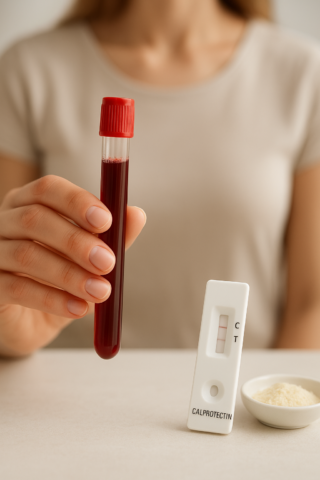
If you’ve ever been told you have elevated calprotectin levels, you might be wondering: what is a dangerous calprotectin level and what does it mean for your health? Elevated calprotectin in the stool is often an indication of inflammation in the intestines, commonly associated with conditions such as inflammatory bowel disease (IBD). While it can be concerning to hear about “dangerous” levels, understanding what these levels signify and when to seek medical advice is crucial in managing your health effectively.
What Is a Dangerous Calprotectin Level?
Calprotectin is a protein found in white blood cells and is a marker used to detect inflammation in the gut. Doctors may order a fecal calprotectin test when they suspect inflammatory conditions like Crohn’s disease or ulcerative colitis. While specific numerical thresholds can vary, elevated levels generally indicate a need for further investigation.
A calprotectin level is considered “dangerous” if it suggests significant inflammation or potential complications that require immediate medical intervention. High levels often warrant a deeper look with additional diagnostic tests or imaging to reveal the exact cause of the inflammation. In many cases, a precise diagnosis can guide effective treatment plans to manage symptoms and prevent further complications.
Factors Affecting Calprotectin Levels
Several factors can influence calprotectin levels, including infections, medication, diet, and stress. For example, recent antibiotic use or a bout of gastroenteritis can temporarily elevate calprotectin levels. Dietary choices and lifestyle factors such as smoking or heavy alcohol consumption can also impact the results.
It’s important to understand these factors and discuss them with your healthcare provider, as they can affect the test outcomes. Adjustments to lifestyle or medication may sometimes help reduce inflammation, as well as improve overall gut health. Discover how lifestyle choices play a significant role in our overall well-being.
Syndrome and Disease Management
High calprotectin levels often lead to a closer examination of underlying conditions like IBD. Inflammatory bowel disease is typically managed with medications to suppress inflammation and control symptoms. For some people, diet and lifestyle modifications can also play a supportive role. It’s important to work closely with your gastroenterologist to determine the best treatment strategy for you.
Medications commonly used in managing IBD include aminosalicylates, corticosteroids, and biologics. These medications aim to reduce inflammation and receive regular monitoring of calprotectin levels to assess the treatment’s effectiveness. Adjusting medication may be necessary if symptoms persist or worsen. Some people may also explore complementary therapies, though they should never replace prescribed treatments.
Practical Medication and Management Tips
Your healthcare provider will consider whether to adjust your medication based on factors such as side effects, level of inflammation, and individual response to treatment. Understanding typical side effects and how they might change over time is helpful. Common side effects with IBD medications can include nausea, headaches, or increased risk of infections, and these should be reported if alarming.
Before making any changes to your treatment regimen, discuss the potential risks and benefits with your doctor. They can offer guidance on how to switch medications if necessary and what to consider when doing so.
When to Seek Care
Increased calprotectin levels should prompt a discussion with a healthcare provider, particularly if accompanied by symptoms like persistent diarrhea, abdominal pain, or unintended weight loss. These are signs that specialized care may be necessary.
Gastroenterologists specialize in conditions involving the digestive tract and are the most likely to evaluate and treat significantly elevated calprotectin levels. They may recommend further diagnostic testing or imaging to get a clearer picture of what’s happening inside your gut.
How It Affects Daily Life
Living with elevated calprotectin levels and a potential IBD diagnosis can significantly impact daily life. Fatigue and frequent bathroom trips can disrupt work or social activities. Keeping track of symptoms, medication, and dietary choices can help manage day-to-day life more effectively.
For many, managing stress through physical activities or mindfulness techniques can also offer relief from symptoms, as stress is a known trigger for flare-ups. Collaborating with a healthcare professional to tailor strategies for coping with everyday challenges can make a significant difference.
Takeaways
- Calprotectin is a marker for inflammation in the gut; high levels may indicate conditions like IBD.
- Understanding what influences levels can help manage inflammation and symptoms.
- Regular discussions with healthcare providers are crucial for effective management strategies.
- Medications and lifestyle adjustments can work together to alleviate symptoms.
- Seek specialized medical advice if symptoms are severe or persistent.
Common Questions
When should I see a doctor about calprotectin levels?
If you experience persistent symptoms like diarrhea, abdominal cramping, or weight loss, it’s essential to contact a healthcare provider. Elevated calprotectin levels without classic symptoms should also be discussed, as they might indicate underlying inflammation that requires attention.
What type of doctor usually treats conditions with elevated calprotectin?
A gastroenterologist typically manages conditions like IBD, which can result in elevated calprotectin levels. They are skilled in diagnosing and treating digestive health issues, providing tailored treatment plans for each patient.
Are there ways to lower calprotectin levels naturally?
While lifestyle and dietary changes may help support lower inflammation, they should complement medical treatment rather than replace it. Strategies might include a diet rich in anti-inflammatory foods, regular physical activity, and stress management techniques. Always consult with your doctor before making significant changes.
Can medications impact calprotectin levels?
Yes, certain medications can affect calprotectin levels. For example, nonsteroidal anti-inflammatory drugs (NSAIDs) or recent antibiotic use could elevate these levels temporarily. It’s important to tell your healthcare provider about any medications you’re taking when being tested.
Where can I learn more about calprotectin and related health conditions?
You can find more detailed health information on conditions associated with high calprotectin levels at the MedlinePlus Health Topics page, a valuable resource for understanding various health issues.
Other Articles You May Find of Interest...
- Why You Get Stomach Bloating and Gas After Eating Meat
- Why Does Chick-fil-A Make My Stomach Hurt?
- Dr. Omar Marar on the Evolution of Modern Colorectal Surgery
- Pain Where Your Appendix Was Removed Years Ago: Possible Causes
- Why Multi-Strain Probiotics May Offer Broader Digestive Support
- What a Healthy Colon Looks Like During Colonoscopy
- A Better Digestive Rhythm: Everyday Habits for Preventing Occasional Constipation





