






More Gastroenterology Articles
Quick Ways to Find Immediate Relief from Stomach Ulcer Pain
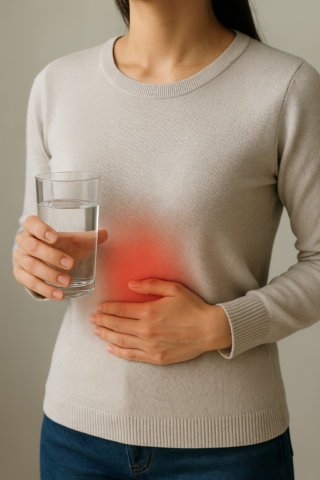
Imagine you’re enjoying a delicious meal when suddenly, that all-too-familiar burning sensation in your stomach flares up. For those battling stomach ulcers, relief can’t come soon enough, and many are searching for immediate relief from stomach ulcer pain. Here, we’ll explore practical steps you can take to ease this discomfort and help you get back to your daily routine.
Get Immediate Relief from Stomach Ulcer Pain
The pain associated with stomach ulcers can often be soothed by implementing a few quick strategies. First and foremost, try to identify and avoid any food or drink that triggers your symptoms. Often, things like spicy foods, alcohol, and caffeine are common culprits. Implementing dietary changes can bring some immediate comfort.
Over-the-counter (OTC) medications such as antacids can offer quick, albeit temporary, relief. These products work by neutralizing stomach acid and can alleviate pain swiftly. However, they are not a long-term solution and should be used as a temporary measure while waiting to consult with a healthcare provider.
Other Helpful Tips for Soothing Ulcer Pain
Stress management also plays a crucial role in easing stomach ulcer discomfort. Techniques like deep breathing, meditation, or gentle yoga can significantly reduce stress levels and, consequently, reduce pain. Ensuring you get adequate rest cannot be overstated, as a good night’s sleep helps your body heal and recover.
Some studies suggest that certain supplements, such as zinc or probiotics, may support ulcer healing. Discuss any supplements with a healthcare provider first, as they can assess whether it’s suitable for your specific situation.
When to Seek Care
While self-care strategies can be effective, you should stop self-managing and seek professional evaluation if the pain persists, worsens, or is accompanied by other symptoms like vomiting or blood in stool. Gastroenterologists, specialists in digestive health, are typically the go-to professionals for stomach ulcers. They can perform diagnostic tests and recommend more robust treatments tailored to your needs.
Managing Medications for Ulcer Pain
Understanding how medication integrates into ulcer management is crucial. You might wonder if you need to stop taking one medication before starting another for ulcers. It largely depends on what you’re currently taking and what you’ve been prescribed, so it’s vital to follow your physician’s guidance to avoid adverse interactions.
For some people, side effects from medications might emerge or change over time. If you notice new symptoms after starting treatment, discuss these with your healthcare provider. They can adjust your regimen to better suit you while continuing to protect your stomach lining.
How Everyday Life Can Be Affected
Living with a stomach ulcer can alter everyday activities, from meal planning to how you respond to stress. It might mean saying no to the hot sauce or modifying mealtime to suit a more ulcer-friendly diet. Travel plans might need a bit more preparation if specific medications or dietary restrictions are involved. Understanding your triggers and planning around them can go a long way in maintaining a comfortable lifestyle.
Understanding various health conditions can be overwhelming. For more health topics, check out MedlinePlus’s comprehensive resources here.
Takeaways
- Identify and avoid foods and drinks that trigger ulcer pain.
- Utilize OTC antacids for temporary relief, but seek long-term guidance from a healthcare provider.
- Incorporate stress-reducing techniques like meditation into your routine.
- Consult a gastroenterologist if symptoms persist or worsen.
- Discuss the use of supplements with a healthcare provider.
Common Questions
When should I see a doctor for stomach ulcer pain?
If your symptoms are persistent, severe, or accompanied by alarming signs like blood in the stool, it’s time to see a doctor. Gastroenterologists specialize in treating stomach ulcers and can provide comprehensive care.
What lifestyle changes can help prevent ulcer pain?
Avoiding known dietary triggers, reducing stress, and maintaining a balanced diet can all contribute to minimizing ulcer pain. Regular medical check-ups and adhering to prescribed treatment plans also play a vital role in prevention.
Can certain medications worsen a stomach ulcer?
Some medications, particularly NSAIDs like ibuprofen, can exacerbate ulcer conditions. It’s crucial to discuss all medications with your healthcare provider to ensure they don’t interfere with ulcer healing.
Do I have to adjust my diet permanently?
While some changes might need to be maintained long-term, many people find that the initial adjustments can eventually be relaxed. Monitoring how various foods impact your symptoms over time can guide these decisions.
If you’re seeking immediate relief from stomach ulcer pain, these strategies might offer the comfort you need to manage everyday life effectively. However, a personalized approach with healthcare guidance provides the most comprehensive care.
Other Articles You May Find of Interest...
- Why You Get Stomach Bloating and Gas After Eating Meat
- Why Does Chick-fil-A Make My Stomach Hurt?
- Dr. Omar Marar on the Evolution of Modern Colorectal Surgery
- Pain Where Your Appendix Was Removed Years Ago: Possible Causes
- Why Multi-Strain Probiotics May Offer Broader Digestive Support
- What a Healthy Colon Looks Like During Colonoscopy
- A Better Digestive Rhythm: Everyday Habits for Preventing Occasional Constipation





