






More Gastroenterology Articles
Promyelocytes: Key Insights into Their Role in Blood Health
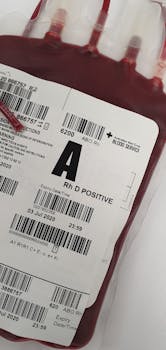
When you hear the term promyelocyte, it might bring back memories of complicated biology lessons or sound like it’s straight from a medical textbook. However, understanding what a promyelocyte is and its role in your blood health can offer valuable insights into how your body operates and what might happen when things go awry. These cells are one component of the incredible and complex machine that is your immune system, playing a crucial role in the development of white blood cells.
The Role of Promyelocyte in Blood Health
Promyelocytes are immature blood cells, part of the myeloid cell lineage, which eventually mature into neutrophils. Neutrophils are essential for a healthy immune response, as they are one of the body’s first lines of defense against infection. If something disrupts this development, it can lead to various blood disorders that affect your health in serious ways.
Promyelocytes are typically found in the bone marrow, where blood cells are produced. Their presence outside of this environment, such as in the blood, may indicate a problem like leukemia or other myeloproliferative disorders. Given their importance, an abnormal promyelocyte count in a blood test can be an important diagnostic clue for clinicians in their metabolic detective work.
Everyday Impact of Abnormal Promyelocyte Levels
Fluctuations in promyelocyte levels can have profound impacts on everyday life. If these levels are off, you might experience symptoms related to compromised immunity, such as recurrent infections. In some cases, an overproduction can also lead to conditions like acute promyelocytic leukemia (APL), which require immediate medical attention. Understanding these signs is vital, as treatment will not only address the underlying blood disorder but also enhance day-to-day well-being.
When to Seek Care
If you experience persistent symptoms such as fatigue, unexplained bruising, or frequent infections, it may be prudent to seek medical evaluation. A hematologist, a type of doctor who specializes in blood disorders, can perform specific tests to determine if your promyelocyte levels are typical or if there’s an underlying issue that requires attention. Don’t hesitate to reach out to a healthcare provider if these symptoms are affecting your quality of life.
Practical Information About Blood Tests and Results
Receiving blood test results can be an anxiety-inducing experience, especially if it includes medical jargon that isn’t immediately clear. Promyelocytes might be mentioned in the context of a complete blood count (CBC) or bone marrow biopsy results. It’s crucial to have a conversation with your healthcare provider to interpret these results accurately and understand their implications on your health. Increases or decreases in promyelocyte levels can indicate different health issues, and your provider can guide you through the specifics.
Understanding how lifestyle choices affect your blood health is another essential component of managing these conditions and can amplify the outcomes of medical interventions. Regular exercise, a balanced diet, and avoiding smoking are recommended lifestyle changes that can positively influence your overall well-being. For more insights into how lifestyle impacts health, read more here.
Questions to Discuss with Your Doctor
When you’re dealing with potential issues relating to promyelocytes, prepare to ask your doctor specific questions to ensure clarity and comprehensive care. Key points to discuss include the implications of abnormal promyelocyte levels, potential treatments, and how lifestyle changes may support your treatment plan. Some conditions might require specialized therapies, while others could benefit significantly from improvements in diet or activity levels.
External Support and Information
For additional reading and to expand your understanding of promyelocytes and related health topics, consult reliable medical resources online. One such source is the Health page on Wikipedia, which offers accessible information and links to credible research studies and guidelines that can deepen your understanding of blood health.
- Promyelocytes are precursors to neutrophils, a type of white blood cell.
- Abnormal levels in blood tests can indicate underlying health conditions.
- Monitoring symptoms and seeking timely care is crucial for effective management.
- Engage with healthcare providers to interpret test results and plan treatments.
- Supporting overall health through lifestyle choices can complement medical care.
Common Questions
What are common symptoms indicating a need to test promyelocyte levels?
If you notice symptoms such as persistent fatigue, unusual bruising, or frequent infections, it may be time to consult a healthcare provider for a blood test.
What type of doctor should I see for promyelocyte issues?
A hematologist is specialized in treating blood disorders and would be the most appropriate healthcare provider to consult for issues related to promyelocyte levels.
How does diet and lifestyle affect promyelocyte levels?
While not directly affecting promyelocyte levels, a healthy diet, regular exercise, and avoiding harmful habits like smoking can support overall blood health.
Can promyelocyte levels return to normal with treatment?
With appropriate medical intervention, particularly for conditions like acute promyelocytic leukemia, many patients can manage the condition effectively and see normalization of blood cell counts.
What questions should I ask during my medical appointment?
Focus on asking about the causes of your symptoms, potential treatments, how your lifestyle may affect your condition, and any other adaptations that could support your health journey.
Other Articles You May Find of Interest...
- Why You Get Stomach Bloating and Gas After Eating Meat
- Why Does Chick-fil-A Make My Stomach Hurt?
- Dr. Omar Marar on the Evolution of Modern Colorectal Surgery
- Pain Where Your Appendix Was Removed Years Ago: Possible Causes
- Why Multi-Strain Probiotics May Offer Broader Digestive Support
- What a Healthy Colon Looks Like During Colonoscopy
- A Better Digestive Rhythm: Everyday Habits for Preventing Occasional Constipation





