






More Gastroenterology Articles
Can You Dislocate a Rib? Understanding the Causes and Symptoms
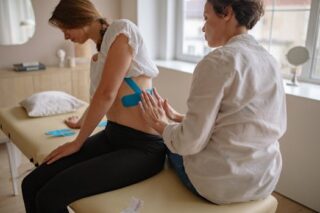
When you hear about dislocations, joints like shoulders or knees might come to mind. However, the curiosity surrounding “can you dislocate a rib” is indeed valid. Ribs are essential for forming the rib cage that protects vital organs such as the heart and lungs. Though not commonly thought of, ribs can and do become dislocated, and understanding how this happens, along with the symptoms, can be vital for recognizing the issue and seeking appropriate care.
Can You Dislocate a Rib?
Yes, you can dislocate a rib, although it may not be as common as dislocations of more mobile joints. A rib dislocation involves the displacement of a rib from its usual position, often where it connects to the spine or sternum. This can happen due to trauma, repetitive strain, or other underlying medical conditions. Understanding the causes and symptoms of rib dislocation can help in seeking timely medical intervention.
Causes of Rib Dislocation
Rib dislocation can occur due to several reasons, such as:
- Traumatic Injury: A direct blow to the chest, such as from a car accident or a fall, can dislocate a rib. Sports injuries are also a common source.
- Repetitive Motion: Activities that involve twisting or heavy lifting may place unusual strain on the rib cage, potentially leading to dislocation.
- Underlying Health Conditions: Diseases affecting the connective tissues, such as Ehlers-Danlos syndrome, may increase the likelihood of rib dislocations.
Symptoms of a Dislocated Rib
Recognizing the symptoms of a dislocated rib can guide individuals to seek necessary help. Common symptoms include:
- Sharp Pain: A sudden, sharp pain in the chest or back is often the most noticeable sign.
- Swelling and Tenderness: The area around the dislocated rib may feel swollen and tender to touch.
- Difficulty Breathing: When a rib is dislocated, it can be painful and challenging to take deep breaths.
- Painful Movements: Movements involving the upper body can become painful and limited due to the dislocation.
Diagnosis and Treatment
If you suspect a rib dislocation, it is crucial to seek medical advice. A healthcare provider will conduct a physical examination and may use imaging tests, such as X-rays, to confirm the diagnosis. Treatment typically focuses on pain management and may include:
- Medications: Over-the-counter pain relief medications can help manage the discomfort.
- Rest and Ice: Resting and applying ice can reduce swelling and aid recovery.
- Physical Therapy: In some cases, physical therapy may be recommended to help reinforce the affected area.
Prevention and Lifestyle Considerations
While not all rib dislocations can be prevented, certain lifestyle changes can reduce the risk:
- Strength Training: Exercising to strengthen chest and back muscles can enhance stability and support for the rib cage.
- Avoiding Repetitive Strain: Proper techniques should be used during daily activities and sports to avoid excessive twisting or lifting.
- Comprehensive Health Management: Managing underlying health conditions is crucial for reducing the likelihood of rib dislocations and other related injuries.
For more detailed guidance on how overall lifestyle choices can impact health, you might want to read about how lifestyle choices impact our overall health.
Can You Dislocate a Rib and How to Move Forward?
If you experience symptoms that suggest a rib might be dislocated, it’s important to consult a healthcare professional. Though rib dislocation can be painful, understanding it is the first step towards taking control of your health. Remember, “can you dislocate a rib?” is a valid question, and the possibility should prompt careful listening to bodily signals and seeking timely medical advice. For more detailed information, the Health article on Wikipedia provides a wealth of general health knowledge.
Takeaways
- Rib dislocation can occur due to trauma or repetitive strain.
- Symptoms include sharp pain, swelling, and difficulty breathing.
- Diagnosis typically involves physical exams and imaging tests.
- Treatment may include pain relief, rest, and physical therapy.
- Lifestyle choices play a significant role in prevention.
FAQ
What is a rib dislocation?
A rib dislocation occurs when a rib moves out of its usual position, often causing pain and difficulty with breathing or movement.
How is a rib dislocation different from a broken rib?
A rib dislocation involves the displacement of the rib from a joint, while a broken rib refers to a fracture in the bone itself.
What should I do if I suspect a dislocated rib?
Seek medical attention for a proper diagnosis and treatment plan to manage pain and promote recovery.
Can a dislocated rib heal on its own?
In some cases, with proper rest and care, a dislocated rib may heal without surgical intervention, though medical guidance is essential.
What are some risk factors for rib dislocation?
Risk factors include high-impact sports, repetitive motions, and certain health conditions affecting connective tissue.
Other Articles You May Find of Interest...
- Can You Dislocate a Rib? Understanding the Causes and Symptoms
- What to Expect After an Anal Sphincterotomy
- Is Omental Infarction a Hidden Cause of Abdominal Pain?
- Unlocking Digestive Health Insights with the Calprotectin Fecal Test
- Does Kombucha Help Relieve Constipation? Discover the Truth About Its Effects
- Linitis Plastica: What Are the Symptoms and Treatment Options?
- Why Am I Coughing After Eating? Exploring Causes and Solutions




