More Gastroenterology Articles
Can Tums Cause Digestive Changes and Impact Your Bowel Movements?
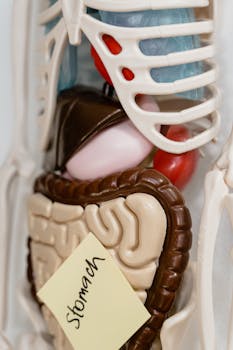
It might surprise you to learn that many people wonder, “Does Tums make you poop?” Though primarily used to relieve heartburn and indigestion, Tums, known scientifically as an antacid, might have unintended effects on your digestive system. If you’ve been noticing changes in your bowel habits and Tums is part of your routine, you’re not alone in your curiosity.
Does Tums Make You Poop?
The primary function of Tums is to neutralize stomach acid and provide relief from symptoms like heartburn or indigestion. However, some individuals report changes in their bowel habits after taking Tums, experiencing either softer stools or mild constipation. This can be attributed to calcium carbonate, the active ingredient in Tums, which is known to affect digestive processes. While Tums is generally well-tolerated, its impact on bowel movements can vary from person to person.
Understanding the Role of Calcium
Calcium carbonate not only helps to manage acid in the stomach but can also influence the normal rhythm of your digestive system. Calcium is essential for muscle contractions and signaling in the body, including the gut. For some people, too much calcium intake, which can happen with frequent use of Tums, may lead to constipation. On the flip side, others might find that their stools become more frequent or looser.
When to Seek Care
If you’ve noticed persistent or distressing changes in your bowel habits after taking Tums, especially if symptoms worsen or are accompanied by pain, it’s important to consult a healthcare provider. A gastroenterologist can evaluate your symptoms accurately and suggest appropriate interventions, which may include dietary adjustments or alternative treatments. While mild changes are common, ongoing issues warrant professional evaluation.
Potential Side Effects and Symptoms
Aside from changes in bowel movements, Tums may cause other side effects like bloating, belching, or mild stomach cramps. In rare cases, prolonged use of high-dose antacids can lead to a condition known as milk-alkali syndrome, characterized by elevated blood calcium levels, which can be serious if untreated. Recognizing the signs early can prevent complications and ensure your safety.
Tips for Managing Digestive Changes
If you’re experiencing digestive changes while using Tums, there are several practical steps you can take to minimize discomfort. First, consider monitoring your diet alongside Tums usage. Reducing foods known to aggravate acid reflux, like spicy or acidic foods, might lessen your need for antacids. Staying hydrated and engaging in regular physical activity also helps maintain normal bowel function. If adjustments don’t lead to improvement, a clinician can offer more targeted solutions.
For more detailed advice on recognizing symptoms that may not be directly linked to Tums, you might find this article on recognizing the signs of hemochromatosis helpful.
Practical Considerations When Using Tums
While questions about the interaction between Tums and digestive changes are common, individual reactions often depend on personal health factors. Before making changes to your medication routine, such as supplementing with antacids or altering doses, it’s wise to discuss your plans with a healthcare provider.
It’s important to be aware that overuse of antacids may mask symptoms of more serious conditions. Hence, routine consultations with a healthcare professional are advised if you’re using Tums frequently or in high doses.
For detailed guidance on the use of over-the-counter medications like Tums and their side effects, consider visiting trustworthy health resources like the Mayo Clinic.
Common Questions
When should I see a doctor about changes in bowel movements?
If you experience ongoing changes in bowel habits that persist despite stopping Tums, or if you’re experiencing pain, bleeding, or unintended weight loss, it’s important to consult a healthcare provider promptly.
What type of healthcare provider should I consult?
A gastroenterologist specializes in digestive tract issues and is well-equipped to diagnose and treat any underlying conditions that might be contributing to digestive changes.
Could something other than Tums be causing my symptoms?
Yes, dietary factors, stress, and other medications can also affect bowel movements. It’s essential to consider your complete health picture rather than assuming a single cause.
Are there alternatives to Tums for managing heartburn?
There are other medication options such as H2 blockers and proton pump inhibitors. Lifestyle changes, such as avoiding trigger foods and eating smaller meals, can significantly help too.
Can lifestyle changes help with the side effects of Tums?
Absolutely. Staying active, maintaining a healthy diet, and managing stress levels can all contribute to a healthy digestive system.
Ultimately, does Tums make you poop? While it can influence bowel movements, the extent varies for each individual. Proper guidance from healthcare professionals will ensure the right approach to managing both heartburn and digestive health efficiently.
- Tums is commonly used for heartburn relief but may affect bowel habits.
- Calcium carbonate can lead to either constipation or looser stools for some people.
- Seek medical advice if bowel changes are persistent or severe.
- A gastroenterologist can help identify and treat the underlying causes.
- Consult trusted medical resources for reliable information on antacid use.
Other Articles You May Find of Interest...
- Why You Get Stomach Bloating and Gas After Eating Meat
- Why Does Chick-fil-A Make My Stomach Hurt?
- Dr. Omar Marar on the Evolution of Modern Colorectal Surgery
- Pain Where Your Appendix Was Removed Years Ago: Possible Causes
- Why Multi-Strain Probiotics May Offer Broader Digestive Support
- What a Healthy Colon Looks Like During Colonoscopy
- A Better Digestive Rhythm: Everyday Habits for Preventing Occasional Constipation