






Your Health Magazine
4201 Northview Drive
Suite #102
Bowie, MD 20716
301-805-6805
More Financial Wellness Articles
How Credit Cards Can Help You Manage Healthcare Costs: A Global Perspective
Healthcare costs are rising everywhere, so many people are turning to tools they already use daily to get some financial breathing room. Credit cards might not be the first thing you think of when you’re facing a medical bill, but around the world they’re becoming part of how people smooth out sudden expenses, deal with emergencies, and access care without delay. Let’s look at how that works, what the risks are, and why it matters no matter where you live.
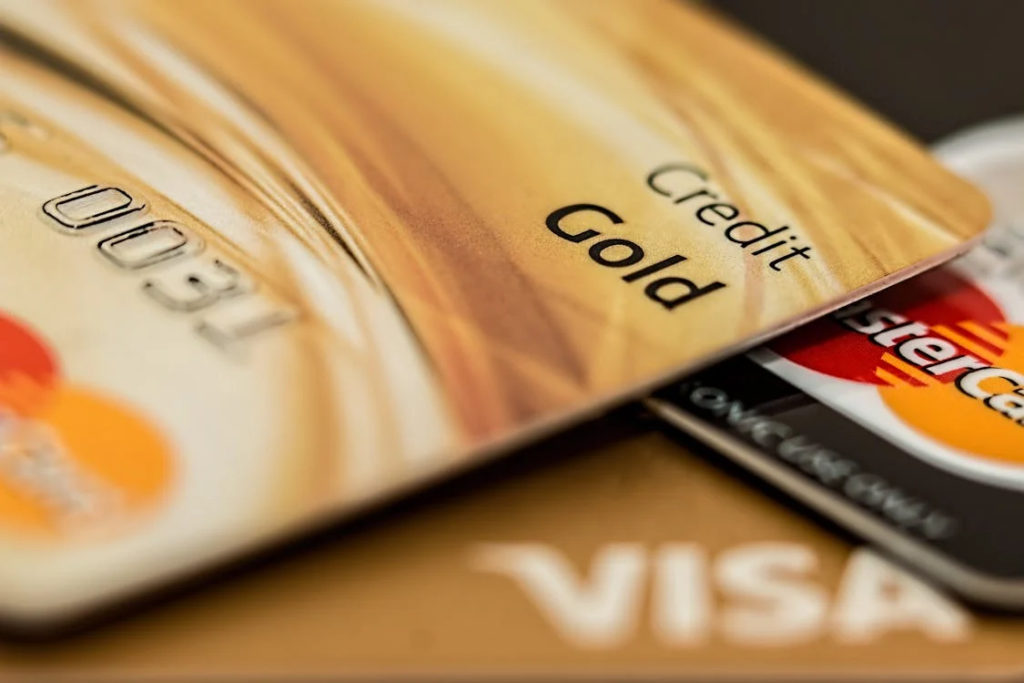
Image Source: Pexels
Why Healthcare Costs Push People Toward Credit Cards
In many countries, the cost of medical treatment is unpredictable. Even with insurance, people face deductibles, surprise bills, or services that aren’t fully covered. It’s no wonder that paying with a card is becoming more common.
The global rise of credit based medical spending
Different markets show the same pattern: hospitals and clinics are increasingly accepting cards for everything from routine appointments to major procedures. In some places, providers even encourage card payments because they get paid faster and avoid billing delays. This shift is especially noticeable in areas with high out of pocket spending.
Many consumers are leaning on cards because traditional billing systems don’t give them enough time to pay. According to AP News, unpaid medical bills have created a financial drag on millions, pushing people to seek more manageable payment options.
How Credit Cards Can Actually Help You Manage Medical Expenses
Used thoughtfully, a credit card can be more than a fallback option.
Immediate access to care
When something unexpected happens, a card removes delays. You don’t have to figure out a payment plan on the spot. You get treated, then sort the finances afterward. This convenience has encouraged more providers globally to keep cards on file.
Flexibility when bills surprise you
Some countries have complex pricing systems, and even a simple visit can lead to multiple invoices. A card can help you consolidate costs so you don’t have to juggle separate deadlines. It also gives you time to understand the charges before paying them off.
If you want to get to grips with the benefits of credit cards then checking out reputable providers like 118118Money can help you understand how features like interest free periods and budgeting tools work in real life. The more information you have available, the easier it is to make savvy financial decisions, regardless of your circumstances.
Extra protections on purchases
Many cards come with built in protections that extend to medical transactions. These include dispute rights if something is billed incorrectly or if you’re charged for services you didn’t receive. In a global healthcare landscape where billing errors are common, that’s a useful safety net.
Here are a few quick examples of how people use cards to stay in control:
- Covering an unexpected prescription while waiting for payday
- Spreading a large procedure cost over a few months
- Paying for urgent care while traveling abroad
When Credit Cards Make the Most Sense for Healthcare
Across countries with both public and private healthcare systems, consumers use different strategies to keep medical costs manageable, especially when the need for emergency care arises.
Planning for regular care
Cards can be helpful when you have predictable treatments, such as checkups or specialist visits. Some people align medical payments with their billing cycle so everything clears around the same time each month. Providers are increasingly aware of this preference.
Navigating high cost procedures
Even insured patients sometimes get large bills. In these moments, having a card with a decent limit or a promotional interest offer can prevent financial stress. According to coverage by CNBC, medical costs are a significant factor behind why nearly half of credit card users carry a balance month to month, which shows how closely personal health and personal finance are linked.
Managing costs while traveling
Traveling often means dealing with private healthcare systems, so paying with a card is usually the fastest solution. It also provides documentation for later insurance claims, which is helpful in countries where providers do not bill insurers directly.
What to Watch Out For
It’s not all upside. Interest charges can add up if you don’t pay off your balance quickly enough. Some countries also have medical specific credit products that look helpful but come with complicated terms. In a deeper look by TIME into the rise of medical credit cards, experts warned that these products can trap people in high interest cycles.
The bottom line is that credit cards are tools. They’re powerful, but only when used with a plan.
The Global Future of Medical Payments
As healthcare becomes more digital and more connected, paying with a card will likely become the default in many places. Providers want faster payments, patients want simplicity, and the finance industry is creating products tailored for medical spending. Card based payments are rising quickly in sectors where consumers want predictable and trackable transactions, including healthcare.
If you’re navigating rising healthcare costs, learning how to use your credit card wisely can make a real difference. It won’t solve every challenge, but it can give you more control, flexibility, and time to breathe when you need it most.
Other Articles You May Find of Interest...
- How to Plan for Health Costs as You Live Longer
- Long-Term Health Financing Tips for Families
- Are There Stocks in a 401(k)?
- How Credit Cards Can Help You Manage Healthcare Costs: A Global Perspective
- Portugal Investment Fund Golden Visa and Its Connection to Mental and Lifestyle Wellness
- Subrogation 101: What It Means for Your Health Insurance and Medical Bills
- How to Invest in Health and Wellness Companies




