






More Everyday Living Articles
Espresso or Coffee: Which Brew Is Right for You?
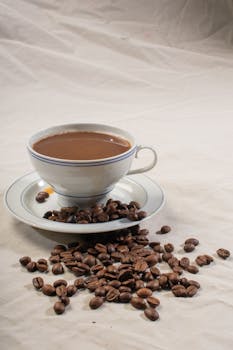
When it comes to choosing between espresso and coffee, it often depends on personal preferences and specific caffeine needs. Understanding the differences between espresso v coffee can help you make an informed decision for your daily brew. Both options offer unique flavors, preparation methods, and potential health benefits. This article will help clarify these differences so you can better enjoy your caffeine experience.
Espresso v Coffee: What’s the Difference?
At first glance, espresso and coffee may seem quite similar, both offering a rich, invigorating cup of caffeine. Yet, they differ in preparation, flavor intensity, and even nutritional content. Espresso is a concentrated coffee shot made by forcing hot water through finely-ground coffee beans. On the other hand, coffee is usually brewed by dripping hot water over medium-ground beans. This fundamental difference in brewing impacts everything from taste to caffeine content.
Flavor Profiles
The most obvious difference lies in the taste. Espresso tends to be bold and strong, with a thicker consistency and a more pronounced flavor. Because of its intensity, it’s often served in small amounts. Coffee, however, generally offers a milder taste and can be enjoyed in larger servings. Some people appreciate the robust taste of espresso, while others prefer the lighter, more subtle notes found in coffee.
Caffeine Content
An espresso shot contains more caffeine per ounce than a regular cup of coffee. However, a single shot of espresso, typically about one ounce, contains approximately 63 milligrams of caffeine, while an eight-ounce cup of coffee generally contains 95 milligrams of caffeine. This means that while espresso is more concentrated, a cup of coffee often delivers more total caffeine. For individuals monitoring their caffeine intake, understanding these differences can be crucial.
Health Benefits and Considerations
Both espresso and coffee offer potential health benefits, primarily due to their antioxidant content. Some studies suggest that these drinks can support heart health, enhance cognitive functions, and may even assist weight management efforts. It’s essential, however, to maintain moderation as excessive consumption can lead to insomnia or increased heart rate.
Read more about how dietary choices can affect your health journey.
Brewing Techniques
The brewing process is a significant factor that defines the taste and strength of your coffee or espresso. Let’s explore how these techniques contribute to the distinct characteristics of each beverage.
Espresso Machines
Espresso is brewed using an espresso machine that forces nearly boiling water through compact coffee grounds under high pressure. This method produces a concentrated shot characterized by a layer of crema on top, enhancing its flavor and texture. Home espresso machines are available in various models, offering the convenience of café-quality drinks in your kitchen.
Drip and Other Coffee Methods
Traditional coffee is usually made using drip machines, French press, or pour-over systems. Each method offers unique variables in brewing time, water temperature, and grind size, which can subtly influence the flavor. Increasingly popular, cold brew coffee offers a smooth, less acidic alternative, made by steeping coffee grounds in cold water for an extended period.
Choosing Between Espresso and Coffee
Ultimately, deciding between espresso and coffee often comes down to taste preference, lifestyle considerations, and desired caffeine intake. Espresso caters to those who prefer a quick, concentrated burst of flavor and energy, while coffee suits those who enjoy sipping multiple cups throughout the day. Consider your schedule, taste preferences, and health goals when choosing your go-to beverage.
Learn more about the history and culture of coffee.
Final Thoughts
Navigating the choice of espresso v coffee can be a fascinating journey through flavor, aroma, and methods. Whether you prefer a concentrated shot or a soothing cup to start your day, both beverages offer delightful experiences. Remember to enjoy them in moderation and find what best fits your lifestyle.
- Espresso and coffee differ primarily in preparation and flavor intensity.
- Espresso contains more caffeine per ounce than coffee.
- Both beverages offer antioxidants that may benefit health.
- Brewing methods significantly affect taste and strength.
- The choice depends on personal taste and lifestyle preferences.
What is the main difference between espresso and coffee?
The main difference is in preparation and concentration. Espresso is made by forcing hot water through finely-ground coffee at high pressure, resulting in a more concentrated and bold flavor, while coffee is brewed using various methods that yield a less intense flavor.
Is espresso stronger than coffee?
Espresso is more concentrated than coffee, which means it has a stronger flavor. However, a standard cup of coffee contains more caffeine than a single espresso shot due to the larger serving size.
Are there any health benefits to drinking coffee or espresso?
Yes, both coffee and espresso are rich in antioxidants that may support cardiovascular health and cognitive functions. However, the benefits can vary depending on individual health conditions and other dietary factors.
Can I use any coffee beans for making espresso?
While technically you can use any coffee beans, espresso typically requires a specific roasting level to deliver the signature bold flavor. Darker roasts are more commonly used for espresso.
Which coffee-brewing method is the healthiest?
The healthiest brewing method is subjective and depends on individual health needs and taste preferences. Moderation and personalization are key, with methods like drip or French press offering varied flavors and strengths.
Other Articles You May Find of Interest...
- Exploring the Unique Anatomy of Ducks: What Are Their Feet Called?
- Exploring the Benefits and Applications of CVVHD in Modern Healthcare
- Mastering the Art of Start Triage for Effective Health Management
- Is Your Health at Risk? Understanding the Wells Score for Venous Thromboembolism
- Revolutionize Your Health with the Latest Flutter Device Technology
- Unlocking Cognitive Health: The Importance of the SLUMS Test and Assessment
- Espresso or Coffee: Which Brew Is Right for You?



