






More Everyday Living Articles
Discover the Health Benefits of Oolong Tea and Its Unique Characteristics
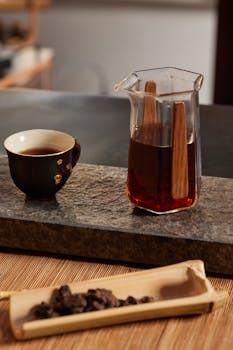
Oolong tea is a traditional Chinese tea that has captured the attention of tea enthusiasts and health-conscious individuals worldwide. But what is oolong tea, and what makes it stand out among other types of tea such as green, black, and white? In this article, we’ll explore the unique characteristics of oolong tea, its potential health benefits, and how you might incorporate it into your lifestyle.
What is Oolong Tea?
Oolong tea is a partially oxidized tea, which places it somewhere between green and black tea in terms of oxidation and flavor profile. The oxidation process is halted as soon as the desired flavor is achieved, which allows for a wide range of tastes, aromas, and colors within the oolong family. Crafted primarily in China and Taiwan, oolong tea is known for its distinct floral and fruity undertones that can range from sweet and honey-like to deep and roasted.
Health Benefits of Oolong Tea
Oolong tea is not just renowned for its unique taste but also for the health benefits it may offer. While more research is needed, here are some areas where oolong tea may support health:
- Metabolism and Weight Management: Some studies suggest that oolong tea may aid in metabolism and fat burning, potentially supporting weight management efforts. Its caffeine content coupled with antioxidants may work together to enhance energy expenditure.
- Cognitive Function: Oolong tea contains amino acids such as L-theanine, which can contribute to improved brain function, focus, and mental alertness.
- Heart Health: Regular consumption of oolong tea might help in reducing the risk of heart disease by improving cholesterol levels and maintaining healthy blood pressure.
For more on making healthy lifestyle choices that might aid overall well-being, consider visiting this guide on how lifestyle choices impact health.
How is Oolong Tea Made?
The production of oolong tea is an intricate art. The process involves several steps, including withering, rolling, shaking, and oxidizing the tea leaves. The level of oxidation is carefully controlled to create the desired flavor profile, which is a hallmark of oolong teas. This complexity in processing results in a diverse range of teas under the oolong umbrella, each with its own distinct characteristics.
Oolong Tea Varieties
Several varieties of oolong tea are popular, each offering a unique taste experience:
- Tieguanyin: Known as “Iron Goddess of Mercy,” this oolong is famous for its floral and sweet flavor.
- Da Hong Pao: Also known as “Big Red Robe,” this robust tea is known for its deep, roasted flavor.
- Dong Ding: A Taiwanese oolong with a rich, buttery taste.
- Mazao: Lightly oxidized, this tea offers a fresh, floral aroma.
How to Brew Oolong Tea
Brewing oolong tea properly can enhance its flavor and enjoyability. Here’s how:
- Water Temperature: Use water that’s around 185°F (85°C).
- Steeping Time: Allow the tea to steep for 3–5 minutes, depending on your taste preference.
- Tea Quantity: Use about 1 teaspoon of tea leaves per 6 ounces of water.
Oolong tea can often be steeped multiple times, with each infusion bringing out different flavors from the leaves.
Nutritional Content of Oolong Tea
While oolong tea is mostly calorie-free, it is rich in antioxidants and other beneficial compounds such as polyphenols, which are known for their health-promoting properties. These compounds can help fight free radicals in the body, contributing to overall health and well-being.
Potential Side Effects of Oolong Tea
While oolong tea is generally considered safe for most people, excessive consumption may lead to certain side effects due to its caffeine content, including insomnia or nervousness. It’s important to monitor your intake and consult a healthcare provider if you have any specific health considerations, especially if you are sensitive to caffeine or have underlying health conditions.
For generalized health information, you may want to refer to this page on health for a broader understanding.
Conclusion
What is oolong tea? As we’ve seen, it’s a versatile and complex beverage with a rich tradition and a range of possible health benefits. From its unique flavors to its potential health-supporting properties, oolong tea offers something special for tea drinkers of all kinds to explore and enjoy.
- Oolong tea is a traditional Chinese beverage, offering a unique blend of flavors.
- It may support metabolism, cognitive function, and heart health.
- Oolong tea is available in various types, each with unique characteristics.
- Proper brewing enhances oolong’s distinct flavors and aromas.
- Moderation is key, particularly due to its caffeine content.
FAQ
What is the difference between oolong and green tea?
The primary difference lies in the oxidation process. Oolong tea is partially oxidized, leading to a more complex flavor profile compared to the grassy or vegetal taste of green tea.
Can oolong tea help with weight loss?
Some studies suggest that oolong tea may help increase metabolism and fat burning, potentially supporting weight loss efforts. However, it should be part of a balanced diet and healthy lifestyle.
How much caffeine is in oolong tea?
Oolong tea contains caffeine, but the amount can vary depending on the type and brewing method. Generally, it has more caffeine than green tea but less than black tea.
Can I drink oolong tea every day?
Most people can safely consume oolong tea daily. However, due to its caffeine content, it may not be suitable for everyone, and moderation is recommended.
Is oolong tea better hot or iced?
Oolong tea can be enjoyed both hot and iced. The choice depends on personal preference, with each method retaining the tea’s distinct flavors and beneficial properties.
Other Articles You May Find of Interest...
- Cakut Awareness: Empowering Better Health Choices
- Unlocking the Secrets of Macintosh Miller for Better Health and Wellness
- Exploring the Impact of Druj on Your Health
- Discovering SCAD: Key Insights and Implications for Your Health
- Unlocking the Secrets of the Marshall Score for Better Health Insights
- What Is a Sentinel Pile and How Does It Impact Your Health?
- Unlocking the Secrets of the Pesi Score for Better Health Insights




