






More Emergency & Urgent Care Articles
Mastering the Ottawa Ankle Rules for Effective Injury Assessment
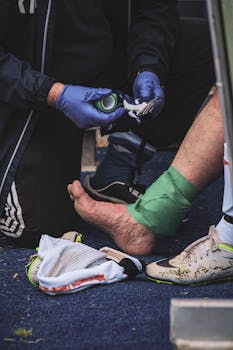
Imagine you’re at a weekend soccer game, and you accidentally twist your ankle while pivoting on the field. You’re faced with the decision of whether to tough it out or to seek medical attention. This is where understanding the ottawa ankle rules becomes invaluable. These guidelines are essential for determining whether an ankle x-ray is necessary after an injury, helping to avoid unnecessary radiation exposure and costs.
How the Ottawa Ankle Rules Simplify Decision-Making
The Ottawa Ankle Rules are a set of guidelines that healthcare providers use to decide when a patient with ankle pain should get an x-ray to check for a fracture. They assess specific areas of tenderness and the patient’s ability to bear weight immediately after the injury and in the emergency department. This approach streamlines the evaluation process, ensuring that patients receive the right care promptly.
By focusing on four diagnostic criteria—tenderness over certain bone areas and the ability to bear weight—clinicians can efficiently determine the necessity of imaging. This method not only reduces patient anxiety but also decreases wait times in busy emergency rooms.
When to Seek Care
It’s crucial to seek medical attention if you experience severe pain or cannot put any weight on your injured ankle after applying the Ottawa Ankle Rules. A healthcare provider, such as a primary care physician or an orthopedist, can apply these guidelines and decide if further imaging is necessary. In cases where swelling and bruising worsen over time, or if you’re unable to walk four steps, professional evaluation is necessary.
Everyday Impact of Following the Rules
In everyday situations, understanding these rules can make the difference between promptly returning to normal activities or risking further injury. For instance, an athlete may be able to avoid an unnecessary trip to the hospital and resume playing sooner, while a delay in treatment could lead to prolonged pain and complications.
Understanding Your Symptoms and Care
Whether or not your injury requires treatment beyond rest and possibly an x-ray, the Ottawa Ankle Rules guide you to the appropriate response, minimizing the chances of overlooking fractures. Some studies suggest that recognizing and acting on these symptoms promptly can improve recovery times for those with ankle injuries.
If your pain continues to be a concern or if mobility isn’t improving with self-care, it may be time to move beyond self-management. Your doctor can help determine which treatment plan is most appropriate for your condition and lifestyle.
Practical Questions About Ankle Injuries
Understanding the Ottawa Ankle Rules also involves knowing what to do while recovering. For some people, questions often arise about medication use and changing care plans. Usually, specific anti-inflammatory medications may be recommended to minimize swelling and pain, but always consult with a healthcare provider for a treatment matched to your needs.
If you’re considering switching from one medication to another, or adding supplements that may support healing, discussing this with your doctor is essential. They can provide guidance on potential interactions and how to adjust doses as needed.
Takeaways
- The Ottawa Ankle Rules are a critical tool for assessing the need for an ankle x-ray after injury.
- Understanding and applying the rules can reduce unnecessary healthcare visits and improve recovery.
- See a healthcare provider if you’re unable to bear weight or if swelling and pain worsen.
- Discuss any changes in medication or additional treatments with your clinician.
- Proper management of an ankle injury helps return you to normal activities sooner.
Common Questions
What is the primary purpose of the Ottawa Ankle Rules?
The primary purpose is to efficiently determine whether an ankle injured person needs an x-ray to check for fractures, thus avoiding unnecessary procedures.
When should I consider seeing a doctor for my ankle injury?
Consult a doctor if your pain persists despite home care, or you cannot walk on the injured ankle, as this could indicate a more serious condition.
What kind of doctor should evaluate an ankle injury?
An orthopedist or a sports medicine specialist often evaluates ankle injuries. They’re skilled in determining the severity and appropriate treatment.
How can everyday activities impact a sprained ankle?
Everyday activities can strain a sprained ankle if not properly cared for. Resting and following medical advice is crucial to ensure a quick recovery.
Are there lifestyle changes that can support ankle injury recovery?
Yes, incorporating gentle strengthening exercises and a supportive routine as detailed in this guide to increasing activity can significantly aid recovery.
For more in-depth information, visit the thorough resources offered by trusted health sources like Wikipedia’s health section.
Other Articles You May Find of Interest...
- Mastering the Ottawa Ankle Rules for Effective Injury Assessment
- Signs Your Finger Might Be Broken: Key Symptoms to Look For
- Unlocking Your Health Potential: The Importance of Understanding ICH Score
- Preventing Mechanical Falls: Essential Tips for Safety and Wellbeing
- What Does a Code Blue Mean in a Hospital?
- Recognizing and Responding to Pulseless Vtach Emergencies
- Clonidine Dosage Guidelines for Managing Emergency Hypertension




