






More Emergency & Urgent Care Articles
How to Identify and Treat a Water Moccasin Bite
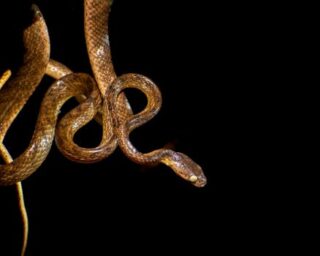
The prospect of encountering a venomous snake can be daunting, especially the water moccasin, also known as the cottonmouth. Understanding how to identify and treat a water moccasin bite is crucial for anyone living near habitats where these snakes might reside. In this article, we’ll guide you through the essential steps to handle such a bite, recognize the snake, and provide initial care.
Recognizing a Water Moccasin Bite
A water moccasin bite can cause significant symptoms due to the snake’s venom, which is hemotoxic and affects the blood and tissues. The first step in responding to a potential bite is identifying if it is indeed from a water moccasin. These snakes are typically dark, with a distinctive triangular head, and they are often found near water sources.
Immediate symptoms of a bite may include intense pain at the bite site, swelling, and discoloration. If you suspect a water moccasin bite, monitor for symptoms such as nausea, difficulty breathing, or changes in consciousness, and seek emergency medical care promptly.
Immediate Action Steps After a Bite
If bitten by a water moccasin, it is important to stay calm and act quickly. Here’s what you should do:
- Move away from the snake’s striking range to prevent additional bites.
- Keep the affected limb immobile and below heart level to slow venom spread.
- Remove any tight clothing or jewelry near the bite site to account for swelling.
- Avoid cutting the bite site or attempting to suck out the venom, as these actions can worsen the situation.
- Seek immediate medical attention. Call emergency services or have someone transport you to the nearest hospital.
While waiting for medical professionals, try to remember the snake’s features or take a photo from a safe distance, as this can assist in identifying the correct antivenom.
Treatment Options for Water Moccasin Bites
Once at a medical facility, the treatment focus will be on stabilizing the patient and administering antivenom, which helps neutralize the snake’s venom. Other interventions may include pain management, fluids to maintain hydration and blood pressure, and breathing support if required.
Understanding how lifestyle choices affect health can also play a role in recovery, as overall physical conditioning may impact your ability to fend off infections or recover from venom effects.
Preventing Water Moccasin Bites
Prevention is often the best approach when it comes to dealing with venomous snakes. If you live in an area where water moccasins are common, consider the following preventative measures:
- Stay on trails and avoid tall grass or underbrush near water bodies.
- Wear boots and long pants when hiking or working near water sources.
- Be cautious when stepping over logs or large rocks where snakes may hide.
- Educate yourself and others on the appearance and behaviors of native snakes.
- Consider consulting local wildlife officials for more area-specific advice on avoiding snakes.
Conclusion
Understanding how to recognize and respond to a water moccasin bite is essential for ensuring swift and effective treatment. With prompt action and by following preventative measures, you can significantly reduce risks associated with these potentially dangerous encounters. Remember to stay calm, seek help promptly, and follow medical advice to ensure the best possible outcomes.
For additional information on health and wellness topics, explore resources available through reliable sources like the Wikipedia Health page.
- Water moccasin bites can be serious and require immediate medical attention.
- Identifying the snake can help in administering the appropriate treatment.
- Symptoms may include pain, swelling, and systemic reactions.
- Prevention involves staying informed and cautious in snake-prone areas.
- Always seek professional advice for health concerns related to snake bites.
What do you do if you get bitten by a water moccasin?
Remain calm, immobilize the bitten limb, keep it lower than the heart, and seek medical assistance immediately. Avoid attempting to treat the bite yourself.
How quickly does a water moccasin’s venom take effect?
The venom of a water moccasin acts quickly, with symptoms such as pain and swelling appearing within minutes. Rapid medical treatment is crucial to mitigate its effects.
Are water moccasin bites fatal?
While rare, fatalities from water moccasin bites can occur, particularly if treatment is not sought. However, timely medical care usually prevents serious outcomes.
How can I avoid water moccasins?
Avoid their natural habitats, wear protective clothing, and be aware of your surroundings. Educating yourself on their behavior can help reduce encounters.
What is the difference between a water moccasin and other snakes?
Water moccasins are typically found near water and have distinctive features, like a triangular head and dark body. They are more aggressive than many other snakes.
Other Articles You May Find of Interest...
- Clonidine Dosage Guidelines for Managing Emergency Hypertension
- Effective Remedies for Treating a Scorpion Sting
- Recognizing Agonal Breathing: A Critical Sign of Medical Emergency
- Can You Receive a Bill Later from Urgent Care if You Don’t Have Insurance?
- Recognizing the Signs of Alcohol Poisoning: Are You at Risk?
- Affordable STD Testing Options at Urgent Care Without Insurance?
- Can Urgent Care Provide Stitches for Your Wounds?




