






More Emergency & Urgent Care Articles
Clonidine Dosage Guidelines for Managing Emergency Hypertension
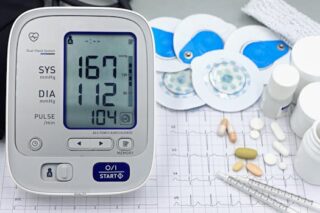
Managing emergency hypertension is a critical health issue that requires immediate attention. Clonidine, a medication commonly used in this scenario, serves as an effective option. It’s vital to understand the correct clonidine dosage for emergency hypertension to ensure safety and effectiveness. This article provides a comprehensive guide on dosing, benefits, and precautions.
Understanding Clonidine Dosage for Emergency Hypertension
Clonidine is often prescribed to manage high blood pressure spikes in emergency situations. Emergency hypertension is characterized by a sudden and severe increase in blood pressure, which can lead to organ damage if not addressed promptly. Clonidine works by decreasing sympathetic tone, leading to lower blood pressure.
Typical Clonidine Dosage Recommendations
The standard oral dosage of clonidine for adults in the treatment of emergency hypertension typically starts with 0.1 to 0.2 mg taken every hour until blood pressure is controlled. It’s crucial to follow healthcare provider guidelines closely.
For those who cannot take oral medication, a transdermal patch may be an option. However, this method requires starting 2–3 days in advance due to its slower onset of action. Always consult a healthcare provider for personalized advice.
Benefits and Mechanism of Action
Clonidine offers an effective way to reduce extremely high blood pressure quickly. By stimulating central alpha-2 adrenergic receptors, it inhibits sympathetic nervous system activity, leading to reduced heart rate and vascular resistance. This process helps lower blood pressure effectively.
Besides managing hypertension emergencies, clonidine is also studied for its role in treating other conditions such as ADHD, anxiety disorders, and certain pain conditions. However, it’s essential to use it strictly under medical supervision.
Potential Side Effects and Precautions
While clonidine is effective, it can cause side effects. Common side effects include dry mouth, fatigue, and dizziness. In some cases, patients might experience more severe reactions like severe hypotension or bradycardia. Monitoring by a healthcare professional is crucial.
Patients with a history of cardiovascular problems should discuss risks with their doctor. It’s also important to consider drug interactions, especially with alcohol, other central nervous system depressants, and blood pressure medications.
For those interested in broader health improvement strategies, managing weight is essential for controlling hypertension. Learn more with our nutrition and exercise guide.
Clinical Recommendations and Monitoring
Clonidine is not typically recommended as a first-line treatment but serves as an adjunct during hypertensive emergencies. Regular monitoring of blood pressure and heart rate is essential while on clonidine. Dosage adjustments may be necessary based on individual response and tolerance.
Healthcare providers might recommend additional medications to reinforce clonidine’s effects. These decisions should be tailored to each patient’s specific health needs and conditions.
Long-Term Management of Hypertension
While addressing emergency hypertension is critical, ongoing management involves lifestyle modifications and medications. Patients should focus on a diet low in sodium, regular physical activity, and stress reduction. Such strategies might prevent future hypertensive crises and reduce long-term health risks.
Medical follow-ups are necessary to adjust treatments and ensure continuous health improvement. For more about hypertension management, consult healthcare resources like the Health section on Wikipedia for general guidance.
In conclusion, understanding the correct clonidine dosage for emergency hypertension is fundamental. Working closely with healthcare professionals, patients can manage their condition safely and effectively.
- Clonidine is used to manage sudden spikes in blood pressure.
- Dosages must be strictly followed as prescribed by healthcare providers.
- Possible side effects include dry mouth and dizziness.
- Monitoring blood pressure during treatment is essential.
- Lifestyle changes support long-term hypertension management.
What is the typical starting dosage for clonidine in emergency hypertension?
The typical starting dosage is 0.1 to 0.2 mg taken orally every hour until blood pressure is controlled, under medical guidance.
Can clonidine be used in children for hypertension emergencies?
Clonidine can be used in children under strict medical supervision, but dosage parameters differ from adults. Consult a pediatrician.
Are there any long-term risks associated with clonidine use?
Long-term clonidine use should be evaluated by a healthcare provider due to potential side effects and interaction with other medications.
How can lifestyle changes support clonidine treatment?
Incorporating a balanced diet, regular exercise, and stress management can enhance medication effectiveness and improve overall health.
What should I do if I miss a dose of clonidine?
If a dose is missed, take it as soon as you remember. If it’s near the time of the next dose, skip the missed dose. Never double up to catch up. Consult a healthcare provider for more guidance.
Other Articles You May Find of Interest...
- Clonidine Dosage Guidelines for Managing Emergency Hypertension
- Effective Remedies for Treating a Scorpion Sting
- Recognizing Agonal Breathing: A Critical Sign of Medical Emergency
- Can You Receive a Bill Later from Urgent Care if You Don’t Have Insurance?
- Recognizing the Signs of Alcohol Poisoning: Are You at Risk?
- Affordable STD Testing Options at Urgent Care Without Insurance?
- Can Urgent Care Provide Stitches for Your Wounds?




