






More Ear, Nose & Throat Articles
Relieve Your Discomfort with Natural Solutions for Itchy Ears
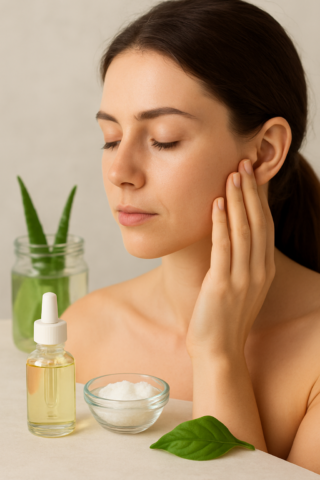
Feeling a persistent itch in your ears can be incredibly irritating. You might find yourself constantly trying to alleviate the irritation, but to no avail. Before you head to the store for over-the-counter treatments, consider a natural home remedy for itchy ears. Many people find relief using simple ingredients they already have at home, and these gentle methods can often do the trick without the side effects that sometimes accompany medications.
Home Remedy Itchy Ears
When considering a home remedy for itchy ears, there are several natural solutions worth exploring. Here are a few that individuals frequently try to calm their aggravated ears.
Olive Oil Drops
One of the most well-known remedies is olive oil. A couple of warm drops can help soften any wax or debris, easing the itch. Olive oil is also soothing and can create a protective layer inside the ear canal.
Hydrogen Peroxide
Diluted hydrogen peroxide can be effective at dislodging buildups. It acts to break down earwax, which can be a common cause of itchiness if it accumulates. Always ensure it’s properly diluted, and consider consulting a healthcare professional for guidance on using it safely.
Glycerin or Baby Oil
Both glycerin and baby oil can provide moisture, alleviating the dryness that might be causing irritation. Place a few drops into the ear and let it sit for a couple of minutes. This can help to not only soothe the itch but also keep the ear canal moisturized.
Warm Compress
A simple warm compress can ease the discomfort of itchy ears. Applying gentle warmth to the outside of the ear can alleviate discomfort and promote blood circulation, potentially reducing itching from minor infections or irritations.
When to Seek Care
While home remedies can provide relief, there are situations where seeing a healthcare provider is necessary. If you experience persistent itching that doesn’t improve with home treatment, or if you notice discharge, hearing loss, or pain, it’s time to consult a professional. An otolaryngologist, or ear, nose, and throat (ENT) doctor, specializes in these conditions and can offer thorough evaluations and targeted treatments.
Understanding Common Triggers
Itchy ears can be caused by many factors, including allergies, dry skin, or earwax buildup. Identifying the underlying cause can help prevent the itch from coming back. Allergies, for instance, might require managing exposure to triggers with the help of an allergist. If dry skin is the issue, moisturizing drops can be preventive as well as soothing.
Medication Considerations
If you’re considering medication for itchy ears, it’s important to understand that you should generally not mix treatments without professional guidance. Over-the-counter antihistamines or prescribed ear drops might help alleviate symptoms, but always discuss with your doctor before making changes. Side effects like dizziness or irritation can vary, and stopping medication abruptly might not always be advisable.
Linking Holistic Approaches
For those interested in a broader perspective on treatments, an evidence-based look at holistic medicine versus traditional medicine may provide insights. This approach considers body systems as interconnected, and ear care might involve looking at overall health and well-being.
Common Questions
What causes itchy ears?
Itchy ears can be due to a number of reasons such as dry skin, ear infections, allergies, or excessive earwax buildup. Some environmental factors, like exposure to irritants or high humidity, might also contribute to the condition.
Can I prevent itchy ears?
Yes, maintaining ear hygiene and avoiding irritants or excessive cleaning can prevent itchy ears. Regularly moisturizing your ear canals with safe oils and managing allergies can also help reduce occurrences.
How do I know when to see a doctor?
If your symptoms are persistent or if you have additional symptoms like pain, hearing loss, or unusual discharge, it’s best to see a healthcare professional. These may indicate an underlying condition that requires medical evaluation.
Which doctor treats itchy ears?
An otolaryngologist (ENT) is a specialist who treats conditions related to the ears, nose, and throat. They can effectively diagnose and manage persistent ear issues.
Are home remedies effective for everyone?
Home remedies may offer relief for many individuals, but effectiveness can vary. If a home remedy for itchy ears doesn’t help or seems to make symptoms worse, consulting a healthcare provider is recommended.
- Itchy ears can often be alleviated with simple home remedies.
- Warm olive oil, hydrogen peroxide, or baby oil can be soothing.
- Persistent or severe symptoms should be evaluated by an ENT specialist.
- Understanding common triggers helps in prevention.
- Explore broader healthcare approaches for comprehensive ear health.
If you want to understand more about ear health and other health topics, visit the comprehensive resource on MedlinePlus Health Topics for additional information.
Whether you’re dealing with occasional irritation or persistent symptoms, considering the appropriate home remedy for itchy ears could be a beneficial first step.
Other Articles You May Find of Interest...
- Why Your Singing Voice Sounds Raspy
- Frequent Ear Infections? What You Should Know About Recurring Problems
- What Happens if a Sinus Infection Goes Untreated?
- When Persistent Sinus Symptoms Need an ENT Evaluation
- How Long Does Alcohol-Induced Vertigo Last?
- Can an Eardrum Rupture With Ear Tubes in Place?
- The Larynx, Also Known as the Voice Box





