






More Ear, Nose & Throat Articles
Essential Insights into Trach Collars for Enhanced Respiratory Care
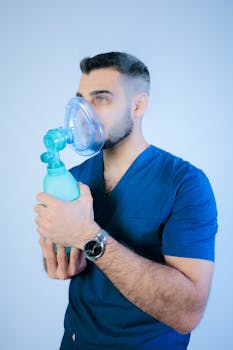
Trach collars, also known as tracheostomy collars, play a pivotal role in the management of individuals requiring respiratory support through a tracheostomy. These devices are crucial for ensuring comfort and effective ventilation, making them indispensable in both hospital settings and home care environments. In this article, we delve into the essential insights about trach collars that contribute to enhanced respiratory care.
Understanding the Trach Collar
A trach collar is a medical device used to deliver humidified oxygen or air to patients with a tracheostomy. It fits snugly around the neck and is connected to an oxygen source or humidifier, ensuring that the patient receives moist air, which is vital for maintaining the health of the tracheal and bronchial tissues. Humidification prevents crusting and blockages in the tracheostomy tube, thus reducing the risk of complications.
Benefits of Using a Tracheostomy Collar
One of the primary benefits of using a tracheostomy collar is the provision of humidified air, which helps in preventing respiratory infections and maintaining clear airways. The trach collar also allows for mobility, giving patients the ability to move around while still receiving necessary respiratory support. This mobility is especially important for improving the quality of life and facilitating rehabilitation.
In addition, trach collars can be adjusted to accommodate changes in a patient’s condition or environmental factors, ensuring personalized care. For instance, during sleep, a patient may require adjustments to ensure comfort and uninterrupted airflow.
Components of a Trach Collar System
A trach collar system typically includes several components: the collar itself, a humidifier, tubing, and a nebulizer for medication delivery if necessary. The collar is usually made of soft, breathable material to prevent skin irritation. The humidifier ensures that the air reaching the trachea is adequately moist, which is crucial in maintaining mucosal integrity and function.
The tubing connects the collar to the humidifier and oxygen source, ensuring a continuous flow of air. Some advanced systems may also include a nebulizer that administers medication, facilitating easier breathing for patients with chronic respiratory conditions.
Choosing the Right Trach Collar
Selecting the appropriate trach collar depends on several factors, including the patient’s specific medical needs, the environment in which it will be used (hospital or home), and the availability of additional respiratory equipment. It’s essential to consult with healthcare professionals to ensure the best fit and function for each individual case.
Factors such as the patient’s age, activity level, and any concurrent medical conditions should be considered when choosing a trach collar. Proper sizing and material selection can greatly impact comfort and efficacy, making professional guidance critical in this decision-making process.
Effective Management with a Trach Collar
Managing a tracheostomy with a trach collar effectively requires close monitoring and routine care. Regular cleaning of the collar and tubing is vital to prevent infections. Additionally, patients and caregivers must be educated on recognizing signs of complications, such as increased coughing, difficulty breathing, or changes in the mucus produced.
Healthcare providers often recommend a regular schedule for changing and replacing parts of the trach collar system to maintain hygiene and functionality. Following these recommendations supports optimal respiratory health and reduces the likelihood of complications.
Impact on Lifestyle and Mobility
The use of a tracheostomy collar significantly impacts a patient’s lifestyle and mobility. While the support it provides is critical for respiratory health, patients must learn to balance the need for mobility with the requirement for continuous oxygen or humidity supply. For many, transitioning to wearing a trach collar represents a significant change, necessitating support and education.
Adapting to life with a tracheostomy collar involves learning new routines and adjusting daily activities. Some lifestyle adjustments may also be needed, as chronic respiratory needs can be influenced by factors such as diet and exercise. Understanding how lifestyle choices impact health is an integral part of comprehensive care for these patients.
Future Directions in Trach Collar Development
Advancements in materials science and medical technology continue to improve the design and functionality of trach collars. Future developments aim to enhance patient comfort, increase the effectiveness of oxygen and humidity delivery, and integrate smart technologies for monitoring respiratory parameters in real-time. These innovations promise to elevate the standard of care and improve outcomes for tracheostomy patients.
In conclusion, the trach collar is an essential device for patients requiring tracheostomy care. It provides critical benefits such as humidified air, mobility, and the potential for improved quality of life. For further information on how medical devices such as trach collars contribute to health, visit this page.
- Trach collars are crucial for providing humidified air to tracheostomy patients.
- They offer mobility, enhancing the quality of life for patients.
- Proper care and maintenance of trach collars are essential to prevent complications.
- Consult with healthcare professionals for personalized trach collar selection.
- Advancements in trach collar technology may improve patient care and outcomes.
What is a trach collar used for?
A trach collar is used to provide humidified air or oxygen to individuals with a tracheostomy, helping to maintain healthy respiratory tissues and facilitate breathing.
How does a tracheostomy collar improve mobility?
A tracheostomy collar allows patients to move freely while receiving necessary respiratory support, thus improving their quality of life and aiding rehabilitation.
What are the components of a trach collar system?
A typical trach collar system includes the collar, humidifier, tubing, and sometimes a nebulizer for medication delivery, all working together to support the patient’s respiratory needs.
How should a trach collar be maintained?
Routine cleaning, regular replacement of parts, and monitoring for signs of infection or complications are crucial for maintaining a trach collar system.
Can lifestyle changes benefit individuals using trach collars?
Yes, lifestyle changes such as proper nutrition and appropriate exercise can positively impact overall health and respiratory function in individuals using trach collars.
Other Articles You May Find of Interest...
- Are You Suffering From Saliva Gland Stones? Discover Effective Relief Options
- Is Your Balance at Risk? Discover the Head Impulse Test
- Exploring the Role of Submental Lymph Nodes in Your Health
- Essential Insights into Trach Collars for Enhanced Respiratory Care
- Mucous Retention Cysts: Causes, Symptoms, and Treatment Options
- Effective Relief for Ear Infections: Discover Cortisporin Otic and Ear Drops
- Is Your Earache and Throat Hurts Signaling a Deeper Health Issue?




