






Your Health Magazine
4201 Northview Drive
Suite #102
Bowie, MD 20716
301-805-6805
More Dental Health Articles
Why Prioritizing Cosmetic Dental Care Matters for Your Smile
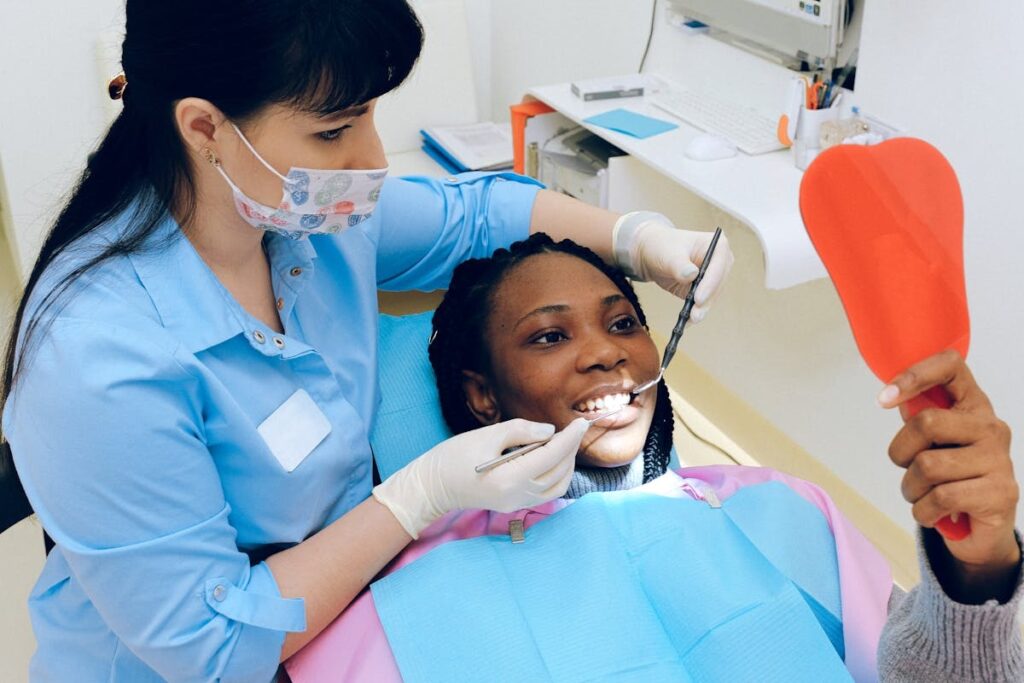
When Hollywood’s elite invest millions in their smiles, they’re not just chasing vanity—they’re making a calculated business decision. A study by the American Academy of Cosmetic Dentistry found that 99.7% of adults believe a smile is an important social asset, with 74% believing an unattractive smile can hurt career prospects. Yet despite these compelling statistics, many people still view cosmetic dental care as purely aesthetic indulgence rather than essential healthcare.
The landscape of cosmetic dentistry has fundamentally shifted in recent years. Advanced materials, digital technology, and evidence-based approaches have transformed what was once considered “optional” into interventions that often provide significant functional benefits alongside aesthetic improvements. The integration of cosmetic and restorative dentistry means that treatments once labeled as “cosmetic” now frequently address underlying oral health issues that could lead to serious complications if left untreated. Accessing professional cosmetic dental services can help ensure both the appearance and health of your smile are carefully managed.
For millions of adults dealing with chipped teeth, misalignment, or discoloration, the stakes extend far beyond appearance. Poor dental aesthetics can impact everything from professional opportunities to mental health, while many cosmetic treatments simultaneously improve bite function, speech clarity, and long-term oral health outcomes. Understanding the comprehensive value of cosmetic dental care—and when it transitions from preference to necessity—has become crucial for making informed healthcare decisions.
Here’s what the research reveals about why prioritizing cosmetic dental care matters for both your immediate confidence and long-term oral health.
What Is Cosmetic Dental Care and Why Is It Important?
Cosmetic dental care encompasses procedures designed to improve the appearance of teeth, gums, and bite while often providing functional benefits that support overall oral health. Unlike purely restorative dentistry, which focuses primarily on treating disease or damage, cosmetic dentistry aims to enhance both form and function through treatments like veneers, whitening, bonding, and orthodontics.
The distinction between cosmetic and restorative dentistry has blurred significantly as materials and techniques have advanced. A dental crown placed to restore a damaged tooth serves a restorative function, but modern crowns also restore natural appearance and bite alignment. Similarly, orthodontic treatment corrects misalignment for aesthetic reasons while simultaneously addressing functional issues that could lead to jaw problems, uneven wear, and difficulty cleaning teeth effectively.
What makes cosmetic dental care increasingly important is its role in preventive healthcare. Research published in the *Journal of Periodontology* demonstrates that patients with improved dental aesthetics are more likely to maintain consistent oral hygiene routines, leading to better long-term outcomes. When people feel confident about their smiles, they’re more inclined to smile more often, speak clearly, and seek regular dental care—behaviors that directly impact oral health maintenance.
The psychological component cannot be understated. The American Dental Association reports that patients who undergo cosmetic dental procedures show measurable improvements in self-esteem, social confidence, and overall quality of life. These psychological benefits translate into tangible health advantages: reduced stress, improved social interactions, and increased likelihood of maintaining oral health routines.
Understanding cosmetic dental care as an investment in both appearance and function helps explain why it’s become a priority for diverse patient populations, from young professionals building careers to older adults maintaining active lifestyles.
How Cosmetic Dentistry Enhances Oral Health and Appearance
The mechanism by which cosmetic dentistry improves oral health extends far beyond surface-level changes. When cosmetic procedures correct structural issues—like closing gaps, aligning teeth, or restoring proper bite relationships—they create an environment where oral hygiene becomes more effective and sustainable.
Consider how misaligned teeth create cleaning challenges. Crowded or rotated teeth harbor bacteria in areas where toothbrushes and floss cannot reach effectively. Over time, these hard-to-clean spaces become breeding grounds for the bacteria that cause decay and gum disease. Orthodontic treatment or cosmetic contouring that improves alignment doesn’t just create a more attractive smile—it eliminates bacterial hideouts and makes daily cleaning significantly more effective.
The bite relationship plays an equally crucial role. When teeth don’t meet properly during chewing, some teeth bear excessive force while others remain underutilized. This imbalance leads to premature wear, increased fracture risk, and potential temporomandibular joint (TMJ) dysfunction. Cosmetic procedures that restore proper occlusion—whether through veneers, crowns, or orthodontics—redistribute forces evenly across the dental arch, reducing stress on individual teeth and supporting long-term oral health.
Common Cosmetic Dental Procedures and Their Benefits
Porcelain veneers represent one of the most versatile cosmetic treatments, addressing multiple concerns simultaneously. Beyond correcting discoloration, chips, or gaps, veneers can restore proper tooth length and shape, improving both function and appearance. Patients with worn teeth often experience improved speech clarity and chewing efficiency after veneer placement, as the restored tooth dimensions support proper tongue positioning and bite function.
Professional teeth whitening might seem purely aesthetic, but the process often motivates patients to eliminate staining habits like smoking or excessive coffee consumption—lifestyle changes that benefit overall health. Additionally, the professional monitoring involved in cosmetic whitening procedures frequently identifies early signs of decay or gum disease that might otherwise go unnoticed.
Dental bonding and contouring procedures can eliminate sharp edges that irritate soft tissues while creating more harmonious tooth shapes. This reduces the risk of cheek or tongue injuries and makes oral hygiene more comfortable and effective.
Functional Benefits Beyond Appearance
Speech improvement represents one of the most significant functional benefits of cosmetic dentistry. Teeth play a crucial role in sound production, particularly for consonants like “f,” “v,” “s,” and “th.” When front teeth are properly positioned and shaped, speech becomes clearer and more confident. Patients who undergo cosmetic treatment for spacing issues or worn teeth frequently report improved communication abilities that enhance both personal and professional interactions.
Structural support provided by cosmetic restorations can prevent progressive dental problems. When a chipped or worn tooth is restored with bonding or a veneer, the restoration protects the remaining tooth structure from further damage. This preventive approach often avoids the need for more extensive treatments like crowns or root canals later.
The prevention of future dental damage through cosmetic intervention represents a paradigm shift in dental care philosophy. Rather than waiting for problems to worsen, cosmetic dentistry allows for early intervention that preserves natural tooth structure while improving appearance and function simultaneously.
Different Types and Effectiveness of Cosmetic Dental Treatments
The effectiveness of cosmetic dental treatments varies significantly based on the specific procedure, materials used, and individual patient factors. Research published in the *International Journal of Dentistry* shows that porcelain veneers maintain their appearance and function for an average of 15-20 years when properly maintained, while composite bonding typically requires replacement every 5-7 years.
Understanding these distinctions helps patients make informed decisions about treatment approaches. Porcelain materials offer superior stain resistance and durability compared to composite alternatives, but they also require more extensive tooth preparation and higher initial investment. Composite bonding, while less durable, can be completed in a single visit and repaired more easily if damage occurs.
The choice between different cosmetic materials often depends on the specific problem being addressed. For minor chips or gaps, composite bonding might provide an ideal balance of aesthetics, conservation of tooth structure, and cost-effectiveness. For more comprehensive smile makeovers involving multiple teeth with significant discoloration or structural issues, porcelain veneers or crowns might offer better long-term value despite higher upfront costs.
Orthodontic treatment, whether through traditional braces or clear aligners, addresses alignment issues at their source rather than masking them with restorations. While treatment time is longer—typically 12-24 months—the results preserve natural tooth structure while providing both aesthetic and functional improvements that can last a lifetime with proper retention.
The key distinction between cosmetic and purely restorative dentistry lies in the treatment goals and approach. Restorative dentistry focuses primarily on treating existing disease or damage, often with function taking priority over appearance. Cosmetic dentistry aims to optimize both function and appearance, frequently addressing issues before they become serious problems requiring more extensive intervention.
Research and Psychological Impact of Cosmetic Dental Care
Extensive research confirms that cosmetic dental care provides measurable benefits beyond improved appearance. A comprehensive study published in the *Journal of Prosthetic Dentistry* followed patients for five years after cosmetic dental treatment and found significant improvements in self-reported quality of life measures, including social confidence, professional satisfaction, and willingness to engage in social activities.
The psychological impact of dental appearance on overall well-being has been documented across multiple studies. Researchers at the University of Michigan found that adults with dental imperfections were 25% less likely to smile in social situations and reported higher levels of social anxiety compared to those satisfied with their dental appearance. More significantly, these psychological effects translated into measurable impacts on professional and personal relationships.
Dr. Larry Rosenthal, a leading cosmetic dentist and researcher, notes that patients who undergo smile makeovers often report unexpected benefits beyond improved appearance. “We consistently see patients become more outgoing, more willing to speak up in meetings, and more confident in social situations. The change goes far beyond the dental work itself—it affects how they interact with the world.”
Long-term oral health outcomes also show improvement following cosmetic dental treatment. A longitudinal study tracking patients for ten years after comprehensive cosmetic treatment found that these patients maintained better oral hygiene, had lower rates of new decay, and required fewer emergency dental visits compared to control groups. The investment in their smile appearance correlated with increased investment in oral health maintenance.
The evidence suggests that the psychological benefits of cosmetic dental care create a positive feedback loop: improved appearance leads to increased confidence, which leads to better self-care behaviors, which supports long-term oral health outcomes. This interconnection between aesthetics, psychology, and health outcomes validates the importance of considering cosmetic dental care as part of comprehensive healthcare rather than optional enhancement.
Common Misconceptions and Best Practices for Maintaining Results
One of the most persistent myths about cosmetic dentistry is that it’s purely superficial and doesn’t contribute to oral health. This misconception stems from outdated perceptions of cosmetic dentistry as primarily focused on appearance without functional consideration. Modern cosmetic dentistry integrates aesthetic and functional goals, often addressing underlying structural issues that could lead to serious problems if left untreated.
Another common misconception is that cosmetic dental work requires frequent replacement or extensive maintenance. While some procedures do require periodic updates—particularly teeth whitening—most cosmetic treatments provide long-lasting results when properly cared for. The key lies in understanding that cosmetic dental work requires the same oral hygiene commitment as natural teeth, along with some procedure-specific considerations.
Maintaining cosmetic dental results requires a strategic approach to oral hygiene that protects both natural teeth and restorations. Professional cleanings every six months become even more critical, as dental hygienists can identify early signs of wear or damage to restorations before they become significant problems. Regular monitoring allows for minor adjustments or touch-ups that extend the life of cosmetic work significantly.
Daily care practices should emphasize gentle but thorough cleaning techniques. Patients with veneers or bonding should avoid using teeth as tools—no opening packages, biting ice, or chewing on hard objects. A quality electric toothbrush with soft bristles provides effective cleaning without excessive pressure that could damage restoration margins.
Dietary considerations play a crucial role in maintaining cosmetic dental results. While modern materials resist staining better than earlier versions, limiting exposure to highly pigmented foods and beverages—coffee, red wine, berries—helps preserve aesthetic results. When consuming staining substances, using a straw and rinsing with water afterward minimizes contact with teeth.
For patients who grind their teeth, wearing a custom nightguard protects both natural teeth and cosmetic restorations from excessive force during sleep. This simple measure can extend the life of cosmetic work by years while protecting the significant investment patients have made in their smiles.
Special Considerations and Future Trends in Cosmetic Dentistry
Cosmetic dental care for teenagers requires careful timing and consideration of ongoing dental development. While some treatments can be performed safely during adolescence, others are best delayed until facial growth is complete. Clear aligner therapy has become increasingly popular for teenage patients because it addresses alignment issues during optimal treatment timing while maintaining the aesthetic preferences that matter greatly to this age group.
Pregnancy presents unique considerations for cosmetic dental care. While routine cleanings and basic restorative work remain safe throughout pregnancy, elective cosmetic procedures are typically delayed until after delivery and breastfeeding conclude. However, maintaining existing cosmetic work through proper hygiene and professional cleanings remains important for both maternal and fetal health.
Athletes face specific challenges in maintaining cosmetic dental work due to increased risk of trauma. Custom-fitted mouthguards become essential protective equipment, and materials selection may favor more impact-resistant options even if they require more frequent maintenance.
Smokers considering cosmetic dental treatment face additional challenges, as tobacco use significantly impacts healing and long-term results. Many cosmetic dentists require smoking cessation before major procedures, not just for aesthetic reasons but because smoking dramatically increases the risk of complications and treatment failure.
Looking toward the future, digital technology is revolutionizing cosmetic dentistry through improved treatment planning, more precise results, and reduced treatment time. 3D imaging allows patients to visualize potential results before treatment begins, while CAD/CAM technology enables same-day fabrication of certain restorations.
Biomimetic materials that more closely replicate the optical and mechanical properties of natural teeth continue to advance. These materials promise longer-lasting, more natural-looking results while requiring less aggressive tooth preparation.
The integration of cosmetic dentistry with overall facial aesthetics is expanding, with dental professionals working more closely with plastic surgeons, dermatologists, and other specialists to provide comprehensive aesthetic care. This collaborative approach recognizes that dental appearance exists within the context of overall facial harmony.
Ethical considerations in cosmetic dentistry continue to evolve as social media influences patient expectations and desires. Responsible practitioners focus on creating natural, healthy-looking results that enhance rather than dramatically alter a patient’s appearance, emphasizing long-term oral health alongside aesthetic improvement.
As we move through 2024, the cosmetic dentistry industry is increasingly focused on evidence-based approaches that demonstrate measurable benefits for both appearance and function. This evolution validates the importance of cosmetic dental care as a legitimate healthcare investment rather than mere vanity enhancement, supporting better oral health outcomes through improved patient motivation and comprehensive treatment approaches.
Other Articles You May Find of Interest...
- Exploring the Causes and Treatment Options for Periapical Cysts
- Natural Remedies for Relieving Mouth Sores with Baking Soda
- Understanding Periapical Abscesses: Diagnosis and Treatment Options Explained
- Transforming Lives with Palatoplasty: A Path to Improved Health and Well-Being
- What Dentists Really Evaluate Before Recommending Dental Implants
- Are Dental Implants Better Than Traditional Dentures for Missing Teeth?
- Effective Solutions for Mucocele Treatment and Supportive Oral Therapy




