






Your Health Magazine
4201 Northview Drive
Suite #102
Bowie, MD 20716
301-805-6805
More Dental Health Articles
When to Consider a Dental Bridge or Crown for Tooth Restoration
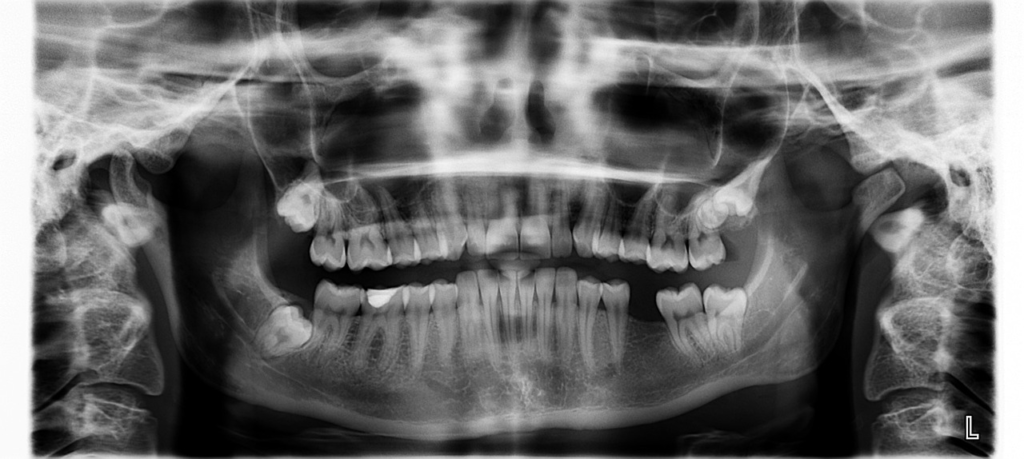
According to the American Dental Association’s 2024 practice survey, over 15 million dental crowns and 2.3 million bridge units are placed annually in the United States — yet many patients still struggle to understand when each restoration makes sense for their situation. As dental materials continue advancing and treatment options expand, the decision between a bridge and crown has become more nuanced than the simple “fill a gap versus cap a tooth” framework many people remember from decades past.
The stakes matter more than most realize. Choose the wrong restoration approach, and you might face premature failure, additional procedures, or compromised function that affects daily life. Modern dentistry offers sophisticated solutions, but the key lies in matching the right treatment to your specific dental anatomy, lifestyle demands, and long-term oral health goals.
This decision typically unfolds during some of the most vulnerable moments in dental care — when you’re dealing with significant tooth damage, recent extractions, or the realization that a tooth you’ve been “watching” has finally crossed the line into needing major intervention. Understanding what drives these treatment decisions can transform an overwhelming situation into a manageable path forward.
What Factors Influence Choosing a Bridge or Crown
The choice between a bridge and crown hinges on one fundamental question: are you restoring an existing tooth or replacing a missing one? But that’s just the starting point. The real decision-making process involves evaluating the condition of surrounding teeth, your bite forces, aesthetic priorities, and how much healthy tooth structure remains.
Tooth structure drives the crown decision. When a tooth has extensive decay, a large old filling that’s failing, or has undergone root canal therapy, a crown becomes necessary when the remaining tooth structure can’t reliably support a regular filling. Dentists use the “50% rule” as a general guideline — when more than half the tooth structure is compromised, a crown typically provides better long-term stability than trying to rebuild with composite materials.
Missing teeth create the bridge conversation. If you’re missing one or two adjacent teeth and the neighboring teeth are healthy enough to serve as anchors, a traditional bridge offers a fixed solution that doesn’t require surgery. However, the health of those anchor teeth matters enormously. Using perfectly healthy teeth as bridge supports means removing significant enamel to accommodate the crowns that will hold the bridge — essentially sacrificing healthy tooth structure for the sake of replacing the missing tooth.
Your bite pattern influences material choices and design. Heavy grinders need different approaches than people with gentle bite forces. Back teeth that bear the brunt of chewing forces require more robust materials and designs than front teeth that primarily handle cutting and tearing. This affects both the type of restoration recommended and the specific materials selected.
The location in your mouth also shapes the decision. Front teeth demand optimal aesthetics, making all-ceramic crowns or bridges the preferred choice despite being more brittle than metal-backed options. Back teeth prioritize strength and durability, opening up material choices that might not look natural enough for visible areas.
Which Types and Materials Are Used for Bridges and Crowns
Modern dentistry offers multiple bridge and crown options, each designed for specific clinical situations. Understanding these variations helps explain why your treatment plan might differ significantly from someone else’s, even with seemingly similar problems.
Common Types of Dental Bridges and Their Uses
Traditional bridges remain the most common approach for replacing one or two missing teeth. These involve crowning the teeth on either side of the gap and suspending a replacement tooth (called a pontic) between them. The entire structure functions as a single unit, distributing bite forces across multiple teeth. This approach works well when the adjacent teeth already need crowns or have large fillings that compromise their structure.
Cantilever bridges attach to teeth on only one side of the gap, making them suitable for areas where only one adjacent tooth is available or healthy enough to serve as an anchor. These see limited use in modern practice because the uneven force distribution can stress the supporting tooth, but they remain valuable in specific situations, particularly for front teeth where bite forces are lighter.
Maryland bonded bridges use a metal or ceramic framework bonded to the back surfaces of adjacent teeth, avoiding the need to crown healthy teeth. While conservative, they’re primarily limited to front teeth and areas with lighter bite forces. The bonding occasionally fails, requiring rebonding procedures, but many patients prefer this trade-off to avoid crowning healthy teeth.
Implant-supported bridges represent the premium solution when multiple adjacent teeth are missing. Instead of using natural teeth as anchors, titanium implants placed in the jawbone support the bridge. This approach preserves healthy tooth structure and provides the most natural function, though it requires surgery and longer treatment timelines.
Materials Used in Crowns and Their Advantages
Porcelain-fused-to-metal crowns dominated dentistry for decades and remain workhorses for back teeth. The metal substructure provides exceptional strength, while the porcelain overlay delivers acceptable aesthetics. However, the porcelain can chip or wear over time, and the metal margins sometimes show as dark lines near the gum line as gums naturally recede with age.
All-ceramic crowns have revolutionized aesthetic dentistry, particularly for front teeth. Modern ceramic materials like lithium disilicate and zirconia offer strength approaching that of metal while maintaining translucency that mimics natural tooth enamel. These materials also eliminate concerns about metal allergies and don’t conduct temperature like metal crowns can.
Zirconia crowns deserve special mention for their unique combination of strength and aesthetics. Initially criticized for being too opaque, newer zirconia formulations offer improved translucency while maintaining superior fracture resistance. They’re particularly valuable for back teeth in heavy grinders and for patients who want metal-free restorations without compromising durability.
Gold alloy crowns remain the gold standard — quite literally — for longevity and biocompatibility. While aesthetically limiting to back teeth, gold crowns can last decades with proper care and cause minimal wear to opposing teeth. Some patients specifically request gold for its proven track record, despite the higher material costs and distinctive appearance.
How Dental Bridges and Crowns Restore Function and Protect Teeth
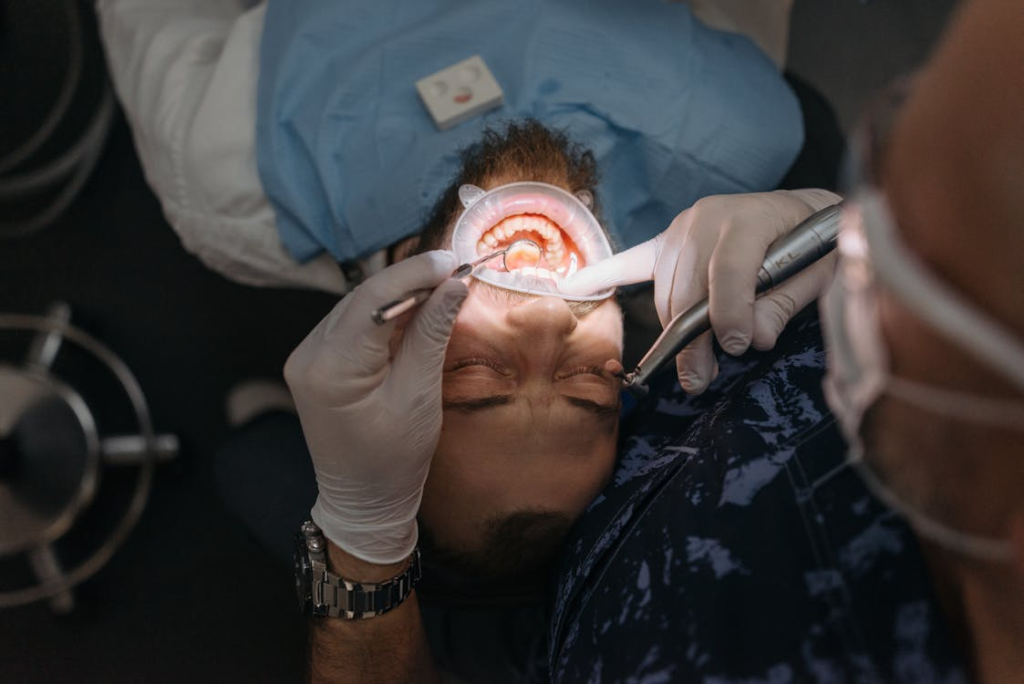
Beyond filling gaps and covering damaged teeth, these restorations fundamentally alter how your mouth functions — usually for the better, but sometimes in ways that require adjustment and understanding.
Crowns transform compromised teeth into functional units again. When a tooth has lost significant structure to decay or fracture, the remaining walls often flex under bite forces, causing sensitivity and progressive breakdown. A crown essentially creates a protective shell that distributes forces evenly across the entire tooth surface, eliminating the stress concentrations that cause pain and further damage. This is particularly crucial for teeth that have undergone root canal therapy, which removes the internal blood supply and makes the tooth more brittle over time.
Bridges restore the mechanical balance of your bite. Missing teeth create more problems than just gaps in your smile. Adjacent teeth tend to drift into empty spaces, while opposing teeth can over-erupt when they lose their chewing partners. This chain reaction affects your entire bite pattern, potentially causing TMJ problems, increased wear on remaining teeth, and difficulty chewing effectively. A well-designed bridge maintains proper spacing and provides the resistance needed to keep surrounding teeth in their correct positions.
The restoration process also improves your ability to speak clearly. Many people don’t realize how much their teeth contribute to proper pronunciation until they’re missing. Front teeth are particularly critical for producing “s,” “t,” and “th” sounds, while back teeth affect the resonance and clarity of overall speech patterns.
Chewing efficiency returns to near-normal levels with properly placed restorations. Research shows that people missing back teeth unconsciously shift their chewing patterns, often overworking the remaining teeth and developing habits that can lead to muscle tension and jaw pain. Comprehensive dental restoration services can evaluate and address these functional changes as part of the overall treatment planning process.
From a hygiene perspective, crowns and bridges require modified cleaning techniques but generally make oral care more effective. Crowned teeth eliminate the deep grooves and irregular surfaces where bacteria typically accumulate, while properly contoured bridges create smooth surfaces that resist plaque buildup better than damaged natural teeth.
Durability, Longevity, and Care for Bridges Versus Crowns
Understanding the realistic lifespan of these restorations helps set appropriate expectations and guides decisions about materials and maintenance approaches.
Individual crowns typically outlast bridges in terms of average lifespan, primarily because they involve fewer components and stress points. A well-made crown on a properly prepared tooth commonly lasts 15-20 years, with many exceeding 25 years when materials and circumstances align favorably. The longevity depends heavily on the health of the underlying tooth, your bite forces, oral hygiene habits, and the specific materials used.
Bridges face additional challenges that can affect their durability. Since all components are connected, a problem with any single element — whether it’s decay under one of the crowns, gum disease around the abutment teeth, or fracture of the pontic — typically requires replacing the entire bridge. This interconnected nature means bridges average 10-15 years before needing replacement, though many last significantly longer with excellent care.
The weakest points in both restorations occur at the margins where the crown or bridge meets your natural tooth. These areas are particularly vulnerable to decay if plaque and bacteria accumulate there regularly. Unlike natural teeth, crowned teeth don’t develop sensitivity to warn you of developing problems, making consistent preventive care and regular dental monitoring essential.
Material choice significantly influences longevity. Gold restorations routinely last 20-30 years, while all-ceramic options in high-stress areas might require replacement in 10-15 years. However, the aesthetic advantages of ceramics often outweigh the longevity differences, particularly for visible teeth where appearance matters.
Daily care requires some modification from normal brushing and flossing routines. Bridges demand special attention to cleaning under the pontic, typically requiring floss threaders, water flossers, or specialized brushes to remove bacteria and food debris from areas your regular toothbrush can’t reach. Crowned teeth benefit from non-abrasive toothpaste and soft-bristled brushes to avoid wearing away the margins over time.
Habits that destroy natural teeth accelerate restoration failure. Ice chewing, pen biting, nail biting, and teeth grinding can crack crowns, loosen bridges, or cause the underlying teeth to fracture. Night guards become particularly important for people with grinding habits, as the forces generated during sleep often exceed normal daytime chewing forces by several times.
What Patient Experiences and Research Reveal About Outcomes
Real-world success with crowns and bridges extends beyond technical durability to encompass patient satisfaction, functional improvement, and quality of life changes that don’t always show up in clinical studies.
Patient satisfaction surveys consistently show high approval ratings for both treatments, with most people reporting improved confidence, better chewing ability, and relief from the pain or sensitivity that prompted treatment. However, the adjustment period varies considerably. Some patients adapt to their new restorations within days, while others require weeks to fully adjust to changes in bite, speech, or oral sensations.
The most common patient concerns center around initial discomfort and temporary changes in bite feel. Modern techniques have largely eliminated the severe post-treatment pain that older generation patients sometimes experienced, but mild sensitivity and bite adjustments remain normal parts of the healing process. Most adjustment issues resolve within 2-4 weeks as your mouth adapts to the new surfaces and contours.
Long-term studies reveal interesting patterns in restoration survival. Bridges tend to fail gradually, with early warning signs like gum inflammation, loose-feeling components, or changes in bite comfort. Crowns more commonly experience sudden failures — typically fractures or decementation that happen without warning. This difference affects maintenance strategies and monitoring approaches.
Research also shows significant variation in outcomes based on patient compliance with recommended care. Patients who maintain excellent oral hygiene, attend regular dental cleanings, and avoid destructive habits see substantially longer restoration lifespans. Conversely, those who struggle with home care or skip preventive appointments experience higher failure rates regardless of the initial quality of their treatment.
The psychological impact often exceeds patient expectations. Many people underestimate how much dental problems affected their daily life until those problems are resolved. Patients frequently report being surprised by improved sleep quality, reduced headaches, and increased willingness to eat a varied diet — benefits that extend well beyond the immediate dental concerns that prompted treatment.
Consider the long-term relationship you’re establishing with these restorations. Unlike natural teeth that signal problems through pain, crowned and bridged teeth require proactive monitoring to catch issues early. Building sustainable care habits and maintaining regular professional oversight becomes part of preserving your investment and ensuring these restorations deliver their full potential benefit over many years of service.
Other Articles You May Find of Interest...
- When to Consider a Dental Bridge or Crown for Tooth Restoration
- Soothing Your Child’s Toothache with Safe Home Remedies
- Tooth Issues Braces Can Correct For Lasting Relief in Brookhaven
- The Integration of Periodontal Health and Chronic Disease Prevention
- Understanding the Long-Term Advantages of Dental Implants
- What Are the Causes of Black Dot Gums and Dark Spots on Your Gums?
- Signs You Need a Root Canal and What They Mean



