






Your Health Magazine
4201 Northview Drive
Suite #102
Bowie, MD 20716
301-805-6805
More Dental Health Articles
What to Expect During Invisalign Treatment in Spring Valley
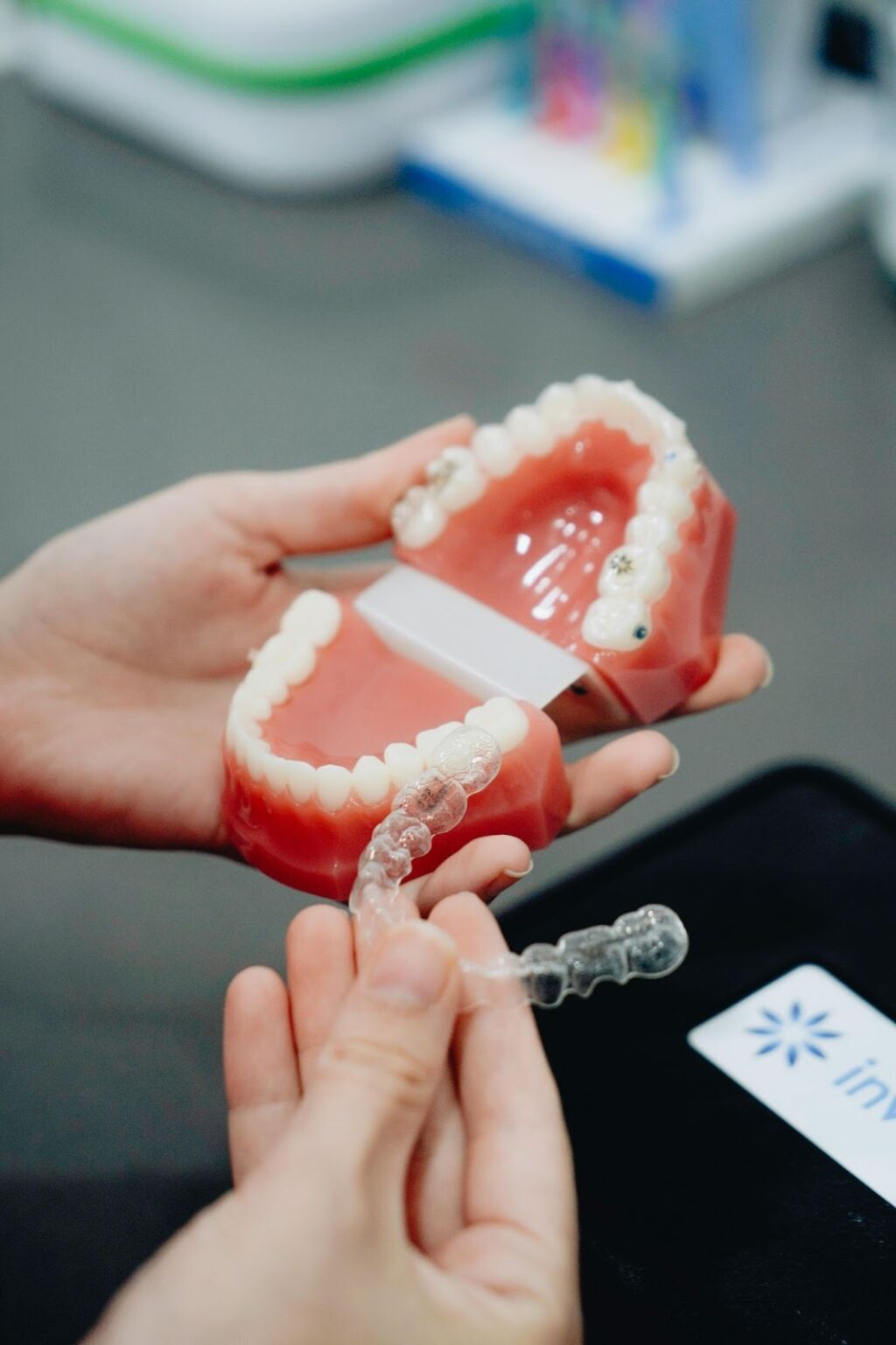
During Invisalign treatment in Spring Valley, you’ll begin with an initial consultation, where your orthodontist evaluates your dental structure to create a personalized treatment plan. Custom aligners follow, designed for comfort and effectiveness, requiring wear for 20 to 22 hours daily. Regular check-ups every four to six weeks are vital for tracking progress and making necessary adjustments. Proper oral hygiene is essential throughout. But what happens once the aligners come off?
Scheduling Your Initial Consultation
How do you begin your journey toward a perfect smile with Invisalign in Spring Valley? The process starts with scheduling your initial consultation. During this appointment, you’ll discuss Invisalign benefits with your orthodontist. These include nearly invisible aligners, comfort, and the ability to remove them for eating and cleaning. Understanding consultation expectations is vital. The orthodontist will evaluate your dental structure, ensuring you’re a suitable candidate for Invisalign. Expect a thorough examination, including digital scans or X-rays, to assess your teeth’s alignment. You’ll have the opportunity to ask questions about the treatment process. This consultation is an essential step in understanding how Invisalign can meet your orthodontic needs, setting the stage for achieving your desired smile transformation.
Personalized Treatment Plan Creation
Once your initial consultation confirms you’re a suitable candidate for Invisalign, the next step is the creation of a personalized treatment plan. This plan is meticulously crafted to align with your unique dental structure, patient preferences, and treatment goals. Your orthodontist will utilize advanced imaging technology to map out a precise, step-by-step progression of your teeth alignment. They’ll consider your specific concerns, such as bite correction or teeth spacing, guaranteeing the plan addresses these effectively. Your input is essential; you’ll discuss your aesthetic desires and comfort levels. Working with a provider offering Invisalign clear aligners in Las Vegas ensures that your treatment is tailored with the latest technology and expertise, optimizing results and patient satisfaction. Expect a detailed timeline outlining each phase of your Invisalign journey, providing clarity and confidence in the process.
Receiving Your Custom Aligners
After your personalized treatment plan is finalized, you’ll receive your custom Invisalign aligners, crafted to fit your teeth with precision. These aligners are designed for a seamless, comfortable experience, ensuring ideal progress in your treatment. Here’s what to keep in mind:
- Custom Fit: Each aligner is tailored to your dental structure, promoting effective teeth movement.
- Aligner Care: Proper maintenance is essential. Clean them regularly using Invisalign cleaning crystals or gentle brushing.
- Initial Adjustment: Expect a period of adaptation as your mouth gets accustomed to the new aligners.
Understanding the Wear Schedule
To optimize your Invisalign treatment, it’s important to adhere to the prescribed wear schedule. You should wear your aligners for 20 to 22 hours daily to guarantee effective progress. This regimen allows the aligners to exert consistent pressure on your teeth, gradually guiding them into the desired position. The treatment timeline typically involves switching to a new set of aligners every one to two weeks, depending on your orthodontist’s guidance.
Invisalign wear is designed to be flexible yet disciplined. Removing aligners only for eating, brushing, and flossing is vital. Deviating from this schedule can extend your treatment timeline and delay results. Consistent wear not only optimizes alignment but also prevents unnecessary discomfort and assures the treatment’s success.
Monitoring Progress With Regular Check-Ups
To guarantee ideal results from your Invisalign treatment, you’ll need to attend regular check-ups, typically every four to six weeks. During these appointments, your orthodontist will assess the movement of your teeth and make necessary adjustments to your treatment plan. These evaluations are essential for tracking progress and confirming that your aligners are guiding your teeth as intended.
Frequency of Check-Ups
Regular check-ups are essential in guaranteeing the success of your Invisalign treatment. Typically, you should expect to see your orthodontist every six to eight weeks. This check-up frequency allows for timely adjustments and monitoring, confirming your teeth are moving as planned. Your appointment schedule will be tailored to your specific needs, but maintaining consistent visits is critical. Here’s what you can expect during these check-ups:
- Aligner Assessment: Your orthodontist will evaluate the fit and condition of your current aligners.
- Progress Evaluation: They’ll check your teeth’s alignment progression to verify it aligns with your treatment plan.
- Future Planning: Any necessary adjustments to your treatment plan or aligners will be discussed.
Sticking to your appointment schedule is essential for achieving ideal results.
Assessing Teeth Movement
While undergoing Invisalign treatment, monitoring teeth movement is essential to guarantee the process is progressing as planned. Regular check-ups play a vital role in tracking progress and evaluating effectiveness. Your orthodontist will assess alignment improvements and confirm that each stage aligns with the planned treatment timeline. Digital scans and X-rays may be used to determine if teeth are shifting as expected. If any discrepancies are noted, adjustments can be made promptly to keep the treatment on track. During these appointments, your orthodontist will also inspect the condition of your aligners, ensuring they fit well and function correctly. This meticulous monitoring helps in minimizing delays and achieving the best results, confirming that your Invisalign journey is both effective and efficient.
Managing Discomfort and Adjustments
When starting your Invisalign treatment, you’ll experience aligner pressure that’s necessary for effective teeth movement. Managing discomfort involves techniques like using cold compresses and over-the-counter pain relievers to alleviate any pain. It’s also essential to gradually adapt to the tightness by wearing your aligners as prescribed, ensuring a smoother adjustment process.
Aligner Pressure and Relief
Understanding the pressure applied by Invisalign aligners is fundamental for managing discomfort effectively. The initial pressure you feel is a significant part of the tooth movement process. Aligner comfort is achieved as your teeth gradually adjust to this pressure. To guarantee ideal pressure relief, it’s essential to wear your aligners for the recommended 20-22 hours daily. This consistency helps your teeth acclimate and minimizes discomfort over time.
Here are some tips for managing pressure:
- Track Progress: Regularly monitor the fit and feel of your aligners.
- Use Cold Compresses: Apply a cold compress to alleviate initial pressure discomfort.
- Consult Your Orthodontist: If discomfort persists, schedule a consultation for a possible adjustment or advice on pressure relief strategies.
These practices will help you navigate aligner pressure efficiently.
Pain Management Techniques
Managing the pressure from Invisalign aligners sets the stage for addressing any pain that may arise during treatment. You might experience some discomfort as your teeth adjust. To manage this, consider using over-the-counter remedies like ibuprofen or acetaminophen, which can help alleviate mild pain. It’s crucial to follow the recommended dosage and consult with your orthodontist if you’re unsure. Additionally, heat therapy can be an effective approach for soothing sore areas. Applying a warm compress to the outside of your cheeks can ease tension and promote relaxation. Confirm the compress isn’t too hot to avoid skin irritation. These techniques aim to guarantee your progression through Invisalign treatment is as comfortable as possible while achieving ideal results.
Adapting to Tightness
As you progress with your Invisalign treatment, it’s normal to experience tightness as new aligners gradually shift your teeth. This sensation is a sign that your treatment is working, but it requires an adjusting mindset. To effectively manage this discomfort, consider the following coping strategies:
- Regularly switch aligners: Follow your orthodontist’s schedule to guarantee smooth changes and minimize tightness.
- Use over-the-counter pain relievers: If discomfort persists, non-prescription medications can provide temporary relief.
- Adopt oral exercises: Chewing on aligner chewies or gentle massaging can help ease the sensation of tightness.
Being proactive and prepared can make adapting to tightness less intimidating. These strategies not only improve comfort but also contribute to the success of your Invisalign journey.
Maintaining Oral Hygiene During Treatment
Although Invisalign aligners offer a discreet approach to teeth straightening, maintaining oral hygiene during treatment is essential to prevent dental issues. You should remove your aligners before eating or drinking anything other than water. After meals, it’s imperative to brush your teeth thoroughly, utilizing proper flossing techniques to guarantee no food particles remain trapped. Consider a waxed floss for easier maneuvering between tight spaces. Additionally, using an antibacterial mouthwash can help eliminate bacteria and freshen breath. Opt for alcohol-free mouthwash recommendations to avoid drying out your mouth. Cleaning your aligners daily with a soft toothbrush and mild soap is also fundamental. Consistent oral hygiene practices will help guarantee your smile stays healthy and free from cavities throughout your Invisalign journey.
Handling Common Challenges
When beginning Invisalign treatment, you’ll likely encounter initial discomfort as your teeth adjust to the aligners. Speech changes may also occur, requiring a brief adaptation period as you become accustomed to the aligners in your mouth. Maintaining oral hygiene remains essential, demanding consistent care to prevent plaque buildup and guarantee effective treatment.
Managing Initial Discomfort
While starting Invisalign treatment, you might experience some initial discomfort, a common challenge faced by many. This initial aligner pain is normal as your teeth begin shifting. To ease this adjustment, effective discomfort management techniques can be implemented.
- Use Over-the-Counter Pain Relievers: Ibuprofen or acetaminophen can alleviate pain temporarily. Always follow dosage instructions.
- Apply Cold Compresses: Applying a cold compress to the outside of your mouth can reduce inflammation and numb discomfort.
- Stick to Soft Foods: In the early days of each new aligner, opt for softer foods to avoid additional pressure on your teeth.
These strategies can help mitigate initial discomfort, ensuring a smoother Invisalign journey. Consistent application of these techniques will promote a more comfortable treatment experience.
Adapting to Speech Changes
For many undergoing Invisalign treatment, speech changes can be an unexpected challenge, yet they’re often temporary. Initially, you might experience a slight lisp or altered speech patterns due to the aligners. This can affect speech clarity, especially with sounds like “s” and “z.” It’s important to practice speaking aloud, focusing on enunciation to improve your communication confidence. Over time, your mouth will adapt to the aligners, and most people notice substantial improvements in speech clarity within a few days to weeks.
To accelerate adaptation, read aloud or engage in conversations more frequently. Be patient, as persistence pays off. If you’re concerned about prolonged speech issues, consult your orthodontist. They’ll provide guidance tailored to your specific needs, ensuring you’re comfortable throughout the process.
Maintaining Oral Hygiene
Maintaining oral hygiene during Invisalign treatment is vital, as neglect can lead to plaque buildup and potential cavities. It’s important to adapt effective brushing techniques and flossing tips to guarantee your teeth remain healthy throughout the process. When brushing, use a soft-bristled toothbrush to gently clean your teeth and aligners. Brush for at least two minutes, focusing on all surfaces.
Flossing is equally important. Opt for floss picks or water flossers to easily reach between teeth without damaging aligners. Remember to clean your aligners daily to prevent bacteria buildup.
- Brush after every meal: Prevent plaque by brushing after eating.
- Use fluoride toothpaste: Strengthen enamel and fight cavities.
- Schedule regular dental check-ups: Monitor progress and address issues promptly.
Practicing these habits will help maintain peak oral health.
The Final Reveal and Retention Phase
As you approach the conclusion of your Invisalign journey, the Final Reveal and Retention Phase is fundamental for guaranteeing lasting results. Once your aligners have achieved the desired final results, your orthodontist will evaluate your progress. This assessment confirms that your teeth have shifted correctly and are positioned as planned. To maintain these results, effective retention strategies must be employed. You’ll likely receive a custom retainer, designed to keep your teeth in their new alignment. Wearing this retainer as instructed is essential to prevent teeth from reverting to their original positions. You’ll receive guidance on the proper use and care of your retainer, making sure it effectively preserves your new smile. Compliance with these retention protocols is critical for the longevity of your orthodontic improvements.
Long-Term Care for Your New Smile
With the completion of the Final Reveal and Retention Phase, attention now shifts to the ongoing care necessary to uphold your newly aligned teeth. Long-term maintenance is vital for smile retention. Consistent care will prevent your teeth from shifting back to their previous positions. Here’s what you need to do:
- Wear Your Retainer Regularly: It’s important to follow the prescribed schedule for wearing your retainer. This is key to maintaining your smile.
- Maintain Oral Hygiene: Brush and floss daily to prevent plaque buildup, which can compromise alignment.
- Regular Dental Check-ups: Visit your dentist at least twice a year to monitor your smile’s health and make any necessary adjustments.
Frequently Asked Questions
How Long Does Invisalign Treatment Usually Take?
Invisalign treatment duration typically ranges from 12 to 18 months, depending on your specific dental needs. You’ll change aligners approximately every 1 to 2 weeks to gradually shift your teeth into the desired alignment.
Can I Eat or Drink With Invisalign Aligners On?
No, you can’t eat or drink with Invisalign aligners on. Remove them before meals to prevent damage and guarantee proper aligner care. Maintain excellent oral hygiene by brushing and rinsing both your teeth and aligners regularly.
Are There Any Foods I Should Avoid During Treatment?
You shouldn’t eat sticky or hard foods to avoid damaging your aligners. Opt for snack alternatives like soft fruits or yogurt. Food restrictions guarantee your treatment progresses smoothly and reduces the risk of aligner breakage or misalignment.
Will Invisalign Affect My Speech?
Yes, Invisalign might initially affect your speech. You’ll experience speech adaptation as you get used to the aligners. Aligner comfort improves over time, helping you articulate words more clearly. Practice speaking to accelerate the adjustment process.
How Much Does Invisalign Treatment Typically Cost?
Invisalign treatment typically costs between $3,000 to $7,000. Insurance coverage might reduce this expense. Explore Invisalign payment options like monthly plans to make it more affordable. Contact your provider for specifics on insurance and payment plans.
Other Articles You May Find of Interest...
- How Misaligned Teeth Affect Digestion and Nutrition
- How to Choose the Best Cosmetic Dentist in Palo Alto for a Natural-Looking Smile
- Relief Strategies for Alleviating Roof of Mouth Burn
- What Are the Signs You Need a Dental Crown?
- Causes and Remedies for a Swollen Jaw: What You Need to Know
- A Gorgeous Smile Starts with Happy Jaws
- How Often Should You Visit a Dentist in Queens for Cleaning?



