






More Dental Health Articles
What Is a Nasopalatine Duct Cyst and How Does It Affect Your Oral Health?
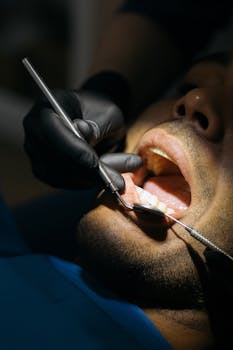
The nasopalatine duct cyst is a common nonodontogenic cyst of the oral cavity, often found in the midline of the anterior maxilla near the incisors. It is generally asymptomatic, though it may cause swelling, discomfort, or other dental issues. Understanding this condition is essential for maintaining good oral health. Identifying it early can prevent complications and ensure that one receives appropriate treatment.
Understanding the Nasopalatine Duct Cyst
The nasopalatine duct cyst is the most commonly occurring nonodontogenic cyst, stemming from the embryological remnants of the nasopalatine duct. These cysts typically manifest as swelling or a mass in the region behind the upper front teeth. They can range from asymptomatic to causing noticeable discomfort. Diagnosis usually requires dental imaging, with panoramic X-rays or CBCT scans revealing the cyst’s location and size.
While this condition primarily affects adults, it can appear in younger individuals. Though benign, the cyst may grow large enough to affect surrounding structures if left untreated. Dentists typically address it through surgical means, ensuring the affected area is adequately monitored and managed.
Causes and Symptoms
The exact cause of nasopalatine duct cysts remains unclear, but they are believed to arise from the epithelial remnants of the nasopalatine duct. These remnants can become entrapped during development and may proliferate to form a cyst. Factors such as trauma or infection might play a role in their formation.
Symptoms of a nasopalatine duct cyst may include painless swelling in the palate, drainage leading to a salty taste, and sometimes pain or redness in the area. However, many individuals remain asymptomatic, with the cyst discovered incidentally during a routine dental examination.
Diagnosis and Treatment
In diagnosing a nasopalatine duct cyst, dentists often rely on clinical examination and imaging studies. Radiographs can reveal a well-defined radiolucent area in the anterior maxilla, often crucial for a definitive diagnosis. Confirmation may involve exploring the anatomy through advanced imaging like CT scans.
Treatment generally involves surgical intervention, where the cyst is enucleated to prevent recurrence. This procedure is considered minor, with patients typically recovering quickly and experiencing little to no postoperative complications. Nonetheless, ongoing dental monitoring is recommended to ensure no recurrence or new complications arise.
For a broader understanding of various dental health topics, you can explore this article on TMD in women.
Impacts on Oral Health
Even though a nasopalatine duct cyst is benign, its presence can have significant oral health implications if untreated. Potential complications include displacement of teeth, alteration in speech, and in rare cases, infections. Regular dental check-ups can help in early detection and management, minimizing any adverse effects on oral health.
Ensuring robust dental hygiene practices and attending regular dental visits play a vital role in maintaining oral health integrity and identifying issues such as a nasopalatine duct cyst early. With proper care, individuals can prevent potential complications and preserve their dental health effectively.
For further detailed insights into oral cysts and their management, consider visiting this informative page.
Prevention and Prognosis
Preventing a nasopalatine duct cyst is challenging due to its developmental origins. However, maintaining a proactive approach through regular dental exams can detect them early before they cause significant issues. Generally, the prognosis for a nasopalatine duct cyst is excellent, especially with timely surgical intervention. Patients recovery well, and the recurrence rate is low when the cyst is adequately enucleated.
Overall, maintaining good oral health practices contributes to the prevention of various dental disorders, supporting a healthy oral environment.
Understanding nasopalatine duct cysts and their treatment is crucial for anyone looking to maintain excellent oral health. By recognizing the symptoms early and pursuing timely treatment, you can ensure optimal dental well-being.
- Nasopalatine duct cysts are commonly non-infectious and asymptomatic.
- Diagnosis involves imaging and sometimes requires surgical intervention.
- Regular dental check-ups are essential for early detection.
- Prompt treatment ensures favorable outcomes with low recurrence rates.
- Maintaining oral hygiene mitigates the risk of complications.
What causes a nasopalatine duct cyst?
Nasopalatine duct cysts are caused by the remnants of the nasopalatine duct becoming entrapped and proliferating. Factors like trauma or infection may also contribute to their development.
How is a nasopalatine duct cyst diagnosed?
Diagnosis usually occurs through dental examinations and imaging such as X-rays or CT scans, which show the characteristic cyst in the maxilla.
What is the treatment for nasopalatine duct cysts?
Treatment typically involves surgical removal of the cyst to prevent it from affecting surrounding structures and to reduce the risk of recurrence.
Can nasopalatine duct cysts return after treatment?
Recurrence is rare when the cyst is properly removed through surgical means, but regular follow-ups are recommended to monitor for any reappearance.
Are there ways to prevent nasopalatine duct cysts?
While prevention is challenging, regular dental check-ups and maintaining oral health can help in early detection and management of nasopalatine duct cysts, ensuring minimal impact on oral health.
Other Articles You May Find of Interest...
- What Is a Nasopalatine Duct Cyst and How Does It Affect Your Oral Health?
- Effective Solutions: Finding the Right Mouthwash for Thrush
- How Misaligned Teeth Affect Digestion and Nutrition
- How to Choose the Best Cosmetic Dentist in Palo Alto for a Natural-Looking Smile
- Relief Strategies for Alleviating Roof of Mouth Burn
- What Are the Signs You Need a Dental Crown?
- Causes and Remedies for a Swollen Jaw: What You Need to Know




