






Your Health Magazine
4201 Northview Drive
Suite #102
Bowie, MD 20716
301-805-6805
More Dental Health Articles
Understanding the Long-Term Advantages of Dental Implants
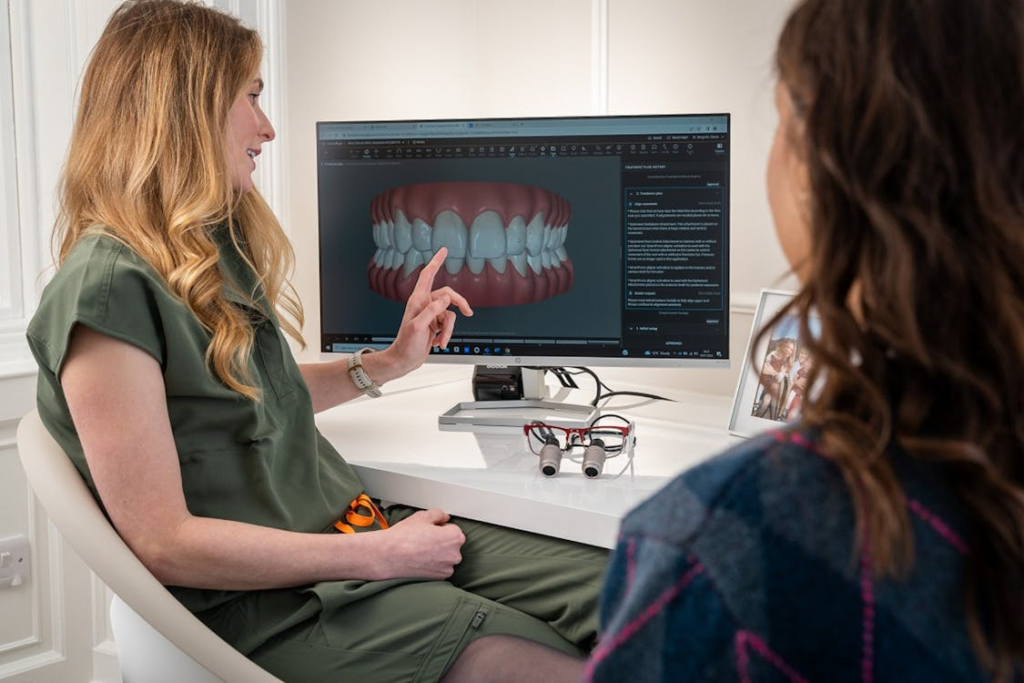
According to the American Dental Association’s 2024 clinical guidelines, properly maintained dental implants demonstrate a 95% success rate over 10 years — making them the most predictable tooth replacement option available today. As dental technology continues advancing and more patients seek permanent solutions for missing teeth, implants have shifted from specialty treatment to mainstream standard of care across most dental practices.
This evolution matters because tooth loss affects far more than just appearance. Each missing tooth triggers a cascade of changes that impact bone density, facial structure, speech clarity, and overall oral health. For the estimated 178 million Americans missing at least one tooth, understanding these long-term consequences — and how implants address them — has real implications for quality of life decades down the road.
What sets implants apart isn’t just their durability, but how they integrate with your body’s natural systems to preserve function that other tooth replacements simply cannot match. The following exploration examines why this distinction matters, from the biomechanical advantages that protect your jawbone to the practical benefits that affect daily life, along with the factors that determine whether those advantages last.
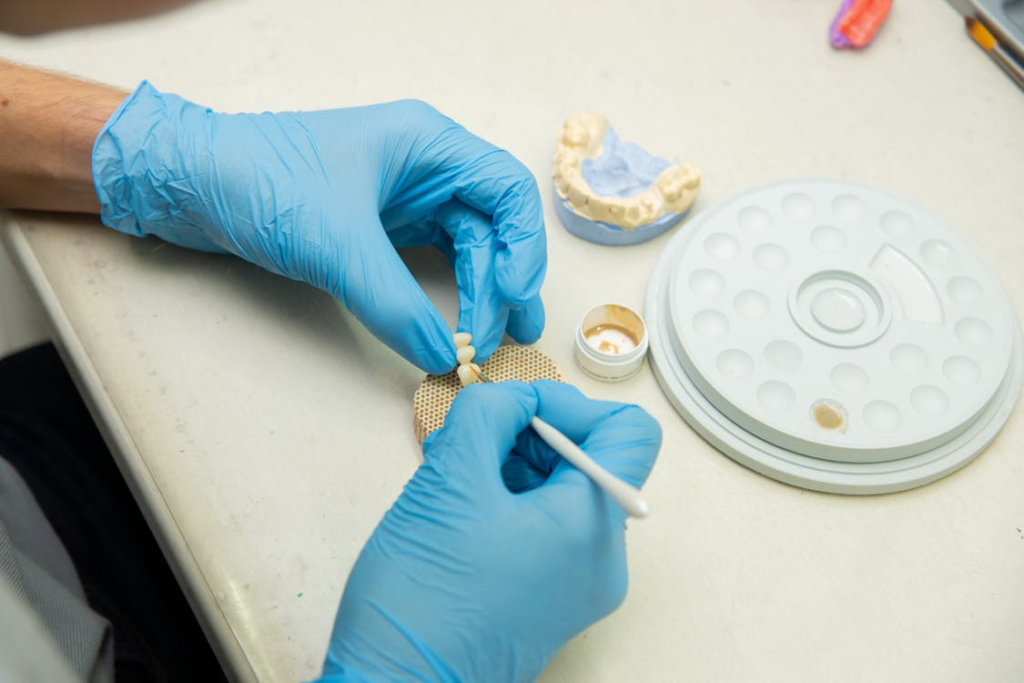
How Dental Implants Provide Durable Oral Function and Preserve Bone Health
The titanium post that forms an implant’s foundation does something no denture or bridge can replicate: it stimulates the jawbone through direct mechanical loading, just like a natural tooth root. When you chew with an implant, force transmits through the titanium into the surrounding bone tissue, triggering the cellular activity that maintains bone density. This process, called osseointegration, creates a permanent fusion between the implant surface and your bone that actually strengthens over time.
Without this stimulation, jawbone begins deteriorating within months of tooth loss. The alveolar bone that once supported your tooth starts resorbing at a rate of roughly 25% in the first year alone, according to research published in the Journal of Periodontology. Traditional dentures and bridges rest on top of the gums, providing no mechanical stimulus to prevent this bone loss — which is why denture wearers often experience progressive facial changes and increasingly poor denture fit over time.
Implants interrupt this degenerative process completely. The titanium post bears chewing forces that can exceed 200 pounds per square inch, distributing that energy into the bone just as a natural root would. This mechanical loading triggers osteoblast activity — the bone-building cells that maintain skeletal density throughout your body. Over months of healing, these cells deposit new bone material directly onto the implant surface, creating a biological lock that becomes stronger than the original tooth attachment.
This biomechanical advantage translates to practical benefits that compound over years. Patients with dental implant services in Oak Lawn report being able to bite into apples, chew steak, and eat corn on the cob without the restrictions that come with removable appliances. Unlike bridges, which require grinding down healthy adjacent teeth for support, implants preserve your natural teeth completely. The result is a tooth replacement that not only functions like the original but actually protects the long-term health of your entire mouth.
How Dental Implants Improve Speech and Facial Appearance
Missing teeth create immediate challenges for clear speech production, but the long-term aesthetic changes from bone loss often surprise patients more than the initial gap. Implants address both concerns through mechanisms that extend far beyond simply filling space.
How Implants Enhance Speech Clarity Over Other Options
Clear speech depends on precise tongue positioning against your teeth and palate, particularly for sounds like “s,” “th,” and “f.” When teeth are missing, your tongue compensates by adjusting its position, often creating the lisp or whistling sounds that many denture wearers experience. Traditional dentures compound this problem because they add bulk to your palate and can shift during speech, forcing constant conscious adjustment of tongue placement.
Implants restore the exact spatial relationships your tongue expects. Because they emerge from your gums at the same angle and position as natural teeth, your tongue can resume its normal patterns without adaptation. The crown attached to each implant maintains proper dimensions, creating the precise contact points necessary for crisp consonant sounds. Unlike removable appliances that can click or slip during conversation, implants remain completely stable under the rapid tongue movements required for normal speech.
Research from the International Journal of Oral and Maxillofacial Implants demonstrates that patients with implant-supported restorations show speech patterns virtually indistinguishable from those with natural teeth within three months of final restoration placement. This contrasts sharply with denture wearers, who often require ongoing speech therapy and may never fully regain their original clarity, particularly for professional speaking or singing.
Ways Dental Implants Support Facial Structure and Appearance
The progressive facial collapse that follows tooth loss represents one of the most dramatic long-term consequences of untreated missing teeth. As alveolar bone resorbs, your lips lose support, creating the sunken appearance characteristic of advanced tooth loss. The distance between your nose and chin gradually decreases, forming deep wrinkles around your mouth and an aged appearance that can add years to your perceived age.
Implants prevent this cascade by maintaining the bone volume that supports your facial soft tissues. The titanium posts preserve not just the height of your jawbone, but also its width — the horizontal dimension that determines how far your lips project outward. This three-dimensional bone preservation maintains the natural contours that define your facial appearance, preventing the hollow-cheeked look that develops when multiple teeth are lost.
The aesthetic benefits extend beyond preventing deterioration. Because implant crowns can be shaped to ideal proportions, they often improve upon the original teeth. Patients frequently report that their smile looks better than before tooth loss, with properly aligned, appropriately sized teeth that complement their facial features. The stable foundation that implants provide also allows for more predictable cosmetic outcomes compared to restorations supported by weakened natural teeth or shifting denture bases.
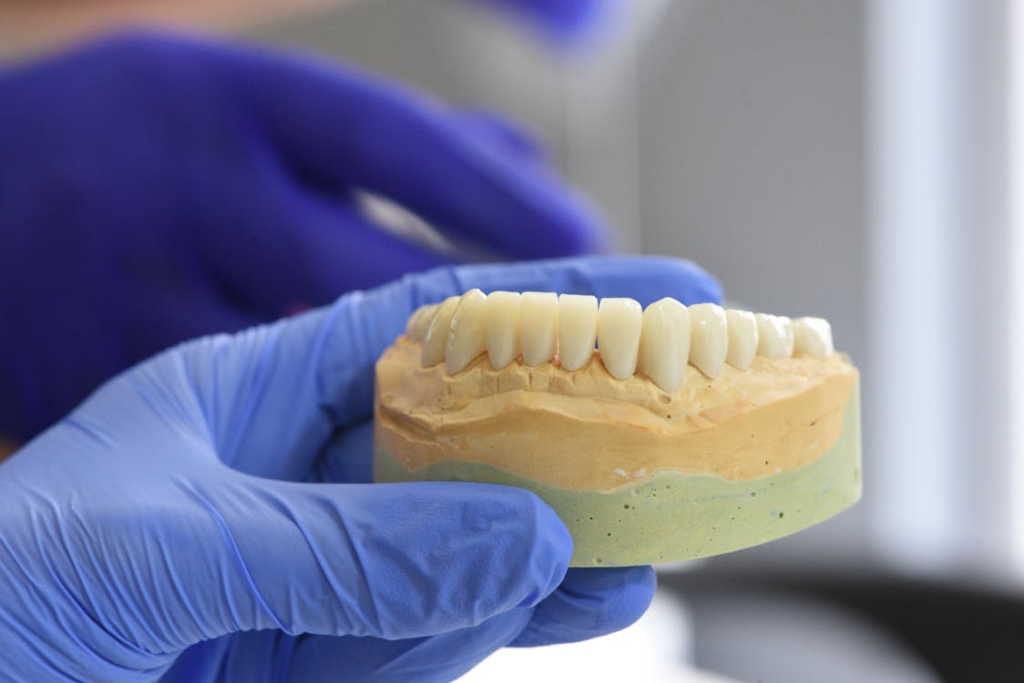
Key Factors Influencing Dental Implant Success and Longevity
The remarkable success rates that implants demonstrate across populations mask significant variation in individual outcomes. Understanding the factors that separate thriving implants from failed ones reveals why some patients enjoy decades of trouble-free function while others face complications within years of placement.
Bone quality and quantity represent the most critical variables in implant success. The density of your jawbone — measured on a scale from D1 (extremely dense) to D4 (very soft) — directly correlates with osseointegration success. Dense bone provides better initial stability and stronger long-term integration, while soft bone requires modified surgical techniques and longer healing periods. Patients with insufficient bone height or width may need bone grafting procedures before implant placement, adding months to treatment but dramatically improving long-term outcomes.
Surgical precision during placement determines whether an implant integrates successfully or fails within the first year. The implant must be positioned at precisely the right angle, depth, and location to achieve proper osseointegration while avoiding vital structures like nerves and adjacent tooth roots. Three-dimensional imaging and computer-guided surgery have improved placement accuracy significantly, but the surgeon’s experience with these technologies remains crucial. Even minor deviations from optimal position can compromise both function and aesthetics for decades.
Systemic health factors also influence implant longevity in ways that may not become apparent for years. Uncontrolled diabetes impairs the healing response necessary for osseointegration, while certain medications — particularly bisphosphonates used to treat osteoporosis — can interfere with normal bone remodeling around implants. Smoking represents perhaps the most significant modifiable risk factor, reducing implant success rates by 15-20% according to data from the International Congress of Oral Implantologists.
The quality of the restoration attached to the implant affects long-term success as much as the implant itself. Poorly designed crowns that create excessive biting forces or fail to maintain proper emergence angles can lead to mechanical complications or peri-implant tissue breakdown. The materials used — from the implant surface coating to the crown construction — continue evolving as manufacturers refine designs based on long-term clinical data.
Common Complications with Dental Implants and Strategies to Minimize Risks
While implant success rates exceed those of most medical devices, understanding potential complications helps set realistic expectations and highlights the importance of proper care. The most serious complications typically develop gradually, making early recognition and intervention crucial for preserving long-term implant health.
Peri-implantitis — inflammation of the tissues surrounding an implant — represents the most common cause of long-term implant failure. This condition mirrors periodontal disease around natural teeth but can progress more rapidly because implants lack the natural immune defenses that tooth ligaments provide. Early signs include bleeding when cleaning around the implant, persistent bad taste, or gradual recession of the gum line around the crown. Left untreated, peri-implantitis can destroy the bone supporting the implant, ultimately leading to implant loss.
Prevention centers on maintaining meticulous oral hygiene and regular professional monitoring. The rough titanium surface that promotes osseointegration also harbors bacteria more readily than smooth natural tooth surfaces, requiring specialized cleaning techniques. Water flossers, interdental brushes, and antimicrobial rinses often prove more effective than traditional floss for removing plaque around implant restorations.
Mechanical complications — including crown fractures, screw loosening, or implant fracture — account for roughly 12% of implant problems over 10 years. These issues typically result from excessive biting forces, often related to nighttime teeth grinding or clenching. A custom nightguard can eliminate most bite-related complications, while regular checkups allow early detection of loose components before they cause more serious damage.
Nerve injury during implant placement can cause permanent numbness in the lip, chin, or tongue if the implant contacts the inferior alveolar nerve. This complication occurs in less than 2% of cases when proper imaging and surgical planning are used, but the consequences can be permanent. Three-dimensional CT scans before surgery map nerve locations precisely, allowing surgeons to modify implant position or length to maintain safe distances from vital structures.
Early intervention proves critical for most implant complications. Peri-implantitis responds well to treatment when caught in its initial stages but may require implant removal if bone loss becomes extensive. Regular dental visits allow professional assessment of implant health before problems become symptomatic, significantly improving treatment outcomes and preserving the long-term investment in implant therapy.
Essential Maintenance and Care for Long-Term Implant Health
The daily care routine that preserves your implants differs subtly but importantly from natural tooth maintenance. While implants cannot develop cavities, the tissues surrounding them remain vulnerable to inflammation and infection that can compromise the entire restoration. Understanding these differences helps maximize the decades of service that properly maintained implants can provide.
Professional cleaning techniques for implants require specialized instruments that won’t scratch the titanium surface. Metal scalers used for natural teeth can create microscopic grooves that harbor bacteria, so dental hygienists use plastic or carbon fiber tools specifically designed for implant maintenance. Professional cleaning appointments often take longer than routine cleanings because accessing the areas around implant crowns requires more precise technique.
Home care modifications focus on the unique cleaning challenges that implant restorations create. The connection between the implant and crown creates a junction that requires thorough daily cleaning to prevent bacterial accumulation. Water flossers prove particularly effective for this task, delivering pressurized irrigation that reaches areas traditional floss cannot access. Interdental brushes — small bottle-brush devices — excel at cleaning the embrasure spaces around implant crowns, while antimicrobial mouth rinses provide additional protection against the bacteria that cause peri-implantitis.
The investment in implant therapy — typically ranging from $3,000 to $6,000 per tooth — justifies the enhanced maintenance routine required to protect it. Unlike natural teeth, which can often be repaired if problems develop, implant complications frequently require complete restoration replacement or even implant removal and bone grafting for re-treatment.
Regular monitoring becomes even more critical as implants age. The absence of natural periodontal ligaments means implants provide no early warning signs when problems begin developing. What matters most is establishing a prevention-focused relationship with dental professionals who understand implant-specific maintenance requirements and can detect subtle changes before they become major complications. This investment in ongoing care typically preserves implant function for 20-30 years or more, making it one of the most cost-effective tooth replacement options available when evaluated over a lifetime.
Other Articles You May Find of Interest...
- The Integration of Periodontal Health and Chronic Disease Prevention
- Understanding the Long-Term Advantages of Dental Implants
- What Are the Causes of Black Dot Gums and Dark Spots on Your Gums?
- Signs You Need a Root Canal and What They Mean
- Be Ready for Spring & Summer with a Confident Smile
- 9 Common Dental Problems Families Face and How Family Dentistry Prevents Them
- How Same-Day Veneers Are Designed, Crafted, and Placed in One Visit




