More Dental Health Articles
The Link Between Your Teeth and Your Body: A Biological Dentist Explains
Written By Dr. Olivia Hart, Board-Certified Biological Dentist, Virginia Biological Dentistry, Glen Allen, VA
Most people think of a dental visit as something separate from the rest of their healthcare — a twice-a-year checkup that has little to do with how their heart, immune system, or brain functions. But after more than 15 years in practice and more than a decade practicing biological dentistry, I can tell you with confidence: that separation is one of the most consequential myths in modern healthcare.
Your mouth is not an isolated system. It is the gateway to your body — and what happens inside it has far-reaching consequences for your overall health, longevity, and both quality of life and quality of aging.
The Mouth as a Window Into Systemic Health
Long before symptoms appear elsewhere in the body, the mouth often gives early warning signs. Inflamed, bleeding gums may indicate systemic inflammation. Chronic infections around the teeth, and their root canals can silently burden the immune system for years. Jaw positioning and airway structure influence how well you breathe during sleep — and poor sleep has consequences that extend into virtually every organ system.
This is the foundation of what is known as oral-systemic health: the documented, evidence-supported connection between the condition of your mouth and the health of your entire body. It is not an alternative medicine concept. It is increasingly mainstream science — and it changes the way thoughtful clinicians approach dental care.
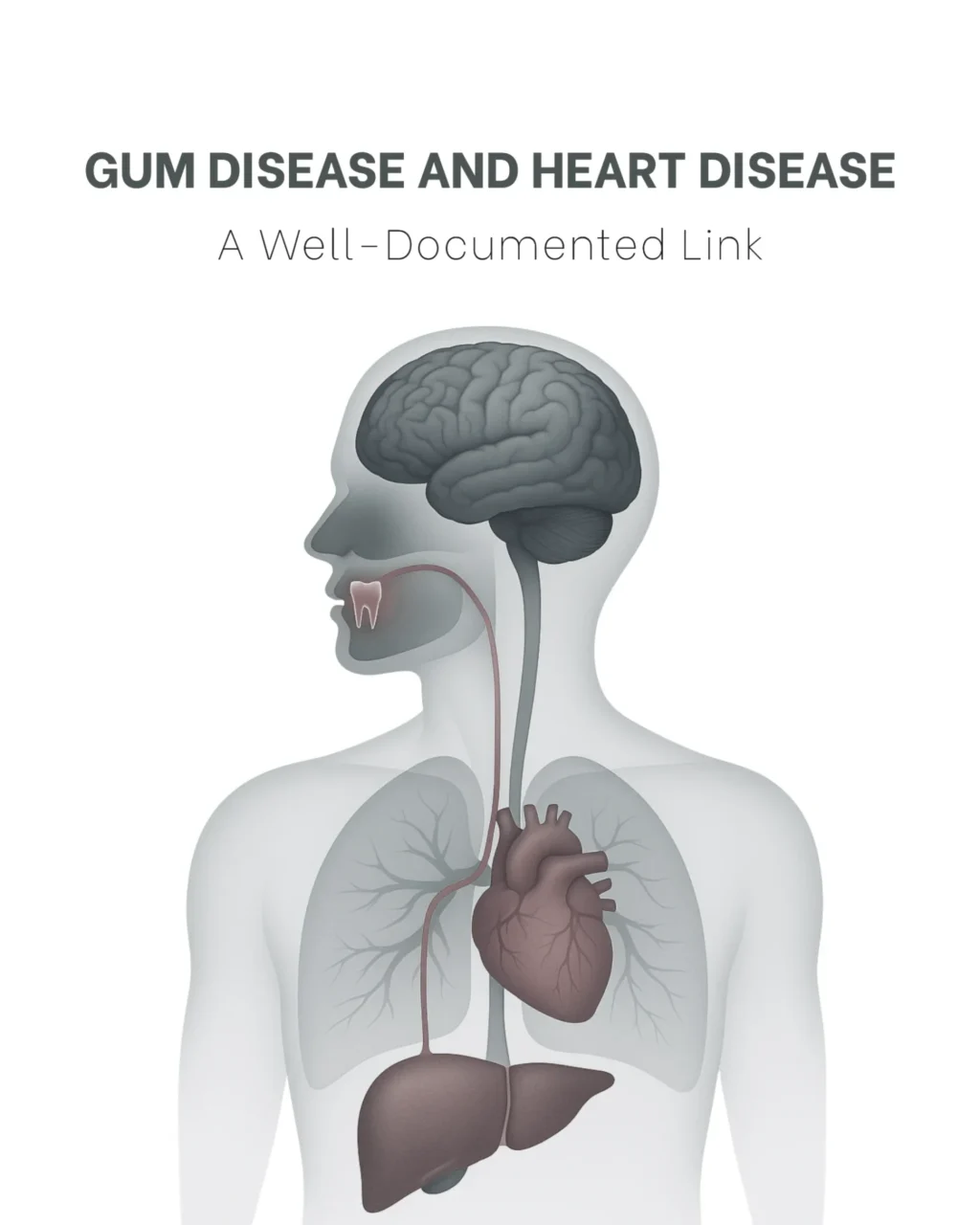
Gum Disease and Heart Disease: A Well-Documented Link
One of the most researched areas of oral-systemic medicine is the relationship between periodontal (gum) disease and cardiovascular health. Studies published in peer-reviewed journals have shown that people with moderate to severe gum disease have a significantly higher risk of heart attack and stroke compared to those with healthy gums.
The mechanism involves bacteria. The same bacterial species responsible for gum disease — particularly Porphyromonas gingivalis and Treponema denticola — have been found in arterial plaques of patients with cardiovascular disease. When the gum tissue is inflamed and compromised, these bacteria can enter the bloodstream and travel to the heart, triggering inflammatory responses in blood vessel walls.
This doesn’t mean gum disease causes heart disease. But the association is strong enough that cardiologists and periodontists increasingly communicate about shared patients. Treating chronic gum disease may be one of the most important things a patient can do for their cardiovascular health — not just their smile.
Oral Bacteria, Diabetes, and the Inflammatory Cycle
The relationship between oral health and diabetes is bidirectional — and that makes it particularly important to understand.
People with poorly controlled diabetes are significantly more susceptible to gum disease. Elevated blood sugar creates an environment that favors bacterial growth and impairs the body’s ability to fight infection. As a result, diabetic patients often experience more severe periodontal disease, slower healing after dental procedures, and higher rates of tooth loss.
But the relationship also works in reverse. Chronic gum disease increases systemic inflammation and has been shown to worsen insulin resistance — making blood sugar harder to control. Multiple clinical studies have demonstrated that treating gum disease in diabetic patients leads to measurable improvements in HbA1c levels, the standard marker for long-term blood sugar management.
For patients managing diabetes, oral health is not optional. It is an active component of metabolic management.
The Mouth, the Brain, and Cognitive Health
Emerging research has begun to examine the relationship between oral bacteria and cognitive decline. A landmark study published in Science Advances found evidence of Porphyromonas gingivalis — a primary driver of gum disease — in the brains of Alzheimer’s patients. The research identified toxic enzymes produced by this bacteria called gingipains, which appear to contribute to neuroinflammation and the destruction of neurons.
While more research is needed to fully understand the mechanisms, the implication is significant: chronic, untreated oral infections may not stay in the mouth. They may have long-term effects on neurological health that we are only beginning to measure.
This is precisely why the standard approach of treating dental problems in isolation — a filling here, a crown there — is no longer sufficient. As a biological dentist, I am trained to evaluate not just the tooth, but the infection, the bacteria, the materials we use, and how each decision affects the patient’s broader biological environment.
Dental Materials and Their Systemic Impact
One area that conventional dentistry has been slow to address — but that patients increasingly ask about — is the role of dental materials in systemic health.
For decades, amalgam (silver) fillings have been the standard material for treating cavities. What many patients do not know is that amalgam is approximately 50% mercury by weight. Mercury is a well-documented neurotoxin, and amalgam fillings release mercury vapor continuously — with spikes during chewing, grinding, and hot beverage consumption.
The effects vary by individual, influenced by genetics, immune function, and total mercury burden. Some patients tolerate amalgam with no apparent issues. Others — particularly those with genetic variants that affect mercury detoxification or weaker immune system with varied detox ability — may accumulate mercury over time with measurable consequences to neurological and immune function.
We are a fully mercury-free and mercury safe practice. Not only do we use biocompatible BPA composite or purely ceramic conservative restorations, for patients who want existing leaky mercury fillings removed, we use the SMART protocol (Safe Mercury Amalgam Removal Technique), developed by the International Academy of Oral Medicine and Toxicology (IAOMT) as well as the Protect Protocol by The International Academy of Biological Dentistry and Medicine (IABDM) These detailed protocols are designed to minimize mercury vapor exposure to the patient, the dental team, and the environment during removal — using rubber dams, high-volume evacuation, sectioning techniques, and supplemental oxygen, just to name only a few elements.
The choice of materials matters beyond mercury. Titanium implants, BPA-containing composites, and other conventional materials all might interact with your body’s biological environment. Patients with autoimmune conditions, metal sensitivities, or chronic systemic inflammation deserve a dental team that takes material biocompatibility seriously — and has the tools to evaluate individual compatibility before placing anything permanently in the body.
Airway, Sleep, and the Jaw’s Role in Whole-Body Function
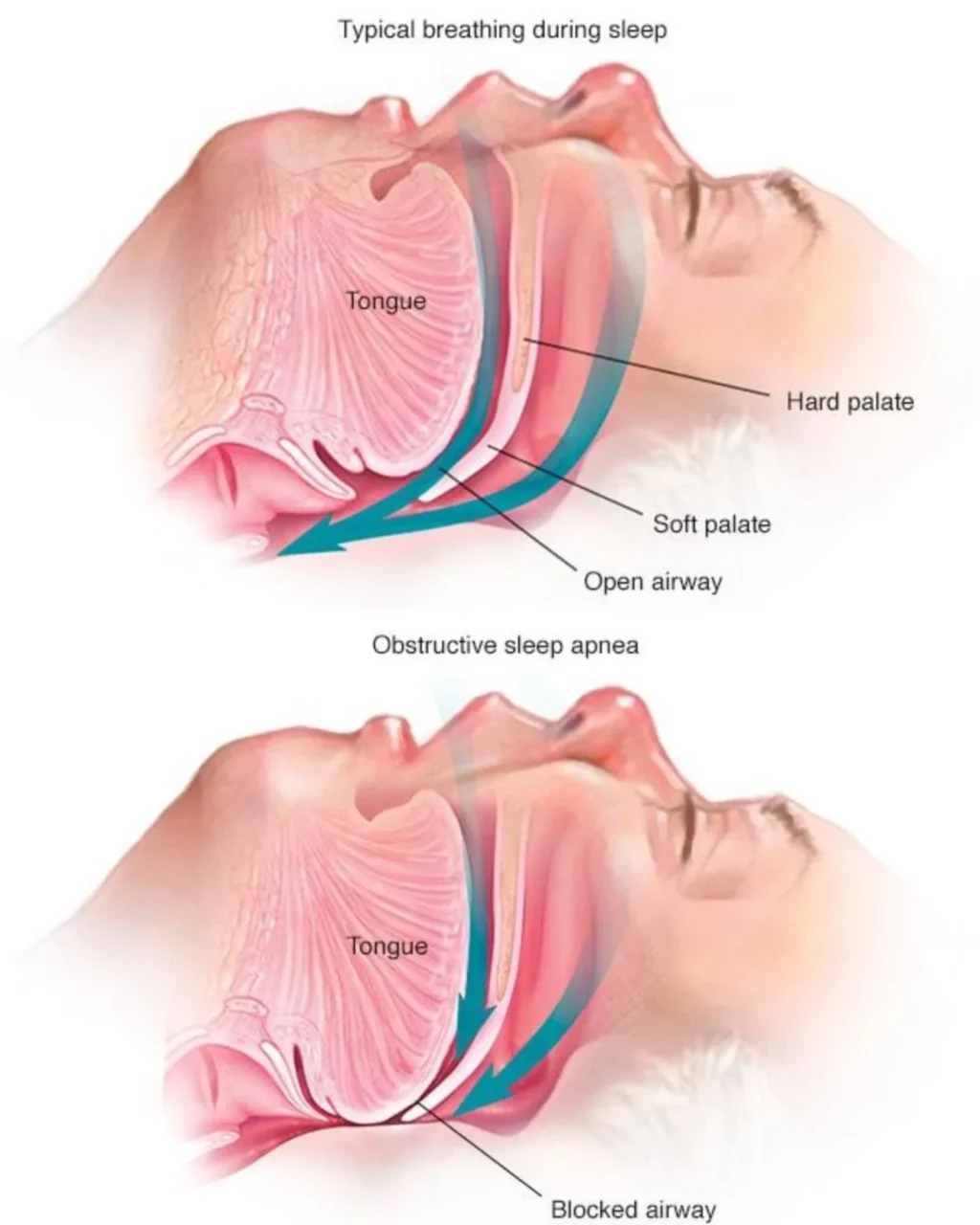
An often-overlooked dimension of oral-systemic health is the relationship between jaw structure, airway, and sleep quality.
The position of the jaw, the size of the airway, the development of the palate, and the function of the tongue all influence breathing patterns — especially during sleep. Sleep-disordered breathing, including obstructive sleep apnea, is associated with an increased risk of hypertension, heart disease, type 2 diabetes, stroke, and cognitive decline.
Dentists trained in airway-focused care can identify anatomical risk factors for sleep-disordered breathing, coordinate care with sleep medicine physicians, and provide oral appliances that support airway patency during sleep. In children, early identification of airway restrictions can prevent years of developmental consequences — from behavioral issues and poor school performance to long-term orthodontic and systemic problems.
This is not outside the scope of dental care. It is, in fact, one of the most impactful contributions a dentist can make to a patient’s long-term health.
Root Cause vs. Symptom Treatment
Perhaps the most fundamental difference between conventional and biological dental care is the question of why.
Conventional dentistry excels at treating what is visible and measurable: a cavity, a crack, a missing tooth. Biological dentistry asks a different question: why does this patient keep getting cavities? Why does the infection keep returning? Why is this tissue not healing the way it should?
The answers often lie outside the tooth itself — in the patient’s microbiome, nutrition, immune function, stress levels, sleep quality, and systemic health history. A root-cause approach requires a specific mindset, time, patient-centered conversation, and diagnostic depth that goes well beyond few minutes appointment. It requires understanding the patient as a whole person, not just a set of teeth.
This is the philosophy at the core of oral-systemic health — and it is what drives the growing movement toward biological, integrative, and whole-body dental care.
What Patients Can Do Today
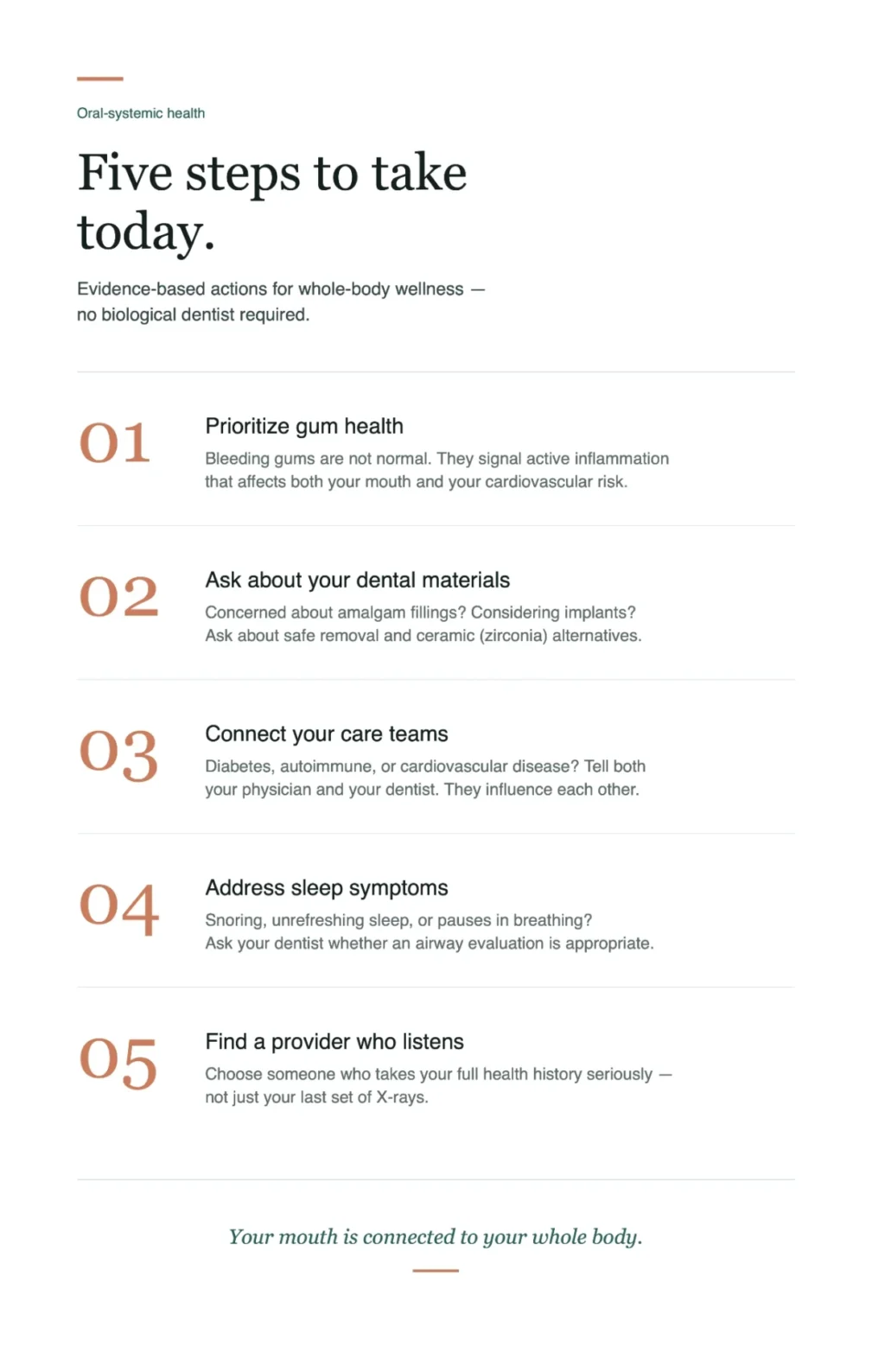
You don’t need to seek out a biological dentist to start supporting your oral-systemic health. Here are evidence-based steps any patient can take:
Prioritize gum health. Bleeding gums are not normal. They are a sign of active inflammation that deserves attention — both for your mouth and your cardiovascular risk.
Ask about your dental materials. If you have existing amalgam fillings and are concerned, ask your dentist about safe removal options. If you are having implants placed, ask about ceramic (zirconia) alternatives to titanium.
Connect your medical and dental teams. If you have diabetes, autoimmune disease, cardiovascular disease, or chronic inflammation, let both your physician and dentist know. These conditions influence each other.
Address sleep symptoms. If you snore, wake unrefreshed, or have been told you stop breathing during sleep, ask your dentist if an airway evaluation is appropriate.
Find a provider who listens. The oral-systemic connection requires a provider who takes your full health history seriously — not just your last set of X-rays.
A Different Way of Thinking About Dental Care
We see patients from Richmond, Northern Virginia, Washington D.C., and across the country who are searching for dental care that aligns with their broader health values. Many have chronic conditions. Many are frustrated by conventional care that treated their symptoms without asking why. Many are simply health-conscious individuals who believe — correctly — that what goes into their body matters.
Biological dentistry embraces modern science to emphasize root-cause and prevention more than reactive approach to oral health. It is about using most advanced technologies and scientific knowledge in service of the whole patient — with materials that are proven safe and least reactive for patient biology, techniques that are minimally invasive, and a diagnostic framework that connects the mouth to every other system in the body.
The link between your teeth and your body is not a theory. It is well-documented, clinically significant, and deserving of serious attention from every patient and every provider.
Your mouth is not separate from your health. It is part of it.
Dr. Olivia Hart is a Board-Certified Integrative Biological Dentist and Board-Certified Naturopathic Dentist practicing at Virginia Biological Dentistry in Glen Allen, Virginia. She is an Accredited Member of the International Academy of Oral Medicine and Toxicology (IAOMT), a Certified Biological Dentist of the International Academy of Biological Dentistry and Medicine (IABDM), and a lead educator at the SDS Ceramic Implant Institute.
Other Articles You May Find of Interest...
- Why Your Teeth May Look Healthy but Still Need Dental Attention
- What Goes Into Developing an Alcohol-Free Mouthwash Beyond the Ingredient List
- 6 Best Dentist Options in Reston, Virginia for Family, Cosmetic, and Emergency Care
- Why Comprehensive Dental Care Matters at Every Stage of Life
- Why Preventive Dental Care Matters at Every Stage of Life
- Colored Braces: A Practical Guide for Teens and Parents in the UAE
- Brushing Teeth for Kids: Secrets to Making Healthy Habits Actually Stick