






More Dental Health Articles
The Benefits of Choosing Toothpaste Without SLS for Healthier Smiles
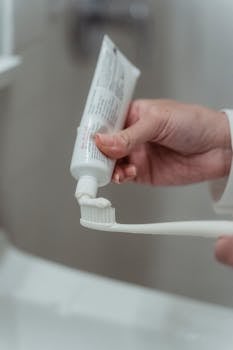
In today’s quest for better oral hygiene, many people are reevaluating their toothpaste choices. As we learn more about the ingredients found in our everyday products, there’s increased interest in toothpaste without SLS, or sodium lauryl sulfate. This ingredient is commonly used as a detergent and surfactant, giving toothpaste its foaming action. However, some prefer to avoid it due to potential irritations and its industrial origins.
Why Consider Toothpaste Without SLS?
Choosing a toothpaste without SLS can be beneficial for several reasons. For individuals with sensitive mouths, SLS can exacerbate conditions such as canker sores or dry mouth. Its drying effect might alter the delicate balance of the mouth’s ecosystem, leading to discomfort or even oral diseases for some users.
Moreover, while SLS is widely used in various personal care products, its industrial applications, such as in floor cleaners and engine degreasers, raise concerns about its suitability as a dental care component. Opting for SLS-free toothpaste may help those sensitive to this element avoid unnecessary irritation without compromising their oral health routines.
Alternatives and Ingredients to Look For
If you’re considering a switch, there are many alternatives available. Toothpaste brands increasingly offer SLS-free options, incorporating natural ingredients such as coconut oil, baking soda, or essential oils. These components can cleanse as effectively, sometimes offering additional benefits like antibacterial properties.
Popular alternatives may include toothpastes that use silica for gentle cleaning, xylitol for its anti-cavity properties, and aloe vera for soothing irritated tissues. Reading labels and understanding each ingredient can empower choices that align with individual values and sensitivities.
Potential Health Benefits
While research is ongoing, some studies suggest that toothpaste without SLS might reduce the frequency of canker sores. This benefit alone is a compelling reason for those who regularly struggle with these painful lesions to consider an SLS-free option. Additionally, reducing the foaming action, which some argue is more of an aesthetic feature than a dental necessity, may encourage thorough brushing as users focus more on technique than the lather.
Recommended Practices for Using Toothpaste
When transitioning to a new type of toothpaste, it’s crucial to maintain complete oral hygiene practices. Regardless of the toothpaste type, brushing twice a day, flossing, and regular dentist visits remain the foundation of good dental health.
For a smoother transition, gradually introduce the new toothpaste and assess any changes in oral comfort. Consulting with a dentist can offer additional insights into the efficacy and appropriateness of specific products based on individual dental health needs.
To further integrate better dental practices into your lifestyle, consider these 8 tips for smart use and lifestyle integration.
Deciding the Best Option for You
Navigating the wide variety of toothpaste can be overwhelming. A personalized approach considering dental history and specific concerns, such as sensitivity or a predisposition to canker sores, can guide a more informed decision.
Be sure to prioritize products with the ADA (American Dental Association) Seal of Acceptance. This mark indicates the product’s effectiveness in maintaining oral health and adapting to consumer needs. For further information on SLS and its alternatives, you can visit this resource on health.
Ultimately, the choice of toothpaste, whether traditional or SLS-free, should align with your oral health goals and personal preference, fostering a healthier smile.
Conclusion: Embrace a Healthier Smile
In conclusion, opting for toothpaste without SLS can be a personal decision that aligns with a broader awareness of health and wellness products. While some users may find it improves their dental comfort, others might appreciate the reassurance of fewer industrial ingredients in their hygiene products. Making an informed decision about toothpaste is another step towards comprehensive oral health management.
- Toothpaste without SLS can benefit those with sensitive mouths.
- Numerous natural alternatives exist, promoting gentle yet effective cleaning.
- Consistent oral hygiene practices remain vital regardless of product choice.
- Consulting dental professionals can guide personalized decision-making.
- Emphasize products with verified safety and efficacy seals where available.
What is SLS and why is it used in toothpaste?
SLS, or sodium lauryl sulfate, is a chemical compound used for its surfactant and foaming properties. It helps distribute the toothpaste evenly in the mouth but mainly serves an aesthetic purpose.
How does SLS-free toothpaste benefit people with canker sores?
For those prone to canker sores, SLS can act as an irritant, potentially increasing their frequency. SLS-free toothpaste may reduce these occurrences, providing relief from discomfort.
Can SLS-free toothpaste clean as effectively as regular toothpaste?
Yes, SLS-free toothpaste can be just as effective. Ingredients like silica and xylitol can clean teeth and provide additional benefits such as strengthening enamel and preventing cavities.
Are there any risks associated with using SLS-free toothpaste?
Generally, there are no significant risks with SLS-free toothpaste. However, effectiveness and personal comfort can vary among different formulations, so some trial and error might be necessary.
Should everyone switch to SLS-free toothpaste?
Not necessarily. While SLS-free toothpaste may offer benefits for some, others may not experience any issues with SLS. It ultimately depends on individual preferences and dental health needs.
Other Articles You May Find of Interest...
- 5 Best Toothpastes for Plaque Removal: Why Your Current Toothpaste Isn’t Cutting It
- How to Choose the Right Toothpaste for Your Family’s Dental Needs
- How to Choose the Right Dentist for Your Family in Toronto
- How Dental Nutrition Supplements Support Strong Teeth And Gums
- Braces Treatment Options and Their Benefits Explained
- How Cosmetic Dentistry in Naples Transforms Smiles and Confidence
- What to Do if You’re Missing a Tooth: Solutions and Health Impacts




