






1350 Connecticut Ave NW
Suite 305
Washington, DC 20036
202-887-5441
More Dental Health Articles
Silent Progression
Why Periodontal Disease Often Goes Undetected
Periodontal disease is one of the most common chronic inflammatory conditions affecting adults, yet it frequently advances without obvious symptoms. Unlike dental caries, which often cause pain or sensitivity early on, periodontal disease can progress quietly—sometimes for years—before patients realize significant damage has occurred.
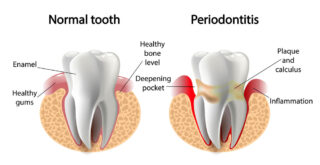
The disease begins with bacterial plaque accumulation along and beneath the gumline. If not adequately removed, these bacteria trigger an immune response that leads to inflammation of the gingival tissues. Over time, this inflammatory process causes the breakdown of connective tissue attachment and resorption of alveolar bone. As bone support is lost, periodontal pockets deepen, teeth loosen, and gums recede, allowing further bacterial colonization and accelerating disease progression.
One of the most challenging aspects of periodontal disease is that patients often adapt to early warning signs. Mild bleeding during brushing, occasional gum tenderness, or chronic bad breath are commonly dismissed as minor issues rather than indicators of active infection. By the time tooth mobility or gum recession becomes noticeable, significant structural damage may already be present.
Systemic health factors can further influence disease severity. Conditions such as diabetes, cardiovascular disease, and autoimmune disorders are associated with heightened inflammatory responses, increasing susceptibility to periodontal breakdown. Smoking, smokeless tobacco, vaping and chronic stress also impair immune regulation and tissue healing, compounding risk.
Early diagnosis is critical. Comprehensive periodontal examinations—including probing depths, bleeding indices, gingival recession, teeth mobility, radiographic evaluation, and assessment of risk factors—allow clinicians to identify disease at stages where intervention is more predictable and less invasive. Modern periodontal therapy focuses not only on bacterial reduction but also on long-term inflammation control and tissue stability.
When detected early, periodontal disease can often be managed with non-surgical therapy and structured maintenance programs. In more advanced cases, surgical and regenerative techniques may be required to restore lost support and preserve remaining dentition. The goal in all cases is disease control—not merely symptom relief.
Periodontal health is foundational to oral function, comfort, and long-term tooth retention. Regular evaluations and timely intervention remain the most effective strategy for preventing irreversible damage and maintaining oral health over a lifetime.
Other Articles You May Find of Interest...
- 5 Best Toothpastes for Plaque Removal: Why Your Current Toothpaste Isn’t Cutting It
- How to Choose the Right Toothpaste for Your Family’s Dental Needs
- How to Choose the Right Dentist for Your Family in Toronto
- How Dental Nutrition Supplements Support Strong Teeth And Gums
- Braces Treatment Options and Their Benefits Explained
- How Cosmetic Dentistry in Naples Transforms Smiles and Confidence
- What to Do if You’re Missing a Tooth: Solutions and Health Impacts



