






Your Health Magazine
4201 Northview Drive
Suite #102
Bowie, MD 20716
301-805-6805
More Dental Health Articles
How Seasonal Allergies Can Impact Your Dental Health
Sneezing, congestion, and itchy eyes. Most people already know how brutal seasonal allergies can be. What almost nobody talks about is what they quietly do to your teeth and gums.
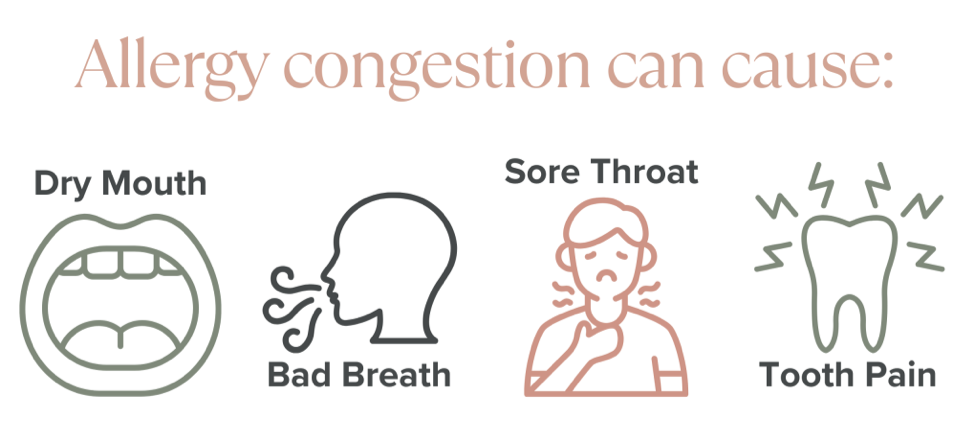
When allergies hit, mouth breathing increases, saliva drops, sinus pressure rises, and inflammation spikes. That combination creates the perfect storm for tooth sensitivity, dry mouth, bad breath, gum irritation, and even a higher risk of cavities. Many patients mistake these symptoms for unrelated dental problems, delaying treatment while the damage builds.
Understanding the connection between seasonal allergies and oral health helps you prevent avoidable dental issues before they turn into expensive procedures.
What is a Seasonal Allergy and When Does it Happen
A seasonal allergy is an allergic reaction that occurs at certain times of the year (mostly in extreme weather of summer, rain, or winter) when outdoor allergens like pollen, mould spores, or dust mites are more prevalent. The body reacts to harmless environmental substances through an allergic response, which is commonly called Allergic rhinitis. The common symptoms of seasonal allergy include sneezing, a runny or blocked nose, itchy or watery eyes, and throat irritation.
Seasonal allergies happen when your immune system misidentifies dangerous invaders from the airborne particles, such as tree pollen in spring and ragweed in fall. The body responds by releasing chemicals such as histamines, which cause both inflammation and discomfort. The primary symptoms target the respiratory system but also affect your dental health through dry mouth, increased mouth breathing, and sinus pressure that extends to your teeth and jaw.
What Happens in Your Mouth During Allergy Season
You may experience these conditions during allergy season. Let’s discuss in detail.
1. Dry Mouth and Reduced Saliva Flow
People with seasonal allergies experience nasal blockage, which leads them to breathe through their mouths instead of their nostrils. Mouth breathing causes oral tissues to become dry while it reduces the amount of saliva produced in the body. The body depends on saliva to remove food particles and dangerous bacteria from the mouth. So the absence of saliva results in faster bacterial multiplication, which heightens the chances of developing tooth decay and gum disease.
Also, many antihistamine medications that are prescribed to treat allergy symptoms have a typical side effect that reduces saliva flow, which results in a worsened dry mouth condition.
Why this matters: Saliva functions to neutralise acids and eliminate microbes from the mouth. The presence of less saliva in the mouth helps to make an environment that promotes bacterial growth and serves as the primary cause for dental cavities and gum disease.
2. Postnasal Drip and Bad Breath
Allergy sufferers often experience postnasal drip, which produces mucus that runs down their throat. The mucus creates a coating in the mouth, which boosts bacteria growth that results in bad breath known as halitosis.
Bad breath can be a social concern and may be a sign of an underlying oral health imbalance if persistent.
3. Gum Irritation and Inflammation
Allergen exposure causes your body to produce histamines, which result in inflammation that affects multiple body parts, including your gum tissues. The nasal congestion caused by seasonal allergies results in swollen gums that make it difficult for people to brush their teeth and floss their mouths.
People need to adopt soft yet effective cleaning methods throughout their peak allergy season because the body develops gingivitis through irritation and swelling resulting from improper oral hygiene practices that go unaddressed.
4. Sinus Pressure Mimicking Tooth Pain
The roots of your upper teeth emerge from their sockets near the boundaries of your sinus cavities. During allergy season, when your sinuses become inflamed or congested, you will experience a persistent pain that feels like pressure inside your upper teeth. People sometimes misinterpret this sensation as a dental issue.
Tip: The discomfort determines its relationship to allergy symptoms because it increases when your sinus pressure decreases. Still, a thorough examination by a dentist is recommended to rule out this type of dental issue.
Long‑Term Impacts & Why You Should Care
Below are the long-term effects of seasonal allergies, which is why you should care about this problem.
Mouth Breathing and Oral Health
People who breathe through their mouths develop chronic mouth breathing, which reduces their ability to detect their dry mouth problems created by their ongoing allergy symptoms. The condition produces changes in oral pH, which result in increased microbial exposure to oral tissues, making the body more vulnerable to gum disease and infections.
Children who breathe through their mouths due to allergic rhinitis show an urgent need for dental fillings, while their risk of developing caries has also risen.
Practical Strategies to Protect Your Oral Health
Stay Hydrated
Drink plenty of water throughout the entire day because it helps create saliva and maintains moisture in your mouth.
Boost Oral Hygiene
Brush your teeth two times each day using fluoride toothpaste and floss at least once to eliminate the bacteria that cause dry mouth and create postnasal drip.
Use a Humidifier
People who experience allergy season will benefit from indoor air moisture because it helps decrease their dry mouth problems, especially at night.
Talk With Your Dentist
Schedule a dental examination with a dental professional when you experience ongoing tooth sensitivity, gum irritation, or chronic dryness that will not resolve through allergy management methods.
Review Allergy Treatment Options
Patients should ask their healthcare provider about allergy relief options through different medications and nasal sprays, which will not intensify their dry mouth condition.
When to Seek Professional Care
If you experience any of these symptoms during allergy season, consult your dentist:
- Persistent bad breath even after brushing and rinsing thoroughly
- Regular bleeding or swelling of the gums
- Unusual sensitivity or pain in the teeth that does not match typical allergy patterns
- Excessive dry mouth that makes eating or speaking difficult
Patients need to disclose their allergy medication use to their dentist before dental procedures because allergy medications can interact with either dental treatment or anaesthesia.
Final Thoughts
Understanding how seasonal allergies can affect your dental health empowers you to take steps to protect both your oral health and overall well-being. By staying hydrated, maintaining good oral hygiene, and consulting healthcare professionals when needed, you can effectively manage allergy-related dental problems.
Other Articles You May Find of Interest...
- Effective Solutions: Finding the Right Mouthwash for Thrush
- How Misaligned Teeth Affect Digestion and Nutrition
- How to Choose the Best Cosmetic Dentist in Palo Alto for a Natural-Looking Smile
- Relief Strategies for Alleviating Roof of Mouth Burn
- What Are the Signs You Need a Dental Crown?
- Causes and Remedies for a Swollen Jaw: What You Need to Know
- A Gorgeous Smile Starts with Happy Jaws



