






More CPR Training Articles
What Is a SANE Exam and Why Is It Important for Survivors?
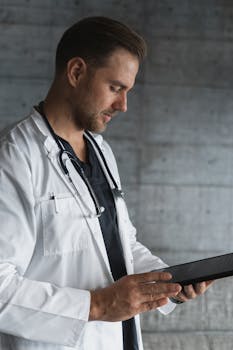
For individuals who have experienced sexual assault or abuse, understanding what options are available for support and justice is crucial. One of the most important resources is a SANE exam, which stands for Sexual Assault Nurse Examiner exam. This exam plays a significant role in both the healthcare and legal avenues following an assault. But what is a SANE exam and what makes it so critical for survivors?
What Is a SANE Exam?
A SANE exam is a medical and forensic examination conducted by a specially trained nurse in the immediate aftermath of a sexual assault. These registered nurses have completed extra training that allows them to provide comprehensive care to survivors of sexual violence. Not only do they offer medical evaluation and treatment, but they also collect forensic evidence that can be pivotal in any subsequent legal proceedings.
The goal of a SANE exam is twofold: to ensure the physical wellbeing of the victim and to gather evidence that might be used in the investigation of the crime. The SANE exam process can help reduce trauma for victims by providing compassionate and competent care in an environment dedicated to respecting their needs. This holistic approach addresses both the immediate and longer-term needs of survivors.
Why Is a SANE Exam Important?
The importance of a SANE exam cannot be overstated. Forensic evidence collected during the exam may be critical in legal proceedings. The credibility and thoroughness of the evidence collected by a SANE can play a decisive role in the prosecution of sexual assault cases. Moreover, it ensures that the victim is treated with the utmost care and dignity at a time of acute vulnerability.
Survivors who undergo a SANE exam receive medical care for any injuries, prophylactics to prevent sexually transmitted infections, and emergency contraception. This immediate medical intervention can be crucial in the recovery process. The compassionate support provided by SANEs helps victims understand their options and provides them with a connection to further support services, such as counseling or advocacy groups.
The Procedure of a SANE Exam
When a victim arrives for a SANE exam, they can expect to undergo several steps. The process can vary somewhat based on location and individual needs, but generally follows a consistent structure to maintain high standards of care and forensic integrity.
Initially, the victim will go through a thorough interview to collect details about the assault. This initial report guides the examination and evidence collection. Next, vital signs are checked, and a physical examination is conducted. This process helps in assessing any injuries or required treatments.
Forensic evidence collection follows, during which samples such as clothing, hair, and bodily fluids may be collected if the survivor consents. The evidence collected during this process can be crucial in building a legal case against the assailant. Lastly, victims receive medical care and referrals for follow-up services.
Consent and Choice
It is essential to understand that all aspects of the SANE exam are voluntary. No part of the examination is conducted without the explicit consent of the survivor. This process is designed to empower survivors, ensuring they maintain autonomy over their bodies and decisions.
In many cases, survivors can choose what information they want to share with law enforcement. If a survivor is unsure about pressing charges immediately, they can still choose to have evidence collected and the decision can be made at a later time. This flexibility is an integral part of the healing process and respects the varying needs of survivors.
Further Support and Resources
Following a SANE exam, victims are encouraged to connect with additional resources for ongoing support. Medical follow-ups, counseling, and connections to advocacy groups can aid in recovery and help survivors regain control over their lives.
For insight into additional aspects of health and recovery, consider reading our article on how lifestyle choices can impact overall health.
To learn more about the role of SANEs and the services they provide, you can explore detailed information on forensic nursing on Wikipedia.
Understanding what is a SANE exam prepares individuals to make informed choices in the aftermath of sexual violence. This empathetic approach to care and the pursuit of justice is a vital part of supporting survivors in their recovery journey.
- A SANE exam provides both medical care and gathers forensic evidence.
- SANE nurses are specially trained to handle cases of sexual assault.
- The exam can be crucial in legal proceedings and survivor recovery.
- Consent and survivor autonomy are central to the examination process.
- Ongoing support resources are available following a SANE exam.
FAQs
Who conducts a SANE exam?
A SANE exam is conducted by a Sexual Assault Nurse Examiner, a registered nurse with specialized training in forensic and medical care for victims of sexual assault.
How soon should a SANE exam be performed?
A SANE exam is most effective when conducted as soon as possible after an assault, ideally within 72 hours, to ensure accurate evidence collection.
What is the duration of a SANE exam?
A SANE exam typically takes anywhere from 2 to 4 hours, depending on the circumstances and the amount of evidence collected.
Is it mandatory to report the assault to law enforcement to have a SANE exam?
No, it is not mandatory to report the assault to law enforcement to receive a SANE exam. Victims can decide later whether or not to proceed with legal action.
What happens to the evidence collected in a SANE exam?
The evidence from a SANE exam is stored securely and can be used in legal proceedings if the victim chooses to report the assault. It is typically kept for a period of time specified by local laws.
Other Articles You May Find of Interest...
- What Is a SANE Exam and Why Is It Important for Survivors?
- The Vital Role of Continuous Compressions in Cardiac Care
- Achieving Return of Spontaneous Circulation: Key Insights for Emergency Response
- What Does the C4 Laboratory Test Reveal About Your Health?
- Unlocking the Secrets of Modifier 58 for Enhanced Medical Billing
- Train. Certify. Save Lives.
- Preparedness as Wellness: How Learning First Aid & CPR Complements Healthy Living



