






More Counseling Articles
Revolutionizing Trauma Care with REBOA Techniques
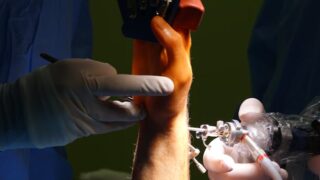
The concept of resuscitative endovascular balloon occlusion of the aorta (REBOA) is gaining attention in trauma care as an innovative procedure that could transform the way severe bleeding is managed. REBOA is particularly useful in pre-hospital and emergency settings where rapid intervention is essential for patients suffering from life-threatening hemorrhages. By understanding the potential of REBOA, healthcare professionals can explore new pathways to stabilize patients before definitive care is administered.
Understanding REBOA
REBOA is a minimally invasive procedure designed to control bleeding by temporarily occluding blood flow in the aorta. This allows healthcare providers to manage a patient’s hemodynamics during critical moments following traumatic injuries. In situations involving severe torso trauma, particularly in the abdomen or pelvis, REBOA can be a lifesaver by helping to maintain perfusion to vital organs while surgical teams prepare for further interventions.
The Mechanics of REBOA
The REBOA technique involves the insertion of a catheter with an inflatable balloon into the aorta. Once in place, the balloon is inflated to occlude the artery, thereby controlling distal hemorrhage. This method can be especially advantageous as it provides an alternative to traditional open surgery, reducing the need for an immediate large incision and potentially lowering the risk of complications.
Applications and Benefits
REBOA is primarily used in trauma situations where internal bleeding is suspected. Key benefits include rapid deployment in emergency settings and the potential for improved survival rates among patients with traumatic hemorrhagic shock. While its use has been more common in military settings, REBOA is increasingly being adopted in civilian trauma care.
The technique is being studied to evaluate its full range of applications beyond trauma, such as in cases of ruptured ectopic pregnancies or during certain surgical procedures where blood loss is a concern. As research continues, the indications for REBOA could expand, offering even greater utility in emergency medicine.
REBOA in Trauma Care Protocols
Integrating REBOA into trauma care protocols requires specialized training for emergency medical personnel. This ensures that the procedure is performed safely and effectively, minimizing risks to the patient. The training focuses on the precise placement of the catheter and the correct inflation of the balloon to ensure optimal outcomes.
Healthcare facilities considering REBOA must also evaluate logistical factors such as equipment availability and the preparedness of surgical teams to perform further necessary interventions. This preparation is crucial as REBOA serves as a bridge to more definitive surgical management.
Challenges and Considerations
While REBOA offers significant benefits, there are potential challenges and limitations to its widespread use. Proper patient selection is critical, as not all trauma patients will be suitable candidates for the technique. Additionally, complications such as ischemia of non-perfused regions, balloon migration, or aortic injury must be carefully monitored.
Furthermore, comprehensive data and robust studies are needed to fully establish the efficacy and safety profile of REBOA. This ongoing research will help refine indications and improve procedural guidelines, ultimately enhancing patient outcomes.
To learn about other innovative approaches in healthcare, you may be interested in exploring safe and effective weight loss strategies that are similarly impacting wellness and treatment protocols.
The Future of REBOA Research
As REBOA continues to be integrated into more trauma systems globally, future research will likely focus on optimizing its implementation and identifying best practices. Collaborative efforts among trauma centers, research institutions, and military medical units could accelerate advancements and broaden the recognition of REBOA’s value in emergency medicine.
One promising aspect of future research is the development of next-generation REBOA devices, which may feature enhanced safety mechanisms and ease of use. Such innovations would make REBOA more accessible and effective across a wider range of medical settings.
For more detailed information on the REBOA procedure and its implications in healthcare, further resources are available through official channels such as this Wikipedia article on REBOA.
In conclusion, REBOA presents a transformative opportunity for trauma care, potentially saving lives and improving outcomes in critical situations. As the procedure becomes more refined and widely implemented, it will be essential for healthcare providers to stay informed about ongoing developments and integrate the best practices into their trauma protocols. By leveraging REBOA, medical teams can offer more targeted and effective responses to severe traumatic injuries.
Takeaways
- REBOA is a minimally invasive procedure that temporarily occludes the aorta to control bleeding.
- It provides a critical bridge in trauma care to manage bleeding before surgery.
- Proper training and patient selection are essential for safe and effective REBOA use.
- Ongoing research and innovation are expanding REBOA’s potential applications.
- Access further information about REBOA and its future in trauma care.
FAQs
What is REBOA used for?
REBOA is used to control severe internal bleeding, particularly in trauma cases involving the abdomen and pelvis. It temporarily blocks blood flow in the aorta to stabilize the patient before definitive care is provided.
How is REBOA performed?
A catheter is inserted into the aorta, and a balloon on the catheter is inflated to occlude blood flow. This allows healthcare providers to control bleeding while preparing for further interventions.
What are the benefits of REBOA over traditional surgery?
REBOA is less invasive than open surgery, can be deployed more rapidly, and reduces the immediate need for large incisions, potentially lowering patient risk and recovery time.
Are there risks associated with REBOA?
While advantageous, REBOA may present risks such as ischemia, balloon migration, or aortic injury. Proper training and careful patient selection are critical to minimizing these risks.
Where can I find more information about REBOA?
Further information on REBOA can be found on educational websites and official medical resources, such as the Wikipedia page on REBOA, offering comprehensive insights.
Other Articles You May Find of Interest...
- Revolutionizing Trauma Care with REBOA Techniques
- The Secrets of Monjuaro for Better Health and Wellness
- Breaking Free from Deception: Effective Strategies for Compulsive Lying Treatment
- What Is Bulkamid and How Can It Improve Your Health?
- What Does a Low MPV in Your Blood Test Mean for Your Health?
- Navigating Love: Overcoming the Challenges of Avoidant Attachment Style in Relationships
- Navigating the Journey of the 6 Stages of Grief




