More Complementary & Integrative Healthcare Articles
The Connection Between Sleep, Anxiety, and Carefully Selected Cannabis Strains
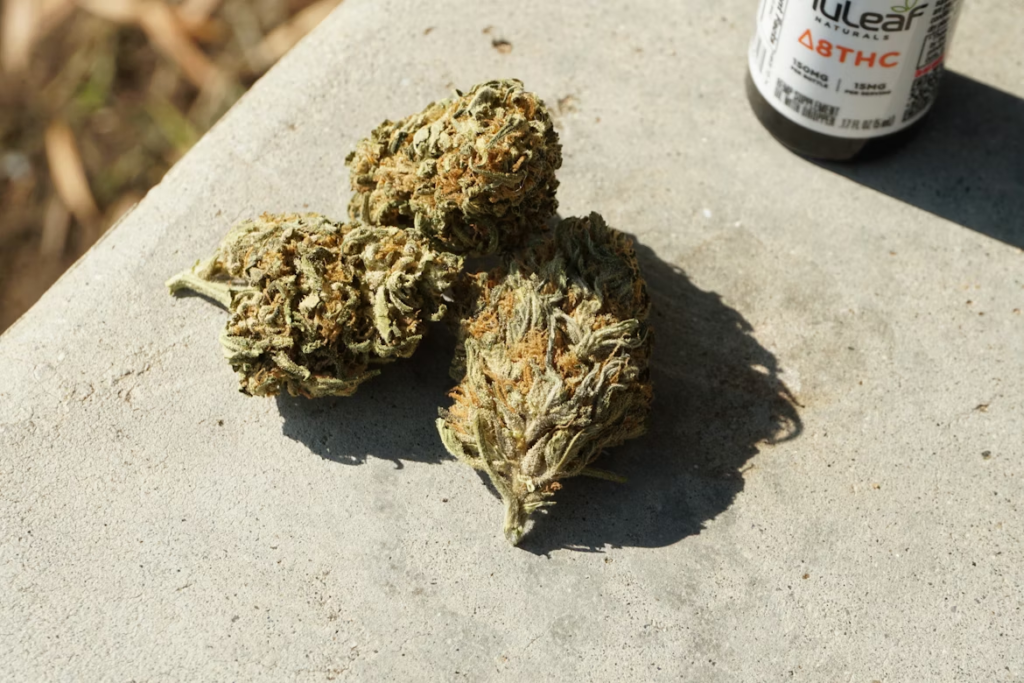
Struggling to fall asleep because your brain just won’t shut off?
Anxiety and sleep have a frustrating relationship that plagues millions nightly. Anxiety makes your sleep worse and bad sleep can… make you anxious. It’s a vicious little cycle.
Here is the good news:
The right strain of cannabis (chosen purposefully, not randomly) can help reverse that cycle. It’s all about choosing the right cultivar, cannabis flowering time and cannabinoid profile your body is looking for.
In this guide:
- The Sleep & Anxiety Loop That Won’t Quit
- Why Cannabis Strain Selection Actually Matters
- Cannabis Flowering Time And Why It Affects Potency
- How To Pick The Right Strain For Sleep & Anxiety
The Sleep & Anxiety Loop That Won’t Quit
Anxiety ruins sleep. Bad sleep causes more anxiety the next day. Most people just accept it.
Did you know? In a 2024 poll, 68% of respondents said their sleep was impacted by anxiety. That number increased to 74% when respondents were polled about stress. Two out of three adults are walking around sleep deprived because their nervous system refuses to relax.
It gets worse…
Worldwide, it’s estimated that 852 million adults suffer from insomnia. Insomnia has a worldwide prevalence of 16.2%. Insomnia is not little problem. Insomnia is a massive public health issue that prescription sleep meds have failed to adequately address.
Cannabis makes sense to so many people for these reasons. By selecting strains bred specifically for sedative or anxiolytic cannabinoid profiles using feminized seeds and growing them properly, growers can tailor plants to have the precise ratio of cannabinoids their patients require. Then the cannabis flowering time of the plant will determine just how potent that final flower will be and that is a big deal covered below.
But first… why does cannabis even help with this stuff?
Why Cannabis Strain Selection Actually Matters
Not all cannabis is created equal.
Most consumers choose a strain based on what it’s called on the jar. Do not do that. The cannabinoid content (particularly THC:CBD ratio) and terpene combination are what affect the plant’s impact on sleep/anxiety. The name on the jar means almost nothing.
[Here is the key:]
Research indicates CBD-rich strains and indica-leaning hybrids typically offer more relaxing effects. Sativa-dominant strains often produce energizing effects – this isn’t ideal when trying to sleep at 2am.
One study, which took place at a psychiatric clinic and was published retroactively, showed that anxiety scores were lowered during the first month of CBD use in 79.2 percent of patients. Sleep improvements were reported by 66.7 percent of patients during the first month as well. That’s significant for a substance that isn’t regulated by a prescription in most regions.
Here is what to look for in a strain:
- Higher CBD to THC ratio: CBD calms without the heavy psychoactive hit
- Indica-dominant or balanced hybrid: more sedating, less racy
- Terpene profile rich in myrcene & linalool: these are naturally relaxing
- Tested cannabinoid content: so you actually know what you’re getting
If it doesn’t meet most of these criteria you likely won’t have found your sleep & anxiety strain.
Disclaimer Chronic heavy THC consumption can increase anxiety for some individuals. Studies support this. Moderation is key. Don’t load up with as much THC as you can. More THC isn’t better.
Cannabis Flowering Time And Why It Affects Potency
Here is something that gets ignored constantly…
A cannabis plant’s flowering time will determine its cannabinoid content — and thus affect a strain’s sleep and anxiety altering effects. Generally, cannabis plants take between 7-12 weeks to flower. Most indicas have a shorter cannabis flowering time of around 7-9 weeks, while sativas can take between 10-12+ weeks to flower.
Why does this matter?
If you harvest cannabis too soon cannabinoids haven’t developed completely. Potency is lower, there’s less sedation and often more of a “racy” high — what you want least if you’re feeling anxious. Wait till cannabinoids are fully developed for maximum calm.
This is why growers obsess over flowering time. Harvesting too early can:
- Reduce CBD content significantly
- Leave terpenes underdeveloped
- Create a more anxiety-inducing flower
- Waste weeks of grow effort
Optimal cannabis flowering time is reached when trichomes change from clear to milky white (and sometimes amber) before harvest. Waiting that long really pays off.
It really is that important.
How To Pick The Right Strain For Sleep & Anxiety
Picking a strain shouldn’t be guesswork. Here’s the process:
Match The Cannabinoid Profile To Your Needs
If anxiety is your primary concern with only slight sleep issues, opt for high-CBD strains. There appears to be an inverted U-shaped dose response curve for CBD as an anxiolytic. The minimal effective dose will likely be about 300 mg per dose. Meaning: If you don’t take enough, it won’t do anything. But if you take too much, you also won’t see increased benefits.
If you’re primarily suffering from extreme difficulty falling asleep then an indica with medium THC and a good amount of myrcene will usually serve you better.
Watch The Inflammatory Profile
Research into cannabis and anxiety published in 2024 revealed that… Chemovars higher in CBD showed greater consistency in improving negative affect and sleep quality, while THC effects on these outcomes appeared dependent on baseline inflammatory state. Translation: If you have inflammation problems, CBD dominant strains will be more consistent for you.
Track Your Response
This part is non-negotiable. Keep a simple log of:
- The strain you tried
- How much you used
- How you slept
- How you felt the next day
Patterns emerge after about two or three weeks. You’ll learn what strains really work and what strains just knocked you out.
Don’t Build Tolerance
Heavy daily use dulls your experience. Take Days off. Rotate strains. Use the lowest effective dose. Developing a tolerance will make you need more and more to get the same feeling. That’s just counterproductive.
Final Thoughts
There is a link between sleep, anxiety and cannabis — but only if you pick the right strain. Grabbing random strains off a dispensary shelf won’t necessarily solve your problems. It’s the right combination of cannabinoid profile, properly cannabis flowering time and honest pairing of strain effects with your symptoms that will make a difference.
To quickly recap:
- Anxiety and sleep loops are extremely common (and getting worse)
- CBD-leaning, indica-dominant strains tend to be best for sleep and anxiety
- Cannabis flowering time directly affects strain potency
- Track your response and adjust — don’t just guess
Slow down, find the right terpene profile for your symptoms, and consider flower time if you grow or shop accordingly. That’s how you overcome your sleep/anxiety cycle.
Other Articles You May Find of Interest...
- Ayurvedic Medicine for Hypertension: Key Herbs, the Evidence and How to Use Them Safely
- A Peaceful Closing, A Hopeful Beginning
- The Language Of the Heart
- Kumbhaka: What Breath Retention Actually Is, And How To Practise It Safely
- Choosing a TCM Acupuncture Clinic in Singapore: Evidence, Registration and What to Expect
- The Paradigm Shift in Female Travel: Prioritizing Holistic Health
- Steam Room vs. Sauna: What Homeowners Should Know Before Buying