More Complementary & Integrative Healthcare Articles
How Oxygenated Water Supports Yoga Recovery and Athletic Performance
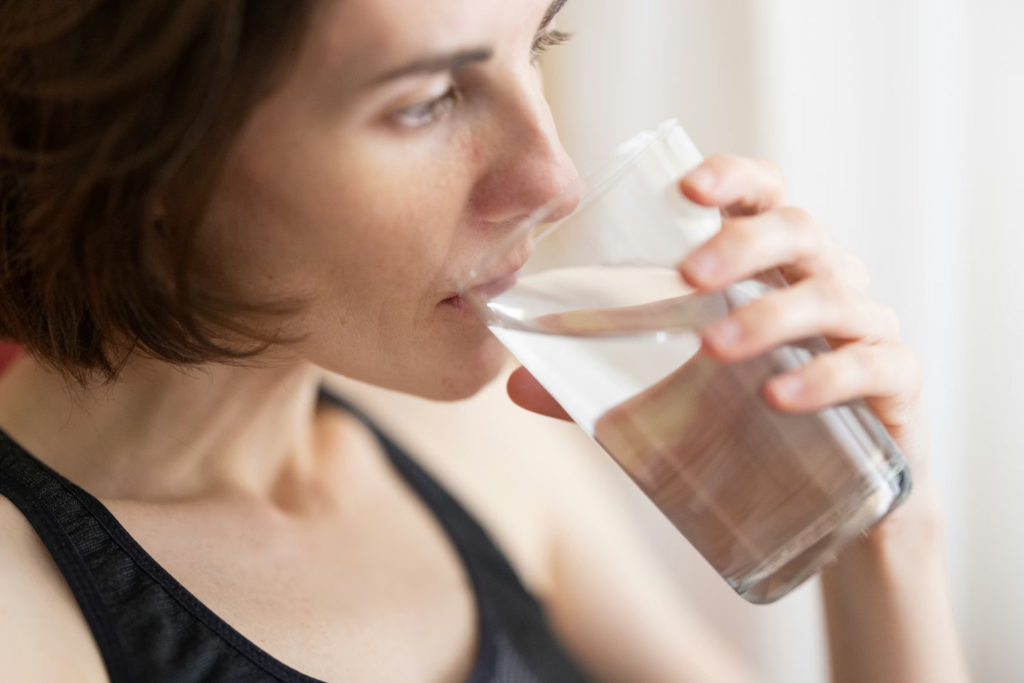
As athletes and yoga practitioners search for ways to optimize recovery, oxygenated water has emerged as a compelling option in the sports hydration landscape. This oxygen-enriched beverage promises faster muscle recovery and improved hydration—claims that have attracted attention from fitness enthusiasts looking to enhance their post-workout routines. While the science remains nuanced, understanding what oxygenated water offers can help you make informed decisions about your recovery strategy.
Understanding Oxygen-Infused Water
Oxygenated water undergoes a pressurization process that dissolves additional oxygen molecules into H2O, creating a beverage with significantly higher oxygen content than tap or bottled water. Manufacturers typically use specialized equipment to infuse oxygen under pressure, theoretically increasing the amount of dissolved oxygen available when consumed.
The premise centers on oxygen delivery to tissues. During intense physical activity, muscles consume oxygen rapidly, and proponents suggest that drinking oxygen-enriched water may help replenish what’s depleted. Research published examined whether oxygenated water affects athletic performance, finding mixed but intriguing results regarding lactate clearance and recovery markers.
- Pressurized Infusion: Oxygen is dissolved into water under controlled pressure, creating a stable solution with elevated O2 levels
- Cellular Oxygen Theory: The hypothesis suggests that additional oxygen in the digestive system may enhance oxygen availability to cells
- Differentiation from Regular Water: Standard water contains minimal dissolved oxygen, while oxygenated versions can contain 5-10 times more
Recovery Benefits for Yoga and Athletic Training
Post-workout recovery involves multiple physiological processes: clearing metabolic waste products, repairing muscle tissue, and restoring energy reserves. Oxygenated water may influence several of these mechanisms, particularly for practitioners of yoga and other endurance activities.
Muscle fatigue stems partly from lactate accumulation and oxygen debt in tissues. Some research suggests that enhanced oxygen availability could accelerate lactate clearance, potentially reducing the soreness that follows demanding vinyasa flows or strength-building poses. A study in the journal Nutrients explored how different hydration strategies affect recovery markers, noting that oxygen-enriched beverages showed promise in specific athletic contexts.
- Lactate Clearance: Faster removal of metabolic byproducts may reduce muscle soreness and stiffness
- Tissue Oxygenation: Improved oxygen delivery could support cellular repair processes during the recovery window
- Reduced Fatigue Perception: Athletes report feeling less exhausted when incorporating oxygenated water into their routines
- Circulation Support: Enhanced blood oxygen levels may promote better nutrient delivery to recovering muscles
For yoga practitioners specifically, recovery isn’t just about muscle repair—it’s about restoring the balance between effort and restoration that defines effective practice. Whether oxygenated water provides measurable advantages over traditional hydration methods depends on individual physiology and training intensity.
Comparing Recovery Beverage Options
The sports recovery drink market offers numerous options, from protein shakes to electrolyte solutions. Oxygenated water occupies a unique niche, distinguished by what it adds rather than what it contains in terms of calories or nutrients.
Traditional sports drinks focus on electrolyte replacement and carbohydrate replenishment—essential after prolonged, sweaty workouts. Protein-based recovery drinks prioritize muscle repair through amino acid delivery. Oxygenated water, by contrast, addresses the oxygen component of recovery without adding sugars, artificial ingredients, or significant calories.
Products such as INHALE Hydration reflect the continued evolution of this category, providing a clean hydration option for consumers who prefer minimal, additive-free formulations. The lack of artificial ingredients makes oxygen-infused water especially attractive to individuals following structured dietary protocols or those avoiding sweeteners commonly found in traditional sports drinks. Comparable brands like O2 Living and Oxygen Water also offer similar oxygen-enhanced hydration products within this niche market.
- Zero-Calorie Recovery: Unlike carbohydrate-heavy sports drinks, oxygenated water provides hydration without impacting caloric intake
- No Artificial Additives: Clean ingredient profiles appeal to health-conscious consumers avoiding synthetic compounds
- Complementary Use: Can be combined with protein or electrolyte supplementation for comprehensive recovery
- Digestive Ease: Lighter on the stomach than dense protein shakes, making it suitable for immediate post-workout consumption
The choice between recovery beverages ultimately depends on workout intensity, duration, and individual nutritional needs. High-intensity interval training may require carbohydrate replenishment that oxygenated water alone cannot provide, while moderate yoga sessions might benefit from simple, enhanced hydration.
Hydration Science and Performance Enhancement
Proper hydration forms the foundation of athletic performance and recovery. Even mild dehydration—as little as 2% body weight loss through fluid—can impair physical performance, cognitive function, and thermoregulation. The National Athletic Trainers’ Association emphasizes that maintaining fluid balance is critical for athletes across all disciplines.
Oxygenated water approaches hydration from a different angle than conventional wisdom suggests. Rather than simply replacing lost fluids, it aims to enhance the quality of hydration by increasing oxygen availability. This distinction matters for endurance athletes and yoga practitioners who engage in sustained physical activity where oxygen utilization becomes a limiting factor.
During yoga practice, particularly in heated environments or during challenging sequences, the body’s oxygen demands increase substantially. Muscles require oxygen for aerobic metabolism, and the brain needs adequate oxygenation to maintain focus and coordination. Whether drinking oxygenated water meaningfully impacts these processes remains an area of ongoing research, but anecdotal reports from practitioners suggest perceived benefits in stamina and mental clarity.
- Baseline Hydration: Maintaining fluid balance before, during, and after exercise prevents performance decrements
- Oxygen Utilization: Aerobic activities depend on efficient oxygen delivery to working muscles
- Cognitive Function: Brain performance suffers under dehydration, affecting coordination and decision-making
- Temperature Regulation: Adequate hydration supports sweating and heat dissipation during intense practice
Selecting Your Post-Workout Recovery Strategy
Choosing an effective recovery drink requires understanding your specific needs, training intensity, and physiological responses. Not all recovery beverages serve the same purpose, and what works for high-intensity CrossFit training may differ from what supports a restorative yoga practice.
Consider your workout’s metabolic demands. Intense strength training depletes glycogen stores and creates muscle damage requiring protein synthesis. Long-duration cardio demands electrolyte replacement and carbohydrate replenishment. Yoga and flexibility work, while less glycolytically demanding, still benefit from proper hydration and oxygen delivery to tissues.
Ingredient quality matters significantly. Many commercial sports drinks contain artificial colors, excessive sugars, and synthetic additives that may undermine overall health goals. Reading labels carefully and understanding what your body actually needs prevents unnecessary consumption of compounds that don’t support recovery.
- Match Intensity to Nutrition: High-intensity workouts require more comprehensive nutritional recovery than moderate activity
- Ingredient Transparency: Choose products with clear labeling and minimal artificial additives
- Individual Response: Pay attention to how different recovery strategies affect your energy, soreness, and subsequent performance
- Timing Considerations: Some recovery nutrients work best immediately post-workout, while others can be consumed within a broader window
- Budget and Accessibility: Sustainable recovery strategies must fit your lifestyle and financial constraints
Oxygenated water fits into recovery protocols as a clean, simple hydration option that may offer benefits beyond basic fluid replacement. It works particularly well for individuals seeking to avoid sugars and artificial ingredients while still supporting their body’s recovery processes.
Practical Integration into Your Routine
Successfully incorporating oxygenated water into your fitness regimen requires strategic timing and appropriate quantities. Unlike some supplements that demand precise dosing, oxygen-infused water functions primarily as enhanced hydration, making it relatively straightforward to use.
Pre-workout hydration sets the stage for optimal performance. Consuming 8-12 ounces of oxygenated water 15-30 minutes before practice ensures you begin adequately hydrated with elevated oxygen availability. During longer sessions—particularly heated yoga classes or extended training—sipping oxygenated water helps maintain hydration status without the heaviness of calorie-dense sports drinks.
Post-workout represents the critical recovery window when your body most efficiently absorbs nutrients and begins repair processes. Drinking 12-16 ounces of oxygenated water immediately after finishing helps kickstart recovery while your muscles are primed to utilize available resources. This can be combined with protein or other recovery nutrition based on your specific needs.
- Pre-Workout Protocol: 8-12 ounces 15-30 minutes before activity to establish baseline hydration
- During Exercise: Small sips throughout extended sessions, particularly in heated environments
- Immediate Post-Workout: 12-16 ounces within 30 minutes of finishing to support recovery initiation
- Throughout the Day: Can replace regular water for general hydration, though cost may be prohibitive for exclusive use
- Listen to Your Body: Adjust quantities based on sweat rate, exercise intensity, and individual hydration needs
Making Informed Decisions About Recovery
Oxygenated water represents an evolving category in sports nutrition, offering a unique approach to hydration and recovery. For yoga practitioners and athletes seeking clean, simple recovery options, oxygen-infused water provides benefits that extend beyond basic fluid replacement. The absence of sugars, artificial ingredients, and calories makes it particularly appealing for those following specific dietary approaches or simply preferring minimalist nutrition strategies.
The science supporting oxygenated water continues to develop, with research suggesting potential benefits for lactate clearance, perceived exertion, and recovery markers. While not a magic solution, it offers a legitimate tool in the broader recovery toolkit, particularly when combined with proper nutrition, adequate rest, and intelligent training programming.
As with any nutritional strategy, individual responses vary. What works exceptionally well for one person may provide minimal benefit to another. Experimenting with oxygenated water during training—not during important competitions or events—allows you to assess its impact on your specific physiology and recovery needs. Consulting with healthcare providers or sports nutritionists ensures your recovery strategy aligns with your overall health goals and any medical considerations.
Ultimately, effective recovery stems from consistent attention to multiple factors: hydration, nutrition, sleep, stress management, and appropriate training loads. Oxygenated water can enhance this comprehensive approach, offering a scientifically-grounded option for those seeking to optimize their post-workout recovery and athletic performance.
Other Articles You May Find of Interest...
- Ayurvedic Medicine for Hypertension: Key Herbs, the Evidence and How to Use Them Safely
- A Peaceful Closing, A Hopeful Beginning
- The Language Of the Heart
- Kumbhaka: What Breath Retention Actually Is, And How To Practise It Safely
- Choosing a TCM Acupuncture Clinic in Singapore: Evidence, Registration and What to Expect
- The Paradigm Shift in Female Travel: Prioritizing Holistic Health
- Steam Room vs. Sauna: What Homeowners Should Know Before Buying