Your Health Magazine Contributor
4201 Northview Drive
Suite 102
Bowie, MD 20716
More Commercial Cleaning Articles
Why Effective Surface Cleaning Is Essential in Modern Healthcare Facilities
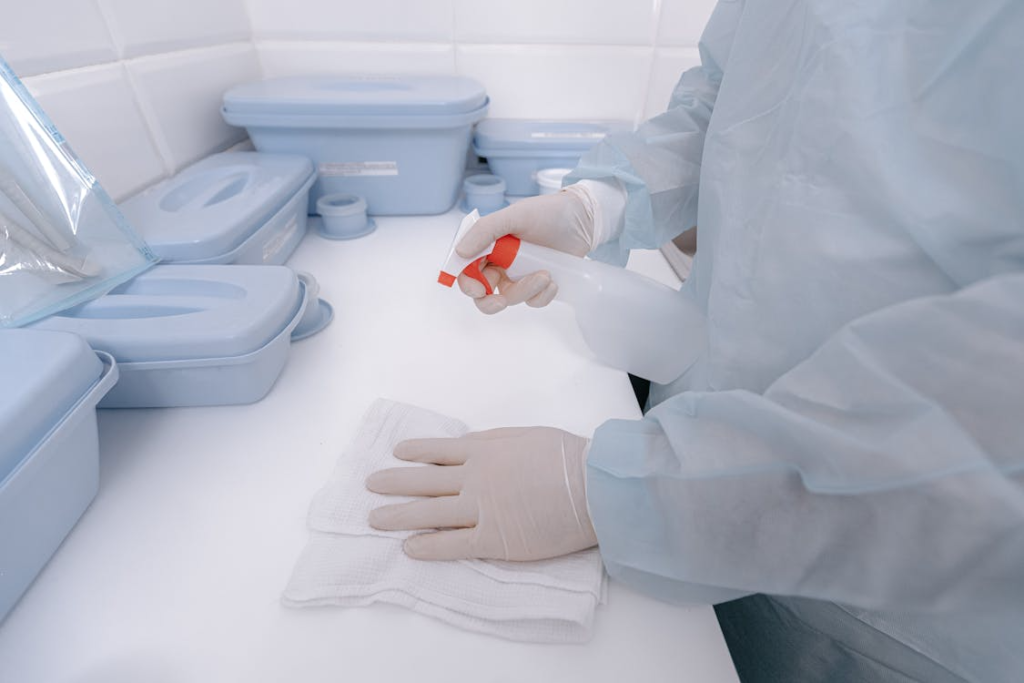
In healthcare facilities, every surface matters. From bed rails to door handles, countless people touch the same areas throughout the day. Patients, healthcare workers, and visitors regularly interact with these surfaces. This constant activity also means constant exposure to harmful pathogens. Without proper cleaning, these surfaces can quickly become sources of infection.
Effective environmental hygiene plays a vital role in preventing healthcare-associated infections (HAIs) and protecting both patients and healthcare workers. That is why structured cleaning protocols are essential in healthcare environments. When cleaning is performed correctly and consistently, surface hygiene becomes one of the first and most effective lines of defence in maintaining a safe healthcare environment.
The Role of Disinfectant Cleaners in Healthcare Surface Hygiene
In healthcare settings, keeping surfaces clean is not only about appearance. It is a fundamental part of infection prevention. Understanding the difference between cleaning, sanitising, and disinfecting helps clarify why different steps are required in healthcare environments.
Cleaning removes dirt, dust, and organic matter from surfaces. Sanitising reduces the number of germs to levels considered safe by public health standards. Disinfecting goes further by using chemicals designed to kill harmful microorganisms that can cause infections.
Because healthcare facilities care for vulnerable patients and are regularly exposed to pathogens, they rely on hospital-grade products developed for medical environments.
A reliable disinfectant cleaner is important because it performs two critical functions. It helps remove organic material, such as bodily fluids, while killing bacteria and viruses that may remain on surfaces.
Many dangerous pathogens can survive on frequently touched surfaces. These include MRSA, C. difficile, and norovirus. These organisms can spread quickly in hospitals, clinics, and long-term care facilities when surfaces are not properly disinfected.
Choosing the correct product is also important. Different surfaces and clinical areas may require specific disinfectants to ensure effective microbial control while protecting sensitive equipment. Using the appropriate disinfectant, along with proper application methods and the required contact time, helps healthcare teams maintain safer environments for patients and staff.
High-Touch Surfaces: Hidden Sources of Infection Transmission
In healthcare facilities, high–touch surfaces are areas that patients, healthcare workers, and visitors frequently contact throughout the day. Because so many people interact with these surfaces, they can easily collect and spread microorganisms if they are not cleaned properly.
Common examples include bed rails, door handles, light switches, medical equipment controls, and nurse call buttons. These items are used constantly in patient rooms and clinical spaces and can become common points of contamination.
The Centres for Disease Control and Prevention (CDC) identifies bed rails, bedside tables, and equipment handles as typical high-touch surfaces that require routine cleaning in healthcare environments.
Research shows that harmful microorganisms, including MRSA, C. difficile, and norovirus, can survive on these surfaces for days or even weeks. When a person touches a contaminated surface and then touches another object, device, or individual, pathogens can spread easily.
Because of this risk, high-touch surfaces must be cleaned frequently and thoroughly. Consistent, thorough cleaning reduces environmental contamination and helps prevent healthcare-associated infections.
The Link Between Surface Cleaning and Healthcare-Associated Infection Prevention
Healthcare-associated infections are those acquired by patients while receiving treatment in hospitals or other healthcare facilities. These infections are a significant patient safety concern because they can prolong hospital stays, increase healthcare costs, and pose additional health risks to vulnerable individuals.
The scale of the problem highlights the importance of effective environmental cleaning. According to the CDC, approximately 1 in 31 hospital patients has at least one healthcare-associated infection on any given day.
Environmental contamination contributes to the spread of many of these infections. Pathogens can persist on surfaces for extended periods, allowing them to be transferred between patients and healthcare workers through routine contact.
Proper surface cleaning plays a critical role in interrupting this transmission pathway. Consistent cleaning and disinfection protocols help break the chain of infection by removing or killing microorganisms before they can spread within the healthcare environment.
Environmental services teams play a central role in this process. Working in coordination with infection prevention and control teams, they help maintain clinical spaces that support safe and effective patient care.
Standardised Cleaning Protocols Improve Safety and Compliance
In healthcare facilities, consistency is essential for effective cleaning and infection prevention. Standardised cleaning protocols help ensure that surfaces are cleaned correctly every time, regardless of who performs the task.
Clear procedures and proper documentation also make it easier for facilities to track cleaning activities and maintain accountability. The CDC emphasises that healthcare facilities should implement structured environmental cleaning programs to reduce the spread of infections.
Following established guidelines and regulatory standards helps healthcare organisations maintain compliance while protecting patients and staff. Tools such as cleaning checklists and scheduled routines help environmental services teams ensure high-risk areas receive consistent attention, and practices that outsource should hold providers of medical office cleaning services to the same standard: CDC surface guidelines, documented contact times, and a record of every visit.
Training also plays a critical role. When staff receive proper instruction in infection prevention practices and environmental cleaning procedures, they are more likely to follow protocols correctly and consistently. Clear training programs that explain why each cleaning step matters can improve adherence to protocols and strengthen overall infection prevention efforts.
Challenges Healthcare Facilities Face in Maintaining Surface Hygiene
Maintaining surface hygiene in healthcare environments presents several practical challenges. Hospitals and clinics operate continuously, which means cleaning activities must occur alongside patient care.
High patient turnover is one major challenge. Patient rooms often need to be cleaned quickly between occupants, limiting the time available for thorough disinfection.
Healthcare environments also contain a wide range of equipment and specialised surfaces. Medical devices, monitors, and sensitive materials often require specialised cleaning methods to prevent damage while removing harmful pathogens.
Environmental services staff often face heavy workloads and time pressure, particularly in large facilities. Inconsistent training or unclear procedures can also create gaps in cleaning practices.
Facilities that implement structured cleaning programs, ongoing staff education, and monitoring tools can improve consistency and reduce these risks. Technologies such as digital cleaning checklists and monitoring systems can support more reliable cleaning practices and help healthcare organisations maintain safer environments.
Clean Surfaces, Safer Care
In healthcare environments, surface cleaning is more than a routine task. It is a critical part of protecting patients and healthcare workers. When facilities use appropriate disinfectants, follow consistent protocols, and focus on high-touch areas, they significantly reduce the risk of infection transmission.
Cleaner surfaces contribute directly to safer care environments for everyone who enters a healthcare facility.
Other Articles You May Find of Interest...
- The Psychology Behind Smoking for Pleasure: Understanding the Appeal
- 10 Cleaning Oversights That Can Make Healthcare Facilities Look Unprofessional
- What Does an Ammonia Smell Indicate About Your Health?
- Unlocking the Secrets of the Maddrey Score for Liver Disease Assessment
- Why Effective Surface Cleaning Is Essential in Modern Healthcare Facilities
- The Benefits of Using the Green Whistle for Pain Relief
- Can Alcohol Effectively Eliminate Mold Contamination?