






More Commercial Cleaning Articles
Can Alcohol Effectively Eliminate Mold Contamination?
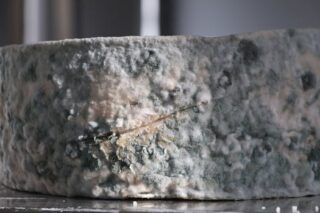
When tackling household issues, many wonder about the effectiveness of everyday substances in maintenance tasks, leading to questions such as, “Does alcohol kill mold?” Mold can be a health concern, potentially causing respiratory symptoms and allergic reactions. Hence, it’s understandable why people seek out simple and effective solutions for eradicating it. This article explores the role of alcohol in combating mold, processes that contribute to its removal, and alternative solutions.
Does Alcohol Kill Mold?
Alcohol, particularly isopropyl or rubbing alcohol, is often considered for cleaning purposes due to its antiseptic properties. But does alcohol kill mold effectively? Alcohol can indeed help in cleaning mold from non-porous surfaces. It works by breaking down the cell walls of mold spores, making it easier to wipe them away. However, while alcohol has some efficacy in removing mold, it may not be as effective in killing the spores entirely or preventing further growth, especially in porous materials like wood or drywall.
The Nature of Mold and Its Growth
Mold is a type of fungus that thrives in damp, warm conditions. It reproduces by releasing tiny spores into the air, which can settle and grow on various surfaces. Mold can develop in places like bathrooms, kitchens, basements, and anywhere with excessive moisture. Addressing humidity and source moisture is key in mold prevention, yet quick and efficient removal is necessary to avoid potential health issues associated with prolonged exposure.
Alternative Methods for Mold Removal
While alcohol may have some limited effectiveness, there are other methods considered more reliable for mold remediation:
- Vinegar: Known for its acidity, vinegar can kill many mold species on porous and non-porous surfaces. It is a popular, natural alternative to chemical cleaners.
- Baking Soda: Often used in conjunction with vinegar, baking soda can absorb moisture and prevent mold growth, making it a helpful addition to your cleaning regimen.
- Commercial Mold Cleaners: These solutions are specifically designed to tackle mold and mildew, often including fungicidal agents for more thorough removal.
For substantial mold infestations, especially in structural areas of the home, consulting a professional is advisable for effective removal and prevention strategies.
Understanding the Limitations of Alcohol
Although alcohol kills mold spores on the surface level, it might not penetrate deeply into porous surfaces where mold roots can remain. For this reason, it is often used as a supplementary cleaning agent rather than a primary solution for significant mold problems. Alcohol’s quick evaporation is another factor; without prolonged contact, its effectiveness diminishes. It’s important to combine its usage with mechanical removal and thorough drying of the affected areas.
Precautions and Safety Considerations
When using alcohol or any chemical cleaner, ensure proper ventilation to avoid inhaling fumes. Wearing protective gear such as gloves and masks is advisable to minimize exposure. Additionally, consider testing the cleaning agent on a small area to ensure it does not damage the surface materials.
For more information on the effects of alcohol, including its potential impact on personal health, see our article on Understanding Drug and Alcohol Addiction.
Consult the health information page on Wikipedia for additional insights on maintaining a healthy home environment.
Conclusion: Does Alcohol Kill Mold?
In summary, alcohol can assist in removing mold from small, non-porous surfaces, but it is not a comprehensive solution for eradicating mold. Its limitations may necessitate combining it with other methods or consulting professionals for significant mold infestations. Addressing mold promptly can help maintain a safe living environment and reduce health risks.
- Alcohol can clean mold from non-porous surfaces but is not the best standalone solution.
- For porous surfaces, other cleaning methods are often more effective.
- Always use safety precautions when handling alcohol and other cleaning agents.
- Consider professional help for extensive mold problems.
Does alcohol kill mold on its own?
Alcohol is effective for removing surface mold on non-porous materials but often requires supplementary methods for complete remediation, especially on porous surfaces.
Is vinegar more effective than alcohol at killing mold?
Vinegar may be more effective due to its acidity, which can penetrate porous surfaces and help kill mold at its roots.
Can rubbing alcohol prevent mold growth?
While rubbing alcohol can clean surface mold temporarily, it does not have lasting effects to prevent future mold growth. Addressing moisture issues is crucial.
Is bleach a better alternative for killing mold?
Bleach can be effective for non-porous surfaces, but like alcohol, it may not reach deeper mold roots. It’s also necessary to follow safety guidelines due to its caustic nature.
What should I do if mold returns after cleaning with alcohol?
If mold returns, consider using stronger mold-specific cleaners or contacting a professional remediation service to tackle potential hidden mold sources or moisture issues.
Other Articles You May Find of Interest...
- Can Alcohol Effectively Eliminate Mold Contamination?
- Effective Ways to Remove Azo Stains from Your Fabrics
- The Surprising Ways Facility Cleanliness Impacts Mental and Physical Healing
- Discover the Benefits of Arm and Hammer Washing Soda for a Cleaner Home
- Commercial Cleaning for Medical Offices in Plano: What “Healthcare-Grade” Really Means
- Is a Chlorine Pool Safe for Your Health?
- The Surprising Health Benefits of Sunflower Seed Oil



