






More Chronic Illness Articles
What Causes High Globulin Levels in Your Blood Test?
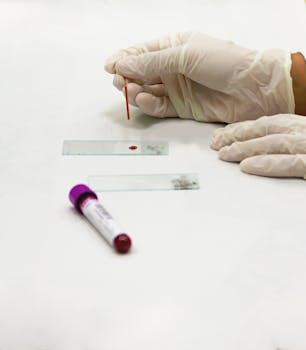
The discovery of high globulin levels in a blood test can be concerning and prompts important questions about what this indicates for your health. Globulin proteins play a crucial role in bodily functions, including immune system performance and blood clotting. Understanding the causes and implications of elevated globulin levels can provide clarity and guide further medical consultation. In this article, we delve into the reasons behind high globulin levels, how they are measured, and what steps to take next.
Understanding Globulin and Globulin Blood Test High Results
Globulin is a group of proteins in your blood that, among other functions, is vital for liver function, blood clotting, and fighting infections. It is common for physicians to order a serum protein electrophoresis to assess globulin levels. When test results show a globulin blood test high, it may be due to several benign or underlying medical conditions.
Causes of High Globulin Levels
High globulin levels can arise from various conditions. Some common causes include chronic infections, such as hepatitis or tuberculosis, that prompt the immune system to produce more antibodies, thus elevating globulin levels. Moreover, chronic inflammatory conditions like rheumatoid arthritis or lupus can also lead to elevated globulin levels.
Other potential causes include certain cancers, such as multiple myeloma or lymphoma, in which the body’s production of globulins increases. Liver disease, including cirrhosis and hepatitis, can also disturb protein production, resulting in altered globulin levels in the blood. In some cases, dehydration may falsely elevate globulin levels due to a reduction in blood plasma volume.
Symptoms of Elevated Globulin
Symptoms directly associated with elevated globulin levels are rare because they often reflect an underlying health issue. Depending on the cause, one might experience fatigue, unintended weight loss, fever, or night sweats. These symptoms vary greatly depending on the underlying condition causing the increase in globulin levels.
Next Steps After a High Globulin Blood Test
If your bloodwork indicates high globulin levels, it is essential to follow up with your healthcare provider. They may recommend additional tests to pinpoint the cause of the elevation. Potential subsequent tests can include liver function tests, kidney function tests, and additional imaging or diagnostic tests based on your symptoms.
It’s important to maintain an open dialogue with your healthcare provider to explore causes and appropriate treatments or lifestyle changes. If you are interested in understanding how diet might impact your protein levels and overall health, consider learning about the importance of a high protein diet and its effects.
Treatment and Management
The treatment for high globulin levels depends largely on the underlying cause. For instance, managing chronic inflammatory conditions might involve the use of anti-inflammatory medications or immunosuppressants. On the other hand, treating infections with antibiotics or antiviral medications can address elevated globulin levels caused by infections.
In cases where liver disease or cancer is the cause, a more comprehensive treatment strategy might be required. Collaboration with your healthcare provider can help you determine the most suitable approach based on your individual health status and needs.
High Globulin Levels and Lifestyle Considerations
While in some cases, no direct lifestyle changes can influence globulin levels, maintaining overall health can support the body’s natural balance of proteins. This includes staying hydrated, following a balanced diet rich in nutrients, and steering clear of excessive alcohol consumption. Smoking cessation and regular exercise can also bolster your overall well-being and potentially impact serum protein levels positively.
For an in-depth exploration of health linkages, consult reputable sources like this external resource for more information.
Conclusion: Understanding Elevated Globulin
It is clear that a globulin blood test high can indicate a variety of conditions ranging from minor to more complex health issues. Understanding the underlying causes of elevated globulin levels is essential for effective treatment and management. Working closely with healthcare professionals can ensure accurate diagnosis and tailored treatment plans. Prioritize regular check-ups and be proactive about potentially influencing factors to aid in effective health management.
- Globulin blood test high results can indicate underlying health conditions.
- Common causes include chronic infections, liver diseases, and some cancers.
- Diagnosis requires collaboration with a healthcare provider for further testing.
- Treatment varies based on underlying causes, including medication or lifestyle changes.
- Maintaining overall health can support balanced globulin levels.
What should I do if I have high globulin levels?
Consult with your healthcare provider to further investigate potential causes and treatment options. Additional tests may be necessary to determine the underlying reason for elevated levels.
Can high globulin levels be a temporary condition?
Yes, temporary causes such as dehydration can lead to elevated globulin levels. However, persistent high levels typically require medical evaluation to identify chronic conditions.
Are there specific dietary changes that can help manage high globulin levels?
While dietary changes alone may not directly lower globulin levels, maintaining a balanced diet, staying hydrated, and limiting alcohol can support overall health.
Can medications cause elevated globulin levels?
Some medications may affect protein levels, and it is best to discuss any concerns with your healthcare provider to understand the potential impacts of your medications.
Is it possible for children to have high globulin levels?
Yes, children can also experience elevated globulin levels due to similar underlying conditions or infections. Pediatric evaluation is essential to determine appropriate diagnosis and treatment.
Other Articles You May Find of Interest...
- Managing Anemia in Chronic Kidney Disease: Key Insights and ICD 10 Considerations
- What Does a High T Protein Blood Test Mean and What Causes Elevated Protein Levels?
- Living with mesothelioma: balancing physical and mental health
- Is Hydroxyapatite Deposition Disease Affecting Your Health?
- Navigating the Challenges of Evans Disease: A Comprehensive Guide
- The Role of Anti DSDNA Antibodies in Autoimmune Disease Diagnosis
- Is Rosacea an Autoimmune Condition? Exploring the Link and Symptoms



