More Chronic Illness Articles
Navigating the Complexities of Amyopathic Dermatomyositis
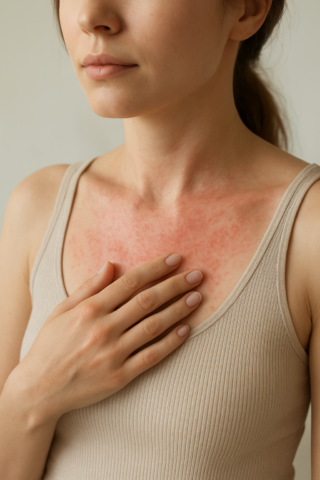
The first signs might be subtle—a lingering skin rash or slight redness that seems out of place. For someone diagnosed with amyopathic dermatomyositis, these symptoms can often be the starting point of their journey. Unlike other forms of dermatomyositis, this condition does not initially present with muscle weakness, which can lead to some confusion or delays in diagnosis. Generally affecting the skin, amyopathic dermatomyositis also carries the potential for more serious complications, such as an increased risk of lung involvement.
Amyopathic Dermatomyositis: Unraveling the Mystery
The absence of muscle weakness can make amyopathic dermatomyositis a perplexing condition both for patients and clinicians. The skin changes are similar to those seen in classic dermatomyositis and may include a rash on areas exposed to the sun or bumps over the knuckles. Because muscle symptoms might appear later or not at all, distinguishing this subclass from other types of dermatomyositis is crucial.
Despite muscle preservation early on, it’s important to keep track of symptoms and engage in regular medical evaluations. These skin changes can affect daily life, as they often require sun protection and vigilance in managing any dermatological symptoms. Having an effective skincare routine and being cautious about sun exposure can help ease the day-to-day management of the condition.
When to Seek Care
If you notice persistent skin rashes or any new skin changes, it’s wise to seek medical advice. Sometimes, these symptoms can signal deeper issues that a specialist might need to evaluate. Dermatologists are usually the first point of contact, but rheumatologists can also be involved, especially if any rheumatic symptoms appear. It’s also crucial to get a medical opinion if respiratory symptoms develop, as amyopathic dermatomyositis can potentially affect the lungs.
Real-World Questions About Medications and Treatments
The treatment approach to amyopathic dermatomyositis often involves medications that help control symptoms and prevent complications. Patients commonly wonder whether they need to stop one medication before starting another or if side effects could change over time. It’s important to discuss these concerns with your healthcare provider, who can guide you on whether adjustments are necessary based on how your symptoms evolve.
Corticosteroids might be prescribed to reduce inflammation, and medication options can vary. Some patients might use immunosuppressive agents, and these often involve careful monitoring. Discussing the possibility of side effects and their duration with your doctor is vital. They can also advise on maintaining your routine while staying alert to any changes in your symptoms.
Managing Everyday Activities with Amyopathic Dermatomyositis
Daily life with amyopathic dermatomyositis calls for a proactive approach. Since sun exposure can exacerbate skin symptoms, using sunscreen and protective clothing becomes essential. Additionally, monitoring your symptoms and maintaining a schedule of regular check-ups can greatly aid in managing the condition. Engaging in healthy lifestyle choices, such as balanced nutrition and regular exercise, can support overall well-being and potentially help manage some symptoms.
If weight management is a concern, there are various resources available. For insights on balancing exercise and nutrition, visit this helpful article on weight control.
Learning More and Staying Informed
Understanding the complexities of conditions like amyopathic dermatomyositis is not only about managing symptoms but also about staying informed on the latest research and recommendations. Reliable resources, like the MedlinePlus health topics page, can offer up-to-date information and help guide your discussions with healthcare providers.
Every patient’s journey is unique, and what works for one person may not be suitable for another. Tailoring treatment approaches and keeping communication open with healthcare professionals can lead to a more informed and mindful management route. As new research and therapeutic options continue to evolve, staying engaged with your healthcare team remains a key aspect of managing amyopathic dermatomyositis effectively.
Takeaways
- Amyopathic dermatomyositis primarily affects the skin, often without initial muscle symptoms.
- Early medical evaluation of persistent skin changes is crucial.
- Treatment involves sun protection and possibly medications like corticosteroids.
- Monitoring for respiratory involvement is important as a precaution.
- Engage with trusted healthcare resources and professionals for personalized advice.
Common Questions
When should I see a doctor?
If you notice a persistent rash or changes in your skin, particularly if accompanied by other symptoms like breathing difficulties, you should contact a healthcare professional.
What type of provider treats amyopathic dermatomyositis?
A dermatologist often leads the initial evaluation, but rheumatologists may also be involved if systemic symptoms develop. Pulmonologists might be consulted if lung involvement is a concern.
Can amyopathic dermatomyositis be prevented?
While there’s no known way to prevent the condition entirely, managing environmental triggers like sun exposure can help mitigate symptoms and complications.
What are common signs of lung involvement?
Shortness of breath and difficulty in breathing could indicate lung involvement. It’s crucial to report these symptoms to your healthcare provider promptly for evaluation and management.
Other Articles You May Find of Interest...
- Living Well With Lupus: Everyday Habits That Help You Feel More Like Yourself
- When Should You See a Kidney Specialist? Signs You Should Not Ignore
- Why Dialysis Access Care Is an Important Part of Kidney Treatment
- ITP vs. TTP: Two Platelet Disorders, Opposite Urgency
- The Beighton Score: Measuring How Flexible Is Too Flexible
- Treating IgG4-Related Disease Before It Scars
- An Autoimmune Symptom Checklist to Bring to Your Doctor