






More Child Health and Safety Articles
Is Your Child Experiencing an RSV Rash? Discover the Signs and Solutions
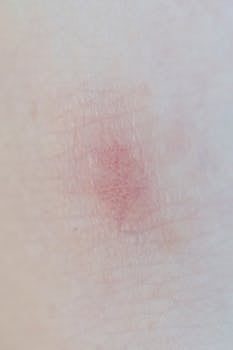
When your child is feeling under the weather, it can be especially worrying to notice a rash accompanying their symptoms. As a parent, you’re likely to search for information about an RSV rash to understand its implications and discover potential solutions. RSV, or respiratory syncytial virus, is a common virus that affects the respiratory system, and while the rash is not a primary symptom, it can occasionally appear alongside other symptoms due to various factors.
Understanding RSV Rash
An RSV rash is often not directly caused by the virus itself. Rather, it may arise as an immune response or be related to fever or other co-occurring infections. Identifying the rash and understanding its context is vital in ensuring your child receives the appropriate care. Often appearing as small, red spots or patches, the rash can vary widely in appearance.
Common Symptoms of RSV
Besides the rash, RSV symptoms typically include coughing, wheezing, runny nose, and fever. In infants and young children, these symptoms can sometimes be accompanied by difficulty breathing or a bluish color around the mouth due to lack of oxygen.
Why an RSV Rash Might Occur
While RSV itself doesn’t directly cause a rash, some children may develop skin irritation due to the fever or a concurrent infection. Additionally, certain medications used to alleviate symptoms might lead to allergic reactions manifesting as a rash. It’s crucial to observe all symptoms and consult with a healthcare provider for a comprehensive evaluation.
When to Seek Medical Attention
If your child develops a rash while experiencing RSV symptoms, it is wise to seek medical advice. A healthcare provider will be able to determine whether the rash requires treatment or if it will resolve as the virus runs its course. Immediate medical attention should be sought if the rash is severe, persistent, or accompanied by signs of distress such as breathing difficulties.
Potential Treatments and Solutions
Treatment for an RSV rash involves managing underlying symptoms and addressing any additional conditions causing the rash. Over-the-counter medications may be recommended to reduce fever and alleviate discomfort, but these should always be used under a healthcare provider’s guidance. Moisturizing lotions and gentle skin care can help soothe irritated skin associated with the rash.
Preventive Measures for RSV Rash
Prevention focuses on minimizing exposure to the RSV virus through good hygiene practices such as regular hand washing, avoiding contact with sick individuals, and keeping your child’s environment clean. Strengthening a child’s overall health and immunity with a nutritious diet and healthy lifestyle choices is also crucial. For more information on how lifestyle choices can impact health, explore this article.
Vaccines are available to protect against severe RSV infections in high-risk children, but they may not prevent rashes entirely. Discuss vaccination options with your healthcare provider, especially if your child has a higher risk of severe RSV illness.
RSV Rash and Other Skin Reactions
In some instances, the rash may be confused with other common childhood skin conditions like eczema, hives, or heat rash. A thorough examination by a healthcare provider will help differentiate between these and provide the appropriate treatment.
The Role of Supportive Care
Supportive care plays a significant role in managing RSV-related symptoms in children. Ensuring the affected child stays hydrated, gets plenty of rest, and is comfortable is fundamental to their recovery. This approach aids in alleviating symptoms, reducing fever, and consequently minimizing the rash.
For reliable information about RSV, you can refer to this Wikipedia article on RSV. It provides an overview of the virus and its impact on health.
Conclusion: Monitoring an RSV Rash
If your child exhibits an RSV rash, it’s important to remain attentive to all presenting symptoms. While a rash isn’t typical of RSV, its appearance signals that close observation and appropriate management are essential. Engaging a healthcare provider’s expertise not only aids in understanding the rash’s context but also ensures your child receives the most suitable care.
- RSV can cause a variety of symptoms, including cough and fever.
- A rash is not a common direct symptom of RSV but can occur due to other factors.
- Seek medical advice to ensure the rash is accurately diagnosed and treated.
- Preventive measures and vaccines reduce the risk of RSV complications.
- Supportive care is crucial in managing RSV symptoms and related rashes.
FAQ
What is RSV?
RSV, or respiratory syncytial virus, is a common virus that typically causes mild, cold-like symptoms. It can be serious for infants and older adults.
Can RSV cause a rash?
While RSV itself does not typically cause a rash, associated factors such as fever, medications, or secondary infections can lead to skin rashes in some children.
How should I treat an RSV rash?
Treating an RSV rash usually involves addressing the underlying cause, such as reducing fever or managing allergies. Consult a healthcare provider for the best approach.
When should I consult a doctor for my child’s rash?
You should seek medical advice if the rash is severe, persistent, or accompanies other concerning symptoms like difficulty breathing or a high fever.
How can I prevent RSV in my child?
Prevent RSV by practicing good hygiene, keeping your child’s immune system strong, and discussing vaccination options with your healthcare provider.
Other Articles You May Find of Interest...
- Is Lactose Present in Breast Milk? Exploring Its Role in Infant Nutrition
- Improving Mobility and Independence in the Children with Physical Disabilities
- What the Sinusoidal Fetal Heart Rate Reveals About Your Baby’s Health
- Is Your Baby Experiencing Teething Fever? Here’s What You Need to Know
- Essential Skills Every Parent Should Know Before Summertime Starts
- Occupational Therapy in Zionsville, IN: Helping Children Build Essential Life Skills
- Is Your Newborn Vomiting? Understanding Causes and When to Seek Help



