






More Child Health and Safety Articles
Is Distilled Water Safe for Preparing Baby Formula?
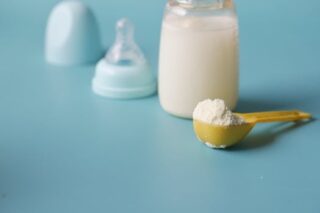
When it comes to preparing baby formula, parents often seek the best and safest options. A common question is whether using distilled water for baby formula is safe. To address this concern, understanding the distinction between different types of water and their effects on baby formula preparation is vital.
Is Distilled Water for Baby Formula Safe?
Distilled water goes through a rigorous purification process, which involves boiling the water and then condensing the steam back into a liquid. This process removes impurities, minerals, and potential contaminants. As a result, it is considered safe for mixing with baby formula. By removing minerals, distilled water ensures that no unwanted substances interfere with the nutrients in the formula.
Parents need reassurance that the water they use doesn’t introduce any harmful elements into their baby’s diet. Distilled water provides peace of mind as it is free from chlorine, bacteria, or lead that might be found in other sources. However, it is crucial to ensure the water is stored properly to prevent contamination before use.
Comparing Distilled Water with Other Types of Water
While distilled water is an excellent choice for baby formula, understanding how it compares with spring water, purified water, or tap water is important.
- Spring water: Often contains natural minerals. While these may benefit adults, the variance in mineral content can be unsuitable for infant consumption.
- Purified water: Similar to distilled water in being treated to remove impurities, but it may not be devoid of minerals unless labeled as demineralized.
- Tap water: Although accessible, it may contain fluoride or other additives unsuitable for young infants. It’s essential to consult local water reports to confirm its safety for infant use.
Benefits of Using Distilled Water
Choosing distilled water for baby formula offers multiple benefits. It provides a consistent water quality, ensuring no unexpected mineral imbalances. This consistency supports the formula manufacturers’ intended nutrient balance. Furthermore, using distilled water can help eliminate concerns regarding potential waterborne pathogens that could arise with less treated sources.
For parents switching their lifestyle to include healthier practices, understanding water quality can be part of their journey to healthier living. For more insights on making small changes towards a vibrant lifestyle, explore our article on small steps to a more active lifestyle.
Possible Drawbacks
While distilled water is generally safe, it may lack certain minerals. However, infant formula is fortified with essential nutrients, so this typically isn’t an issue. Parents concerned about their infants not receiving enough minerals should consult with their pediatrician.
Additionally, the process of obtaining and storing distilled water might require a bit more effort compared to using tap water. Ensuring the water is kept in a sterile environment is crucial to avoid exposure to contaminants.
Tips for Safely Using Distilled Water for Baby Formula
Utilizing distilled water effectively involves several key points:
- Ensure the distilled water is stored in a clean, sealed container away from direct sunlight.
- Always verify that water dispensers or bottles are sanitized.
- Consult regularly with your pediatrician to ensure your child’s nutritional needs are met.
In summary, distilled water for baby formula is a safe and reliable choice for parents. It provides a contaminant-free option for preparing your child’s nutritional needs without unforeseen health risks. Consistent quality makes it preferable among many caregivers.
Frequently Asked Questions
Why is distilled water preferred for baby formula?
Distilled water is free from impurities, minerals, and contaminants, making it a pure and consistent choice for baby formula preparation.
Can I use tap water instead of distilled water?
Tap water can be used if it’s safe and free of high fluoride levels. Checking local water quality reports and consulting your pediatrician is advisable.
What should I do if distilled water is not available?
If distilled water is not an option, consider using bottled water labeled as suitable for infant formula or consult your pediatrician for safe alternatives.
Are there any side effects of using distilled water for baby formula?
Distilled water itself is unlikely to cause side effects, but ensure the formula provides necessary nutrients, as distilled water lacks minerals.
How should I store distilled water for baby formula?
Store distilled water in a sealed, sterilized bottle or container, and keep it in a cool, dark place to maintain its purity.
- Distilled water ensures no contaminants mix with baby formula.
- It’s beneficial because of its consistent quality and absence of impurities.
- Proper storage is crucial for maintaining water purity.
- Consult your pediatrician to ensure adequate nutrition when using distilled water.
- Exploring other health practices can support overall family wellbeing. Learn more about small lifestyle changes in our from couch to active lifestyle article.
To further explore the nuances of water types and health, please refer to comprehensive articles available such as Health on Wikipedia for more information.
Other Articles You May Find of Interest...
- Calculate Your Child’s Potential Height with the Midparental Height Calculator
- Is Distilled Water Safe for Preparing Baby Formula?
- Smartphones and Your Child’s Vision: Essential Guidance for Today’s Parents
- Essential Milestones to Watch for Your Sixteen Month Old
- Is Pyelectasis of Fetus a Cause for Concern During Pregnancy?
- How to Assess Pediatric Head Injuries Using the PECARN Criteria
- Is Your Child Experiencing an RSV Rash? Discover the Signs and Solutions




