






More Beauty Skin Care & Gorgeous Smiles Articles
What Causes Blood Pimples and How to Treat Them?
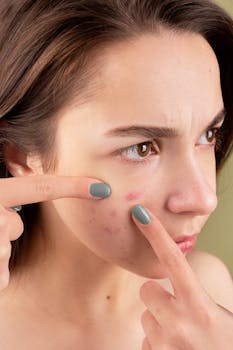
Experiencing a blood pimple can be concerning, especially if you’re not sure what it is or how to handle it. A blood pimple, unlike a regular pimple filled with pus, is primarily filled with blood. Such occurrences can often raise questions and necessitate understanding the cause and the safe ways to treat them.
What Causes a Blood Pimple?
A blood pimple typically arises due to trauma or pressure to a particular area of the skin. This can occur from squeezing a regular pimple too hard, leading to the rupture of small blood vessels beneath the skin. Additionally, persistent friction or irritation in certain areas can also cause these blood-filled blemishes to form.
Hormonal changes, stress, and certain skin conditions can make the skin more susceptible to blood pimples. For some, blood pimples might appear more frequently in areas prone to shaving or clothing friction.
Treating Blood Pimples Safely
Here are recommended steps for addressing a blood pimple:
- Don’t Pop It: Popping can make the pimple worse and increase the risk of infection or scarring. Allow it to heal naturally.
- Gentle Cleansing: Clean the affected area gently with a mild cleanser to prevent dirt and bacteria from exacerbating the situation.
- Topical Treatments: Over-the-counter treatments containing salicylic acid or benzoyl peroxide may help facilitate healing by reducing inflammation.
- Moisturize: Use a non-comedogenic moisturizer to keep the skin hydrated while healing.
- Seek Professional Advice: If the blood pimple doesn’t improve or you frequently experience them, consult a dermatologist.
For those curious about broader skin health conditions connected to blood-related skin changes, you might find it helpful to explore related conditions such as hemochromatosis.
Other Considerations and Precautions
Understanding when to seek medical attention is crucial. If a blood-filled pimple causes severe pain, seems recurrent, or leads to extensive bruising, it might be worth getting checked out by a healthcare professional.
Certain skin care products could irritate the skin more, potentially leading to blood pimples. It’s essential to use gentle, dermatologically tested products if you are prone to sensitive skin responses.
Can Blood Pimples Be Prevented?
While avoiding blood pimples entirely might not be feasible for everyone, certain preventive measures can reduce their occurrence:
- Avoid picking at pimples or spots.
- Use a clean shaving tool to minimize skin irritation.
- Wear breathable clothing that reduces friction.
Maintaining a balanced diet, staying hydrated, managing stress, and ensuring good hygiene can also contribute positively to your skin’s overall health.
With appropriate care and precautions, you can minimize the occurrence and concerns associated with blood pimples. For more in-depth information on related health topics, consult resources like the health article on Wikipedia.
- Blood pimples occur when small blood vessels rupture under the skin.
- Avoid popping or squeezing blood-filled pimples.
- Gentle skincare is crucial for healing a blood pimple.
- Consult a professional if pimples are painful or recurrent.
- Preventive strategies include minimizing skin trauma and using suitable skincare products.
Frequently Asked Questions
What is the difference between a blood pimple and a regular pimple?
A regular pimple contains pus, whereas a blood pimple is filled with blood due to ruptured blood vessels beneath the skin.
Should I pop a blood pimple?
No, popping a blood pimple can lead to further irritation, potential infection, and scarring. It is best to let it heal naturally.
What causes blood-filled pimples?
Blood-filled pimples can be caused by trauma to the skin, excessive pressure, or existing skin conditions that increase susceptibility.
Are there home remedies for treating blood pimples?
While home remedies are popular, use them with caution. Always keep the area clean, avoid harsh products, and opt for proven over-the-counter treatments at first.
When should I see a dermatologist for blood pimples?
If the blood pimples are recurrent, highly painful, or you notice signs of infection, it’s wise to consult a dermatologist.
Other Articles You May Find of Interest...
- Why High-Quality Body Care Starts with Balance, Not Harshness
- The 2026 Guide to Skin Longevity: Beyond Sunscreen and Serums
- What Are the Most Popular Breast Implant Sizes Today?
- What Causes Blood Pimples and How to Treat Them?
- The Surprising Benefits of Using Salt and Vaseline for Your Skin
- Transforming Smiles: The Benefits of Cheiloplasty
- The Hidden Risks of Fully Embedded Ticks: What You Need to Know




