More Beauty Skin Care & Gorgeous Smiles Articles
Understanding Abdominoplasty: How the Procedure Is Performed

Achieving a toned, flat abdomen can be incredibly challenging, especially after significant weight fluctuations or pregnancy. When diet and exercise no longer yield results, many individuals consider cosmetic surgery to restore their body shape. One of the most common procedures for abdominal rejuvenation is the Abdominoplasty, commonly known as a tummy tuck. This surgical intervention addresses stretched muscles and excess skin that cannot be corrected through lifestyle changes alone. Understanding how this procedure is planned and executed can help patients make informed decisions about their surgical journey. Roshan Vijayan Plastic Surgeon is one surgeon who performs this procedure, and is referenced here as an example of how the process is typically carried out.
Understanding the Abdominoplasty Procedure
An abdominoplasty is a major surgical procedure designed to reconstruct the abdominal wall. It targets three main issues: excess sagging skin, stubborn fat deposits, and weakened or separated abdominal muscles, a condition medically known as diastasis recti. This separation often occurs during pregnancy or after substantial weight loss, leaving the abdomen protruding regardless of physical fitness levels.
During the procedure, the surgeon makes an incision across the lower abdomen, typically just above the pubic hairline. Through this incision, the surgeon accesses the underlying abdominal muscles. These muscles are pulled together and sutured into a tighter position. Once the muscular foundation is secure, the surgeon drapes the skin downward, removes the excess tissue, and creates a new opening for the belly button.
This surgery is not a weight-loss solution; rather, it is a contouring procedure. Candidates are generally individuals close to their target weight who are dealing with loose tissue. By addressing both the structural muscles and the overlying skin, the procedure is intended to provide a flatter, firmer abdominal profile that matches the patient’s frame. Results are generally intended to be durable, provided the patient maintains a stable weight and healthy lifestyle after recovery.
The Consultation and Surgical Planning
A surgical consultation typically involves an in-depth, one-on-one assessment of the patient’s physical health, skin elasticity, and the degree of muscular separation in the abdominal wall, so that the surgical approach can be aligned with what’s clinically appropriate and the patient’s goals.
Tailoring the Surgical Approach
No two bodies are identical, so the surgical approach is typically adapted to the individual patient rather than following a single standard method. Surgeons generally discuss the different variations of the procedure, such as a full, mini, or extended tummy tuck. A mini tummy tuck focuses solely on the area below the navel, making it suitable for patients with minimal skin laxity. Conversely, an extended procedure addresses the flanks and lower back, which may be considered for patients who have undergone significant weight loss.
Setting Realistic Expectations
Open communication during this phase is important. Surgeons typically explain the placement of incisions, the expected recovery timeline, and potential risks. Reviewing anatomical details and pre-operative guidelines with your surgeon can help you understand the process and form realistic expectations about the likely outcome.
Step-by-Step Surgical Technique
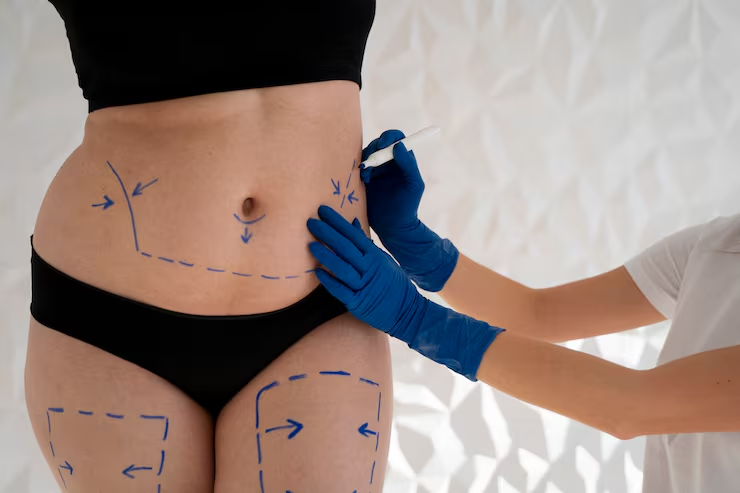
An abdominoplasty requires technical precision and is typically performed under general anaesthesia in an accredited hospital facility.
The Incision and Muscle Repair
The surgeon begins by making an incision along the lower abdomen. The length of this incision depends on the volume of skin to be removed, and it is generally positioned to remain hidden beneath standard swimwear or underwear. Next, the surgeon lifts the abdominal skin and fat to expose the rectus abdominis muscles. These muscles are tightened using sutures, a step intended to narrow the waistline and flatten the abdominal wall.
Skin Draping and Umbilicus Repositioning
After repairing the muscle wall, the surgeon pulls the abdominal skin downward. The excess skin and fat are trimmed away. Because the skin is shifted downward, the belly button must be freed from the surrounding tissue and repositioned through a new opening. The shape and depth of the new navel is an important detail for the overall result. The incisions are then closed using layered, dissolvable sutures.
Recovery, Scar Management, and Long-Term Results
The recovery process continues well beyond the operating theatre. Careful post-operative follow-up is an important part of recovery after abdominoplasty. Patients typically receive post-operative instructions covering wound care, activity restriction, and pain management.
The Early Recovery Phase
Immediately after surgery, patients generally wear a supportive compression garment, which is intended to reduce swelling, support the repaired abdominal muscles, and help the skin conform to new body contours. Most patients need to take two to three weeks off work and avoid heavy lifting or strenuous exercise for at least six weeks. Gentle walking is generally encouraged from the first day to promote healthy blood circulation.
Managing the Scar and Maintaining Results
Scars are an expected part of this surgery, and they typically fade over time. Scar management may include silicone sheeting, gentle massage, and sun protection. Over several months, a scar generally matures from a pink line to a thinner, paler mark. Final results become more apparent once swelling has fully subsided, though individual outcomes vary and depend on factors including ongoing weight maintenance.
Safety and Patient-Centred Care
Patient safety is a central consideration in any cosmetic procedure. A surgical outcome depends on the surgical technique used, the sterility of the facility, and pre-operative screening. Before any incisions are made, a review of the patient’s medical history, current medications, and lifestyle habits is typically conducted to help reduce potential anaesthetic and surgical risks.
The Importance of Board Certification
Choosing a board-certified surgeon is an important consideration when planning this type of procedure. A board-certified surgeon generally operates in accredited surgical facilities with appropriate monitoring equipment, so that each phase of the procedure, from anaesthesia to the final suture, is carried out under recognised medical protocols.
Follow-Up Care
Follow-up appointments are generally scheduled to monitor the healing process, assess fluid drainage, and address any patient questions during recovery. Ongoing follow-up is intended to help identify potential complications early and support the patient through the expected recovery timeline.
Final Thoughts

Undergoing a body contouring procedure like abdominoplasty is a personal decision that involves both surgical and recovery considerations. The procedure is designed to address stretched muscles and loose skin that don’t respond to diet or exercise, though outcomes and suitability vary by individual. Anyone considering abdominoplasty should discuss the procedure, its risks, expected recovery, and their own candidacy with a qualified plastic surgeon before deciding whether to proceed.
Other Articles You May Find of Interest...
- Understanding PDRN Therapy: The Science Behind Skin Barrier Repair and Tissue Regeneration
- Who Is a Suitable Candidate for Breast Augmentation?
- Peptides vs Retinoids for Sensitive Skin: Why Matrixyl 3000 and CoQ10 Are Changing the Conversation
- Whitehead or Pustule? How to Tell These Acne Bumps Apart
- What Patients Should Know About Skin Removal Surgery
- Breast Augmentation vs. Breast Lift: Understanding the Difference
- 5 Things New Moms Should Know About Tummy Tuck Timing