






More Beauty Skin Care & Gorgeous Smiles Articles
Papule vs Macule: Key Differences in Skin Conditions Explained
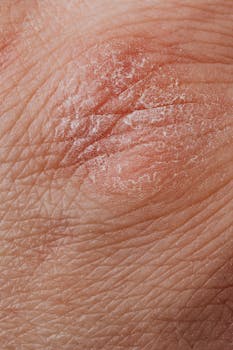
When it comes to skin conditions, understanding the differences between a papule and a macule can help you better identify and discuss these changes with a healthcare provider. While both are lesions that appear on the skin, they have distinct characteristics and implications for your health. In this article, we will explore the differences between a papule and a macule, helping you recognize these common skin conditions more easily.
Understanding Papule vs Macule
To begin with, let’s define what a papule and a macule are. A papule is a small, elevated, solid bump on the skin, often less than 1 centimeter in diameter. It can be a result of various skin issues, such as acne, eczema, or warts. Conversely, a macule is a flat, distinct area on the skin that usually has a different color than the surrounding skin. Unlike papules, macules are not raised and can appear as sunspots or freckles.
Characteristics of Papules
Papules can have varying appearances based on their underlying cause. Usually, they are red, pink, brown, or even purplish and may be sore or itchy at times. Common examples include acne, which often manifests as clusters of papules, or conditions like psoriasis which can result in scaly, red papules. Notably, papules can sometimes develop into pustules if they become infected.
Characteristics of Macules
Macules, on the other hand, commonly present as flat spots that vary in pigmentation. These spots occur due to changes in skin color, such as increased melanin production. Freckles and age spots are typical examples. Macules are often mistaken for other skin issues due to their flat nature, but distinguishing them comes down to observing their pigmentation differences.
Causes and Treatments
Both papules and macules can arise from a wide range of causes. Papules often result from inflammatory processes within the skin, like acne or dermatitis. Macules generally emerge from pigment changes, including sun exposure or inflammatory processes. Treatment varies based on the cause and may involve topical or oral medications, laser therapies, or simple lifestyle adjustments. For tips on lifestyle choices impacting skin health, check out our article on how lifestyle choices impact our overall health.
Identifying Papules and Macules: When to See a Doctor
Recognizing a papule or macule is crucial for effective treatment and management. While some may resolve on their own or with over-the-counter remedies, others may require professional assessment. Consulting with a dermatologist is advisable if there’s any concern regarding changes in size, color, or sensation, especially if accompanied by pain or itching.
The key difference between a papule and macule lies in their texture—papules being raised and macules remaining flat. However, when changes seem concerning, seeking medical advice is essential for accurate diagnosis and treatment.
How to Keep Your Skin Healthy
Maintaining healthy skin is vital in preventing the development of papules and macules. Regular skincare routines, sun protection, and staying hydrated play significant roles in skin health. Moreover, incorporating foods that promote skin health and seeking regular wellness checkups can aid in early detection and prevention of various skin disorders.
For more detailed information on skin conditions, you can visit this external source.
In summary, the primary difference in papule vs macule lies in their physical properties and underlying causes. Understanding these differences can aid in proper skin care and when necessary, seeking professional treatment.
- Papules are raised, solid bumps on the skin, while macules are flat, discolored areas.
- Both lesions can result from various skin conditions and are treated based on the underlying cause.
- Consult a healthcare provider for any skin changes concerning you.
- Maintaining skin health involves lifestyle adjustments and preventative care.
- Understanding these skin lesions aids in effective management and treatment.
FAQ
What distinguishes a papule from a macule?
A papule is a raised bump, commonly under 1 cm in diameter, whereas a macule is a flat, often pigmented area on the skin.
Are papules and macules harmful?
Most papules and macules are benign but consult a healthcare provider if you notice changes or symptoms of concern.
Can both papules and macules appear simultaneously?
Yes, certain conditions may cause both types of lesions to appear together, as seen in some rashes or skin disorders.
What is a common cause of papules?
Papules often result from inflammatory skin conditions such as acne or dermatitis.
What is the best treatment for macules?
Treatment for macules depends on the underlying cause, including topical medications or preventive sun protection to reduce pigmentation changes.
Other Articles You May Find of Interest...
- How Photofacial Treatment In Melbourne Improves Skin Tone
- What Are Those White Spots on Your Lips?
- Spider Veins vs Varicose Veins: Key Differences Explained
- Revealing the Causes and Solutions for Sunken Eyes
- How Does Rhinoplasty Affect Breathing? 5 Important Things to Know
- The Confidence Connection: How Skin, Smile, and Self-Care Shape the Way You Show Up
- A Holistic Guide to Radiance and Skin Vitality



