More Beauty Skin Care & Gorgeous Smiles Articles
Is Aluminum in Deodorant Harmful to Your Health?
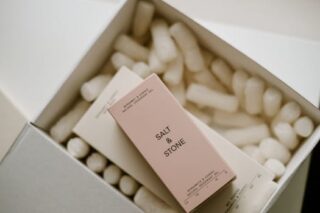
Many people are questioning whether the ingredients in their everyday products, like deodorant, could be harmful. One of the most common concerns is whether the aluminum in deodorant is bad for you. This question arises as more consumers become aware of what they are putting on their bodies and seek safer, more natural alternatives. Traditionally, aluminum compounds are used in antiperspirants because they temporarily block sweat glands to reduce perspiration. However, some worry that these compounds could have adverse health effects.
Is Aluminum in Deodorant Bad for You?
The debate over whether aluminum in deodorant is harmful has been ongoing. Concerns primarily focus on the possibility that aluminum compounds might be linked to breast cancer or Alzheimer’s disease. However, up to this point, there is no definitive scientific evidence proving that the use of aluminum-containing deodorant is directly linked to these health conditions. According to leading health organizations, such as the National Cancer Institute and the Alzheimer’s Association, more research is needed to establish a clear link. For now, the consensus is that aluminum in the amounts used in antiperspirants is generally considered safe for most individuals.
What Science Tells Us About Aluminum in Deodorants
Aluminum in antiperspirants works by forming a temporary plug within the sweat ducts, reducing the amount of sweat that reaches the skin’s surface. Some research studies suggest that trace amounts of aluminum can be absorbed through the skin and might contribute to health conditions, but they have not conclusively proven any harmful outcomes for most people. Many experts emphasize that any absorbed amounts are typically negligible and not of concern. It’s important to note that individual sensitivities and allergies may vary, and awareness of your body’s reactions is essential.
When to Seek Care
If you notice a persistent skin rash, irritation, or other skin reactions after using a deodorant with aluminum, it may be time to consult a healthcare provider. Dermatologists are specialists in skin health and may help determine whether your symptoms are an allergic reaction or related to another condition. Additionally, if you’re worried about the potential long-term effects of aluminum, discussing alternatives with a doctor or dermatologist could provide peace of mind and guidance toward finding a suitable product for your needs.
Alternatives to Aluminum-Based Deodorants
Many consumers are choosing deodorants marketed as natural alternatives, which typically do not contain aluminum. Instead, these products use ingredients such as baking soda, coconut oil, or essential oils to neutralize odor. While these alternatives do not prevent sweating to the extent that antiperspirants do, they can be effective in reducing body odor. Those with extremely sensitive skin might seek products free from irritants. Exploring different formulations enables you to find the balance that keeps you comfortable and confident with daily activities.
Day-to-Day Considerations
Choosing between a traditional antiperspirant and an aluminum-free product often involves evaluating personal health priorities and daily lifestyle needs. Aluminum-based antiperspirants are likely to offer more robust sweat reduction. In contrast, aluminum-free options could be appropriate for those with fewer perspiration concerns or those seeking a more natural lifestyle. Regardless of your choice, properly applying any deodorant or antiperspirant ensures optimal results, generally by applying to clean, dry skin.
Questions to Ask Your Doctor
If you’re contemplating switching products or worried about potential health effects, preparing questions can be helpful. Consider asking about any symptoms that might prompt more detailed investigations, and what monitoring steps you could take if you’re concerned about aluminum exposure. Healthcare providers can address these questions based on the latest research and guidelines.
Takeaways
- Aluminum in deodorants is primarily used to reduce sweat.
- There is ongoing research about its potential links to health issues.
- Natural alternatives may appeal to those with skin sensitivities.
- Consulting with healthcare providers can provide personalized guidance.
Common Questions
Does using aluminum-free deodorant reduce cancer risk?
Some people choose aluminum-free deodorant to err on the side of caution, but current research does not conclusively link aluminum-based deodorants to cancer.
How can I tell if I’m allergic to aluminum in deodorant?
If you experience persistent skin irritation, rashes, or itchiness after using aluminum-based products, you might have a sensitivity. A dermatologist can perform tests to confirm any allergies.
Should I switch to natural deodorant?
Switching to natural deodorant may be beneficial if you have sensitive skin or personal health convictions about using chemical-free cosmetics, though sweat elimination might be less robust.
Is sweating less healthy?
Sweating is a natural bodily function for thermoregulation. Using antiperspirants isn’t unhealthy, but it will alter the amount you perspire under your arms.
Curious about your lifestyle choices and their impact on health? Learn more in this article on healthy lifestyle choices.
For more general information on health topics, you can visit Wikipedia’s health page.
Other Articles You May Find of Interest...
- How Lifestyle and Personal Goals Can Shape Your Breast Augmentation Choices
- The Most Popular Cosmetic Treatments by Age Group
- What Makes a HydraFacial Treatment Professional?
- Botox vs Dysport vs Xeomin: Which Neuromodulator Is Right for You?
- Understanding PDRN Therapy: The Science Behind Skin Barrier Repair and Tissue Regeneration
- Who Is a Suitable Candidate for Breast Augmentation?
- Peptides vs Retinoids for Sensitive Skin: Why Matrixyl 3000 and CoQ10 Are Changing the Conversation