






More Beauty Skin Care & Gorgeous Smiles Articles
Skin Barrier Health Matters More With Age
For many years, skincare conversations focused heavily on wrinkles, pigmentation, firmness, and cosmetic appearance. Dermatologists and skin health specialists are placing greater attention on something more foundational: the skin barrier itself.
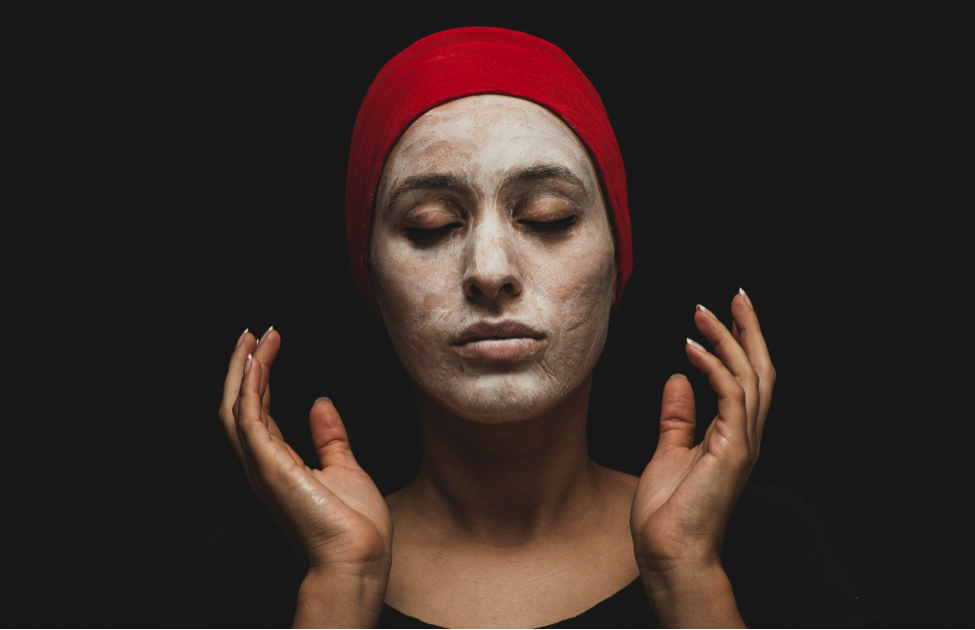
Photo by engin akyurt on Unsplash
The skin barrier acts as the body’s outer protective layer. It helps retain moisture, defend against environmental irritants, regulate water loss, and reduce exposure to bacteria, pollutants, allergens, and ultraviolet stress. When functioning properly, the barrier helps skin remain balanced, resilient, and less reactive.
As people age, this barrier naturally becomes more vulnerable.
Skin gradually loses moisture retention capacity, collagen production slows, cell turnover changes, and lipid levels decline over time. These changes affect not only appearance, but also how effectively the skin protects itself from external stressors.
Health and wellness publications describe skin barrier care as one of the most important long-term aspects of healthy aging rather than purely cosmetic skincare. (yourhealthmagazine.net)
Mature Skin Often Requires More Targeted Hydration
One of the most noticeable changes affecting aging skin is increased dryness.
As the skin barrier weakens over time, moisture escapes more easily through a process known as transepidermal water loss. This often leads to dryness, rough texture, tightness, flaking, and increased sensitivity to environmental conditions.
Because of this, skincare routines focus on hydration support and barrier repair rather than aggressive exfoliation alone. Many individuals exploring barrier-focused skincare routines eventually begin researching really specific products.
Most Popular Product Directions For Ageing Skin Concerns
As mature skincare has become more specialised, consumers have started separating products based on very specific skin barrier and ageing-related concerns rather than buying general anti-ageing creams alone. Hydration support, collagen preservation, irritation reduction, barrier recovery, texture smoothing, and overnight moisture retention are now treated as separate categories within many skincare routines.
One brand often associated with professional barrier-focused skincare is Comfort Zone, the Italian skincare company developed through spa and wellness environments.
Comfort Zone face serums are commonly discussed around mature skin support because of their focus on hydration, skin barrier comfort, nourishing textures, and recovery-oriented formulations designed for dryness, environmental stress, and sensitivity-prone ageing skin. Many users are drawn toward the brand’s gentler spa-style approach rather than highly aggressive resurfacing systems.
Another major category leader is SkinCeuticals, which is widely recognised for antioxidant-focused skincare and clinical-style formulations targeting photoaging, pigmentation, and collagen support. Products containing vitamin C serums and corrective treatments remain particularly popular among mature skincare users dealing with long-term sun exposure.
Estée Lauder also continues to dominate mature skincare discussions through overnight repair products and hydration-focused anti-ageing formulations aimed at improving skin texture, elasticity appearance, and moisture retention.
Its Advanced Night Repair line remains one of the most recognised products globally within age-supportive skincare.
Meanwhile, La Roche-Posay has become especially popular among users dealing with mature sensitive skin, weakened barriers, redness, or irritation connected to overuse of active ingredients. Dermatologist-supported barrier creams and thermal-water-based products are frequently recommended for skin struggling with dryness and reactivity.
Another major player is Augustinus Bader, which built strong attention around regenerative skincare positioning, high-end hydration systems, and formulas focused on skin renewal support.
The luxury category overall has shifted heavily toward recovery-oriented skincare instead of relying purely on strong exfoliation or intensive resurfacing treatments.
Over-Exfoliation Often Weakens The Barrier
One of the biggest misconceptions in skincare is that stronger treatments always produce better results.
In reality, excessive exfoliation, overuse of active ingredients, and frequent harsh cleansing may gradually damage the skin barrier itself. Retinoids, acids, scrubs, and foaming cleansers can all contribute to irritation when overused, particularly on mature skin that already retains less moisture naturally.
Barrier disruption often appears through redness, tightness, burning sensations, increased breakouts, or unusual sensitivity to skincare products that were previously tolerated.
Dermatologists recommend balancing active ingredients with barrier-supportive routines rather than constantly layering multiple strong treatments together.
Environmental Stress Accumulates Over Time
Skin barrier aging is also heavily influenced by cumulative environmental exposure.
Ultraviolet radiation remains one of the largest contributors to long-term skin barrier breakdown. Years of sun exposure gradually damage collagen fibres, weaken elasticity, increase dehydration, and disrupt the skin’s natural protective function.
Pollution exposure may also contribute to oxidative stress affecting the skin barrier over time.
Health-focused skincare discussions emphasise daily protection and environmental prevention rather than purely reactive treatment after visible aging appears.
Indoor Environments Affect Skin Too
Many people underestimate how strongly indoor environments influence skin barrier health.
Air conditioning, central heating, low indoor humidity, and prolonged screen exposure may all contribute to dryness and irritation. Repeated temperature fluctuations between outdoor heat and indoor cooling systems can also stress the skin barrier gradually.
This becomes more noticeable with age because mature skin generally recovers more slowly from dehydration and environmental irritation compared with younger skin.
For this reason, many skin specialists now recommend year-round hydration support rather than seasonal skincare alone.
The Skin Barrier Influences Sensitivity
Another reason skin barrier health becomes more important with age is because weakened barriers increase skin sensitivity overall.
Products that once caused no issues may suddenly trigger irritation, redness, dryness, or inflammation later in life. Mature skin often becomes more reactive because protective barrier lipids decline gradually over time.
This is one reason fragrance-free products, gentle cleansers, and simplified skincare routines have become common among dermatologists and skin wellness experts.
Sleep Quality Affects Skin Recovery
Skin recovery is also closely connected to sleep quality.
During sleep, the body performs many repair processes connected to inflammation regulation, hydration balance, and tissue recovery. Poor sleep may contribute to increased headaches, dullness, slower repair, dehydration, and a heightened inflammatory response in the skin.
Health publications describe sleep as an important component of long-term skin wellness and healthy aging. (yourhealthmagazine.net)
This reflects broader understanding that skin health is strongly connected to overall physical wellbeing rather than isolated cosmetic care alone.
Nutrition And Hydration Influence The Barrier
Internal health factors also affect barrier function significantly.
Hydration levels, dietary fats, antioxidants, and overall nutrition all contribute to how effectively the skin maintains moisture and repairs itself. Omega-3 fatty acids, vitamins, and adequate protein intake all influence skin structure and resilience over time.
Highly processed diets, dehydration, smoking, and chronic stress may all accelerate barrier dysfunction and visible skin aging.
Mature Skin Usually Needs Gentler Routines
Many dermatologists now encourage gentler long-term skincare approaches for mature skin.
Instead of constantly switching products or following highly aggressive routines, barrier-focused care often prioritises consistency, hydration support, UV protection, and gradual maintenance over time.
This does not mean active ingredients are avoided completely. Rather, they are used more strategically alongside moisturising and barrier-supportive products.
The skincare industry itself has gradually shifted toward formulations emphasising skin comfort, repair, and resilience rather than constant exfoliation or harsh correction methods.
Hormonal Changes Affect The Skin Barrier
Hormonal changes associated with aging also influence barrier function significantly.
Declining estrogen levels in women, particularly after menopause, affect collagen production, skin thickness, hydration retention, and elasticity. This often contributes to increased dryness and slower recovery from irritation.
Skin may also become thinner and more fragile over time, making protection and hydration even more important.
Men experience skin changes with age as well, although the progression often occurs more gradually.
Stress And Inflammation Play A Role
Chronic stress may also influence skin barrier stability through inflammatory pathways and hormonal regulation.
Elevated cortisol levels have been associated with increased inflammation, slower healing, and impaired barrier recovery in some individuals.
This helps explain why long-term stress often becomes visible through skin sensitivity, dullness, irritation, or flare-ups involving existing skin conditions.
Barrier Health Is Becoming The Foundation Of Skincare
Perhaps the biggest change in skincare discussions today is that healthy skin barriers are viewed as the foundation supporting nearly every other aspect of skin health.
Without proper barrier function, hydration declines more easily, irritation increases, recovery slows, and sensitivity becomes more common with age.
Rather than focusing only on correcting visible signs of aging after they appear, more skincare routines now prioritise maintaining resilience, hydration balance, and environmental protection long term.
As understanding of skin biology continues expanding, skin barrier care is becoming less of a niche dermatology concept and more of a central part of healthy aging overall.
Other Articles You May Find of Interest...
- How Lifestyle and Personal Goals Can Shape Your Breast Augmentation Choices
- The Most Popular Cosmetic Treatments by Age Group
- What Makes a HydraFacial Treatment Professional?
- Botox vs Dysport vs Xeomin: Which Neuromodulator Is Right for You?
- Understanding PDRN Therapy: The Science Behind Skin Barrier Repair and Tissue Regeneration
- Who Is a Suitable Candidate for Breast Augmentation?
- Peptides vs Retinoids for Sensitive Skin: Why Matrixyl 3000 and CoQ10 Are Changing the Conversation





