






More Beauty Skin Care & Gorgeous Smiles Articles
Is a Shave Biopsy the Right Choice for Your Skin Lesion?
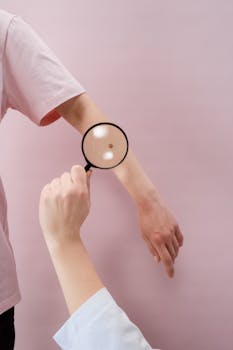
A shave biopsy is a common procedure used by dermatologists to diagnose various skin conditions, as well as to evaluate suspicious skin lesions. This minimally invasive method involves using a thin blade to remove a section of the epidermis and sometimes part of the dermis. Whether a shave biopsy is the right option for a particular skin lesion depends on several factors, including the lesion’s characteristics and the underlying suspicion for skin cancer. Understanding the procedure, its benefits, and limitations can help you make informed decisions about managing your skin health.
What Is a Shave Biopsy?
A shave biopsy is a technique used primarily for diagnosing superficial skin lesions. It is less invasive than other types of biopsies, such as punch or excisional biopsies, and is often performed in a doctor’s office. The procedure typically involves the use of a tool known as a dermablade, which helps in carefully removing tissue from the surface of the skin for examination.
This method is particularly suitable for lesions suspected to be non-melanoma skin cancers like basal cell carcinoma and squamous cell carcinoma. However, it is usually not recommended for lesions where melanoma is suspected, as a deeper tissue sample may be necessary to ensure an accurate diagnosis.
Benefits of a Shave Biopsy
The main advantage of a shave biopsy is its simplicity and speed. The procedure can be done quickly, often without the need for stitches. Another benefit is the minimal discomfort associated with the biopsy, which is often conducted under local anesthesia.
Following the procedure, most patients experience limited downtime and only mild post-operative care is needed, such as keeping the area clean and covered. Because the technique is less invasive than other biopsy methods, it often results in minimal scarring, which is a key consideration for visible areas of the skin.
Limitations and Risks
While shave biopsies are effective for many types of lesions, they have limitations. For deeper lesions that extend into the dermis or subcutaneous fat, a different type of biopsy might be required to obtain a full-depth sample. The main risk is the potential for an incomplete diagnosis if the lesion is not entirely sampled.
There is also a minimal risk of infection or bleeding, but these are rare when proper technique and post-procedural care are applied. It is crucial for patients to follow their healthcare provider’s advice to ensure optimal healing and to report any unusual symptoms or concerns promptly.
When Is a Shave Biopsy Necessary?
Doctors usually recommend a shave biopsy when the visual examination alone cannot confirm a diagnosis. Typical indications for this procedure include atypical moles, warts, and certain non-pigmented lesions. If a lesion appears unusual in color, shape, or size, a shave biopsy can help determine if further treatment is needed.
Alternative Diagnostic Procedures
In cases where a shave biopsy might not be appropriate, dermatologists may suggest alternative diagnostic methods. A punch biopsy, for example, takes a fuller-thickness sample of the skin and can be more suitable for diagnosing conditions that affect deeper layers.
Excisional biopsy is another alternative that involves the complete removal of a lesion. Excisional procedures are more commonly utilized when a more extensive tissue sample is necessary or when the entire lesion needs to be removed for both diagnosis and treatment.
Preparing for a Shave Biopsy
Preparation for a shave biopsy is generally straightforward. Prior to the procedure, patients should inform their healthcare provider of any medications, allergies, or bleeding disorders they may have. It is often recommended to avoid certain medications that can increase bleeding risk before the biopsy.
The procedure itself is typically brief, taking only a few minutes. Patients are usually able to return to their normal activities shortly after the procedure, though they should follow any specific care instructions provided by their dermatologist.
If health is a priority, learning about diet and exercise could complement understanding of skin health. Consider exploring the benefits of a high-protein diet for maintaining overall well-being.
Conclusion: Is a Shave Biopsy the Right Choice?
Deciding whether a shave biopsy is the right choice for your skin lesion depends on several factors, including the nature of the lesion, potential diagnosis, and your overall health. While this procedure is effective for many superficial lesions, it’s not suitable for every case. A discussion with your healthcare provider can ensure the appropriate diagnostic method is selected. Remember, a shave biopsy is a safe, quick, and minimally invasive option that can provide significant insights into your skin health.
- A shave biopsy is used for diagnosing superficial skin lesions.
- The procedure is quick, minimally invasive, and often involves local anesthesia.
- It is not recommended for lesions suspected to be melanoma.
- Discuss with your dermatologist to determine the best diagnostic approach for your condition.
FAQs
What is a shave biopsy?
A shave biopsy is a medical procedure used to collect a sample from a skin lesion for diagnostic evaluation. It involves removing a layer of skin using a sharp blade.
How long does a shave biopsy take?
The procedure typically takes just a few minutes and can often be performed in a dermatology clinic or doctor’s office.
Is a shave biopsy painful?
The procedure is usually not painful, as it is performed under local anesthesia. Patients may feel some pressure during the process.
What are the post-procedure care tips?
Post-procedure care includes keeping the biopsy site clean, applying a bandage as recommended, and watching for any signs of infection.
Do shave biopsies leave scars?
Shave biopsies may result in minor scarring, although this depends on the size and site of the biopsy, as well as individual skin healing characteristics.
Other Articles You May Find of Interest...
- Unlocking the Secrets of Snap-8 for Youthful Skin
- Is a Shave Biopsy the Right Choice for Your Skin Lesion?
- Is Doxycycline the Key to Clear Skin for Acne Sufferers?
- Is Tretinoin a Steroid or a Skincare Miracle?
- Natural Remedies to Fade Acne Scars in Just One Week
- Effective Use of Doxycycline for Acne: Optimal Dosage and Treatment Duration
- Effective Solutions for Periorbital Dark Circles Treatments




