More Beauty Skin Care & Gorgeous Smiles Articles
Cinnamon and Gout: What You Need to Know
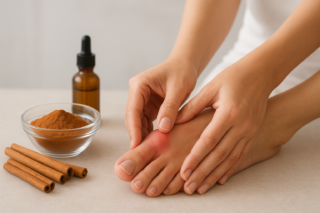
Many people with gout are curious about the role of cinnamon and if it might impact their condition. If you’ve ever asked, “is cinnamon bad for gout?”, you’re not alone. Cinnamon is commonly recognized for its anti-inflammatory properties, but how does it interact with gout symptoms? Understanding this can help you make informed dietary choices that support your health.
Is Cinnamon Bad for Gout?
Gout is a type of arthritis characterized by sudden, severe attacks of pain, swelling, redness, and tenderness in one or more joints. It occurs when urate crystals accumulate in your joint, causing inflammation and intense pain. But where does cinnamon fit into all of this? While cinnamon itself is not a cure for gout, some studies suggest it may have an anti-inflammatory effect, which could potentially provide some level of symptom relief as part of a broader management strategy.
Benefits and Potential Risks of Cinnamon
One of the primary reasons people consider using cinnamon for gout is its anti-inflammatory properties. Cinnamon contains compounds that are known to reduce inflammation, which might help reduce the swelling and pain associated with gout attacks. However, it’s crucial to maintain realistic expectations. While cinnamon can support your health, it should not replace professional medical treatment.
On the flip side, some people might experience allergic reactions or gastrointestinal issues when consuming cinnamon in large quantities. As with any dietary supplement, balance is key. Always consult with a healthcare provider before incorporating large amounts of cinnamon into your diet.
Effects on Daily Life and Lifestyle Choices
Gout affects various aspects of daily life, from mobility issues to changes in lifestyle choices. Incorporating anti-inflammatory foods, like cinnamon, might aid in managing symptoms. Coupled with responsible lifestyle choices such as a balanced diet and regular exercise, these steps could contribute to improved management of gout symptoms. Consider exploring more about how your lifestyle choices impact your overall health through this article on lifestyle impacts.
When to Seek Care
Managing gout isn’t just about dietary adjustments. If you experience frequent or severe gout attacks, it’s essential to consult with a rheumatologist. These specialists can offer a comprehensive treatment plan that might include medications to lower uric acid levels or anti-inflammatory drugs to mitigate pain and swelling. Don’t self-manage if symptoms worsen or become increasingly painful, as professional evaluation can prevent complications.
Day-to-Day Management with Medications
Many people managing gout are also on prescription medications. A key concern is whether cinnamon or other foods might interact with these treatments. While cinnamon is generally considered safe, it’s advisable to discuss any dietary changes with your physician. Be aware that some medications require adherence to specific dietary guidelines, and your healthcare provider can guide you on making suitable adjustments.
For detailed information on managing arthritis and understanding various treatments available, you can visit the informative resource from MedlinePlus on arthritis care.
Takeaways
- Cinnamon may help support gout management due to its anti-inflammatory properties.
- Always consult with a healthcare provider before making significant dietary changes.
- Balance lifestyle choices, diet, and medications for better health outcomes.
- Seek professional medical advice if your gout symptoms are severe or frequent.
- Stay informed about potential interactions between dietary supplements and your medications.
Common Questions
When should I see a doctor for gout?
If you experience sudden and severe joint pain, especially in the big toe, alongside swelling, redness, and tenderness, it’s a good idea to consult a doctor. Persistent or worsening symptoms should also prompt a medical evaluation.
What type of provider treats gout?
A rheumatologist specializes in joint diseases, including gout. They can offer treatments beyond what a general practitioner might provide, including specialist medications and joint care advice.
How can cinnamon impact my gout symptoms?
Cinnamon might help reduce inflammation, which is a common component of gout attacks. However, it should not be viewed as a cure and is best used in conjunction with other treatments.
Are there foods that can worsen gout?
Yes, certain foods high in purines, such as red meat and seafood, can exacerbate gout by increasing uric acid levels. Limiting intake of these foods may help reduce gout flare-ups.
How do lifestyle changes impact overall health and gout symptoms?
Healthier lifestyle choices, including proper diet, regular physical activity, and weight management, can significantly impact overall health and may aid in reducing the frequency and severity of gout attacks. Explore more insights on lifestyle impacts here.
Other Articles You May Find of Interest...
- Understanding PDRN Therapy: The Science Behind Skin Barrier Repair and Tissue Regeneration
- Who Is a Suitable Candidate for Breast Augmentation?
- Peptides vs Retinoids for Sensitive Skin: Why Matrixyl 3000 and CoQ10 Are Changing the Conversation
- Whitehead or Pustule? How to Tell These Acne Bumps Apart
- What Patients Should Know About Skin Removal Surgery
- Breast Augmentation vs. Breast Lift: Understanding the Difference
- 5 Things New Moms Should Know About Tummy Tuck Timing