






Your Health Magazine
4201 Northview Drive
Suite #102
Bowie, MD 20716
301-805-6805
More Beauty Skin Care & Gorgeous Smiles Articles
Adult Acne and Modern Lifestyle: Why More Adults Are Experiencing Breakouts
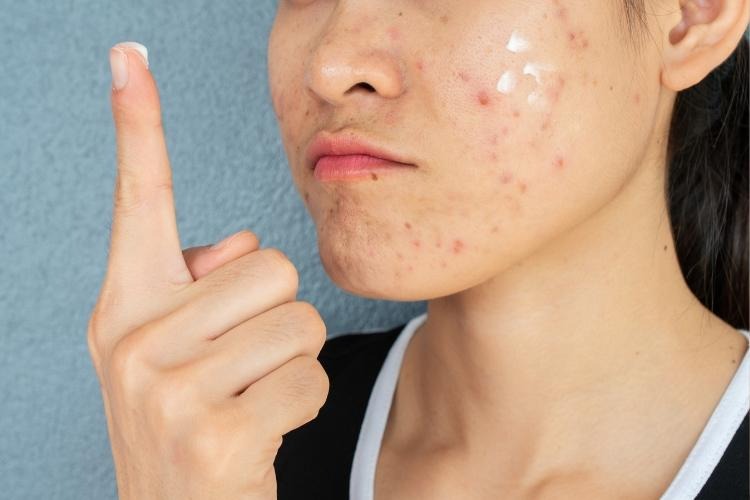
While the general consensus is that acne is a teenage problem, many people experience it well into their 20s. It is entirely possible to develop acne after many years of no problems at all.
But what is going on?
Life has changed a great deal over the last few decades. The way we work, the way we eat, the way we sleep, and the way we deal with stress are all different. It’s possible that these factors impact our skin. However, there are things you can do for your skin that prevent problems and cure those you already have.
This blog will discuss the phenomenon of adult acne and the lifestyle factors that may be contributing to your problems. It will also discuss how you can overcome the issues without turning your world upside down.
Stress and the Always-on Lifestyle
You’re stressed and don’t really get a break. Your life is filled with work and other daily tasks during the day, and family and other responsibilities at night. This is the life of many adults today.
Stress can lead to the production of hormones in the body. These can lead to an increase in the production of oil in the skin and thus, acne and clogged pores. Furthermore, stress can slow down the healing process. This can mean that acne and dark spots can take a very long time to heal.
You can eliminate stress-related acne and dark spots on your skin by setting a time to stop checking work and going to bed at a regular time every night.
Going for a short walk every day can also help. This will not remove acne and dark spots immediately, but it can contribute to their cure in the long run.
Hormones Do Not Stop After Your Teens
Hormones are known to contribute to adult acne, especially for women. Women experience changes in their menstrual cycles that affect their hormones, leading to acne. Also, men are not exempt from hormonal changes, especially due to stress and lifestyle changes.
Hormonal acne usually occurs around the jawline and chin. This type of acne is usually deeper and more painful. While hormones cannot be controlled, the effects on the skin can be.
A good skincare routine can help you deal with acne caused by hormonal changes by reducing clogged pores.
You can also use prescription treatments if the condition of your skin does not improve with over-the-counter products. For example, Curely offers online access to products such as differin gel. It’s a good option for adults, especially due to the medical oversight.
Diet and Busy Eating Habits
With busy lives, adults may turn to sweet treats and fast foods, which may trigger an acne breakout. Although food may not directly trigger a breakout, some eating habits may exacerbate acne in some people.
For example, foods high in sugar may raise blood sugar levels. This may interfere with hormones in the body that control oil production. In addition, dairy products may trigger an acne breakout.
You should improve your eating habits by consuming more natural foods and drinking plenty of water to improve your skin condition. In addition, observe your skin reactions after eating certain foods to establish your personal triggers.
Skincare Overload and Trend Fatigue
Too much skincare is another issue we all experience today. There are many routines on social media today that require ten or more steps.
With many online sources to look up to, you can easily fall into the trap of thinking you need many products to achieve healthy and clear skin. But remember, using many active products can irritate your skin.
Some products, such as harsh scrubs and rich creams, can harm your skin. When this happens, your skin can produce more oils to protect itself, leading to more breakouts.
Adults who experience acne need to follow a simple routine and use fewer products. Here are some tips to follow:
- Wash twice a day. Be gentle.
- Apply a gentle, non-clogging moisturiser.
- Only add one treatment at a time.
- Give your treatment time to work before moving on to the next one.
- Don’t use many treatments at once unless your physician tells you to do so.
- Be patient. Prescription treatments can work well but you must give them time.
Sleep
As an adult, you may not get enough sleep. Unfortunately, this can lead to an outbreak of acne. This is because, when you sleep poorly, your stress hormones may rise causing more breakouts.
Also, your skin rejuvenates when you are sleeping. Therefore, if you do not have enough sleep, the rejuvenation process may slow down. This explains why you wake up in the morning with dull skin and an acne outbreak.
To prevent this, you should establish a good sleeping pattern. Furthermore, reduce your screen time and keep your room cool and dark.
The Pressure to Look Perfect
The world is ‘obsessed’ with the way people look. High-quality cameras and image filters can make normal skin look ‘flawed.’ This creates a level of stress, which can, in turn, contribute to more breakouts.
Also, you might feel that you need to use more products and try out all the different skin regimens that are online to look more ‘attractive.’ This can irritate the skin, leading to more breakouts.
It’s important to understand that good skin does not look smooth. Instead it has pores. Therefore, getting good skin is about making realistic goals, such as minimizing breakouts and scars. Pores are normal and you should not try to get rid of them or cover them.
Final Thoughts
Adult acne is more prevalent than you may think. There are a variety of reasons that could lead to adult acne. These include stress, hormone imbalance, diet, sleep patterns, and even skincare products.
However, you should not think that taking care of your skin means doing a million different things. It’s the small steps that count.
Try to reduce your stress levels if you can, keep your skincare simple, monitor your sleeping and eating patterns, increase your intake of water, reduce your stress levels, and consult a doctor regarding medication.
When you take care of your body and mind, you are giving your skin a chance to heal and stay that way.
Other Articles You May Find of Interest...
- Adult Acne and Modern Lifestyle: Why More Adults Are Experiencing Breakouts
- Unlocking the Healing Potential of Lymphatic Drainage Massage Benefits
- Causes and Solutions for Small White Bumps on Your Face
- Why Do Spots Appear on Your Lip and How to Treat Them?
- Do Cartilage Piercings Hurt? Here’s What to Expect
- Unlocking the Powerful Benefits of GHK-Cu Peptide for Your Health
- Healing After Inflammation: Navigating Post Inflammatory Hypopigmentation




