






More Allergy, Asthma & Infectious Disease Articles
What Is a Morbiliform Rash and How Can You Identify It?
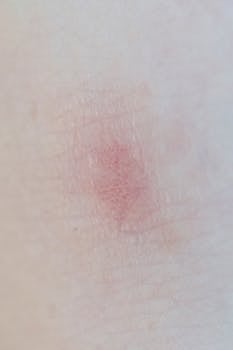
It starts as an unexpected outbreak on your skin, a pattern you might not recognize: red, flat spots that sometimes look alarming. If you’ve ever experienced a morbiliform rash, you know it can be frustrating and worrisome. This skin condition is often associated with allergic reactions or viral infections and can appear suddenly, covering large portions of the body. Understanding what a morbiliform rash looks like and what could cause it can help you manage your symptoms and know when to seek further medical advice.
Identifying a Morbiliform Rash
Morbiliform rash, also known as a maculopapular rash, is characterized by a combination of flat, red areas and small, raised bumps on the skin. It often resembles measles and can be itchy or non-itchy. Commonly, these rashes appear on the lower abdomen and trunk, but may spread to other areas of the body, including the limbs.
A morbiliform rash can arise due to various reasons, such as an adverse reaction to medications, especially antibiotics like penicillin. Viral infections, including certain types of herpes virus, can also cause such rashes. In many cases, the rash appears after the initial onset of the fever that accompanies viral illnesses.
Common Triggers and Causes
Several factors can lead to the development of a morbiliform rash. One of the leading causes is an allergic reaction to medication. Antibiotics, nonsteroidal anti-inflammatory drugs (NSAIDs), and certain other medications can trigger this skin reaction. However, the same medications do not cause a rash in everyone, which highlights the role of individual sensitivity.
Viral infections such as measles, rubella, and certain strains of hepatitis can also result in a morbiliform rash. The rash often manifests a few days after other symptoms appear, such as fever or malaise.
Addressing Concerns About Medications
For those who suspect a medication-induced rash, it’s crucial to speak with a healthcare provider before discontinuing any medication. Abruptly stopping a necessary drug might lead to more harm, and your clinician can offer alternatives or gradually change your medication regimen. Moreover, they can determine the likelihood that a drug caused the rash or if it’s related to something else like a viral infection.
Some people may experience a worsened rash or new symptoms after starting a new medication. If this occurs, reach out to your doctor promptly. It’s always beneficial to report any side effects or unusual skin reactions to ensure you receive proper care and adjustments.
Impact on Daily Life
Living with a morbiliform rash can affect everyday activities. Itching, if present, can be distracting and uncomfortable, impacting sleep and focus. The visibility of the rash might also affect a person’s confidence or willingness to engage in social activities. While the rash itself tends to be harmless, the psychological and lifestyle impacts can be significant.
Proper skin care routines, such as using gentle, unscented moisturizers and wearing soft, breathable fabrics, may help lessen discomfort. In some cases, over-the-counter antihistamines can reduce itching, but always consult a healthcare provider before introducing any new treatment.
When to Seek Care
If you notice persistent or severe skin rashes, it’s advisable to consult a dermatologist. They can help diagnose the cause of your rash and offer a treatment plan. It’s particularly important to seek care if the rash is accompanied by other alarming symptoms like breathing difficulties or swelling, as these may indicate a more serious allergic reaction.
If a morbiliform rash develops after starting a new medication, inform your doctor. They may conduct tests or suggest discontinuing the medication under supervision to prevent adverse health outcomes. Consulting your healthcare provider ensures that you receive personalized medical advice based on your health condition.
Takeaways
- A morbiliform rash includes flat, red spots and small, raised bumps.
- Typically linked to drug allergies or viral infections.
- Medication-induced rashes require a doctor’s evaluation before stopping the drug.
- Seek professional advice if severe symptoms or breathing issues occur.
- Maintain good skin care habits to alleviate discomfort.
Common Questions
When should I see a doctor for a morbiliform rash?
You should consult a doctor if the rash persists, worsens quickly, or is accompanied by concerning symptoms like difficulty breathing or swelling. Immediate care can prevent complications.
What specialist treats morbiliform rashes?
Dermatologists are specialists who can effectively diagnose and treat various skin conditions, including morbiliform rashes. They can help determine the cause and suggest appropriate treatments.
How can I differentiate between a drug-induced rash and a viral rash?
It can be challenging to differentiate; however, timing after medication initiation or exposure to viral illnesses can provide clues. A healthcare provider will help decipher the cause through medical history and tests.
Are there any preventive measures for morbiliform rash?
Preventive measures include informing your healthcare provider about any known drug allergies and following prescribed medication guidelines. Avoiding unnecessary medications unless advised by a healthcare provider can also reduce the risk.
Could stress cause or exacerbate a morbiliform rash?
Though stress isn’t a direct cause, it can exacerbate existing skin conditions, potentially worsening the rash or its symptoms. Stress management techniques may contribute to overall skin health.
For further reading on mental health therapies, consider exploring new therapies for OCD. If you need more detailed information on health-related topics, visit the comprehensive resources at MedlinePlus.
Other Articles You May Find of Interest...
- Enterobacter Aerogenes: A Hidden Threat in Our Microbial World?
- What Is a Morbiliform Rash and How Can You Identify It?
- Navigating Health Challenges: Tips for Effective Management and Wellness
- The Importance of Hep B Surface Antibody Testing for Your Health
- What Is the Incubation Period for Hand, Foot, and Mouth Disease?
- Effective Relief from Allergies and Congestion with Brompheniramine Pseudoephedrine
- Discovering the Benefits of PEG: What You Need to Know




