






More Allergy, Asthma & Infectious Disease Articles
What Bit Me? Identifying Common Insect Bites and Their Treatments
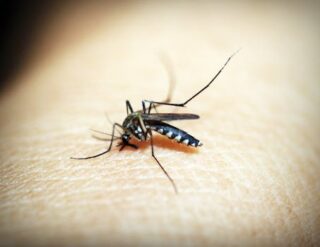
When you wake up with an itchy red bump on your skin, you might wonder, “What bit me?” Identifying insect bites can be challenging, especially when the symptoms appear similar. In this guide, we’ll explore some of the most common insect bites and their symptoms to help you pinpoint the culprit and find relief.
What Bit Me? Identifying Common Insect Bites
Different insects can cause various types of bites, each with unique symptoms. Knowing how to identify these bites can help you determine the best course of action for treatment and prevention.
Mosquito Bites
Mosquito bites are common and often result in an itchy, red bump that can swell slightly. These bites are usually harmless but can sometimes spread diseases like West Nile virus and malaria in certain regions. If you’re frequently outdoors, consider using insect repellent and wearing long sleeves.
Tick Bites
Ticks are parasitic insects that can attach to the skin and remain there to feed. A tick bite often appears as a red spot with a black center, which is sometimes accompanied by a rash. Prompt removal is crucial to reduce the risk of Lyme disease and other tick-borne illnesses. Use fine tweezers to gently remove the tick from the skin.
Flea Bites
Flea bites are characterized by small, itchy red bumps that usually appear in clusters or lines, commonly on the ankles and legs. These bites are typical in households with pets. To treat, clean the area with soap and water and avoid scratching to prevent infection.
Spider Bites
While most spiders are harmless, a few, such as the black widow or brown recluse, can cause more serious symptoms. Spider bites are often red and swollen, sometimes with a necrotic center for venomous species. If you suspect a venomous spider bite, seek medical attention promptly.
Bed Bug Bites
Bed bug bites appear as small red bumps often grouped in a line or cluster. They are common in areas where multiple people sleep and can cause intense itching. Regularly wash bedding and vacuum to prevent infestations.
Bee and Wasp Stings
Unlike bites, stings from bees or wasps inject venom into the skin, causing pain and swelling. Reactions can vary, with some people experiencing more severe allergies. Remove the stinger if present and apply ice to reduce swelling. Seek emergency help if you have difficulty breathing or other severe symptoms.
Possible Treatments and Preventive Strategies
Identifying what bit you can aid in selecting the right treatment to alleviate symptoms and prevent further bites.
- For mosquito bites, apply antihistamine creams to reduce itching.
- If a tick is attached, use tweezers to pull it straight out without twisting, then clean the area with alcohol.
- For flea bites, ensure that pets are treated to prevent re-infestations.
- Spider bites may require a cold compress and monitoring for severe symptoms.
- Bed bug bites respond well to topical creams and maintaining a clean sleeping area.
- Treat bee stings with baking soda and water paste to neutralize the venom and reduce pain.
Prevention Tips
Preventing insect bites relies on reducing exposure and maintaining a clean environment.
Using repellents, wearing appropriate clothing, and regularly washing bedding and pet areas can significantly decrease the frequency of insect bites. Educate yourself on specific insects in your area, and take measures to manage them effectively.
To explore safe and effective approaches to other health concerns, check out our article on weight loss tips and underlying causes.
Common Symptoms of Identified Bites
Understanding the common symptoms can help ensure that appropriate care is administered and can prevent complications from untreated insect bites.
When to Seek Medical Help
If symptoms of a bite persist, worsen, or involve an allergic reaction such as difficulty breathing, swelling of the face, or a widespread rash, it is important to seek medical help immediately. These symptoms may indicate a severe allergic reaction.
For a deeper dive into health topics, you can read more about insect bite management at Health Wikipedia.
Considering these aspects can greatly enhance your ability to answer the question, “What bit me?” and respond effectively to insect bites.
- Identify different insect bites based on appearance and symptoms.
- Take preventive measures to avoid bites.
- Treat bites promptly to reduce discomfort and prevent infections.
- Know when to seek medical help for serious symptoms.
- Use reliable resources to stay informed about insect-related health concerns.
FAQ
How can I identify what bit me?
Look for specific patterns, colors, and locations of bites. Use symptoms as clues and compare them with known insect bite signs.
Are insect bites dangerous?
Most are harmless and cause mild discomfort. However, bites from certain insects like ticks and spiders can cause serious health issues. It’s important to monitor symptoms and seek help if necessary.
Can I use home remedies for insect bites?
Yes, many home remedies can alleviate itchiness, such as aloe vera, baking soda paste, or applying ice. However, be cautious and consult a healthcare provider if symptoms persist.
Should I be concerned about insect bites when traveling?
Yes, especially in regions where insect-borne diseases are prevalent. Using protective measures like insect repellent, mosquito nets, and appropriate clothing is recommended.
How can I prevent insect bites altogether?
Use insect repellents, wear long sleeves, and maintain a clean living environment, especially if you have pets. Stay informed about local insects and possible preventive practices.
Other Articles You May Find of Interest...
- Samter’s Triad Explained: The Link Between Asthma, Nasal Polyps, and Aspirin Sensitivity
- Could You Be Allergic to Onions? Signs, Symptoms, and What to Avoid
- What High Basophil Levels Mean for Your Health
- Do Antibiotics Expire and What You Should Know About Their Shelf Life?
- Is Your Skin Reacting to Grass? Discover the Causes and Remedies for Grass Rash
- What You Need to Know About Viral URIs and Their ICD-10 Classification
- Is the Hepatitis C Antibody Test Right for You? Discover Important Insights



