






More Allergy, Asthma & Infectious Disease Articles
Vaginal Yeast Infections and Their ICD-10 Classification Explained
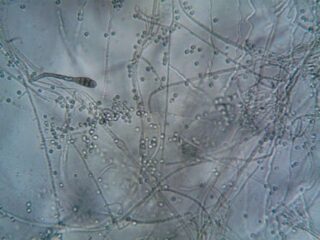
Understanding the complexities of a vaginal yeast infection ICD 10 classification can be immensely helpful in navigating medical records, understanding diagnosis, and discussing treatment options with healthcare providers. Vaginal yeast infections are a common issue among women, caused primarily by the overgrowth of the fungus Candida albicans. The International Classification of Diseases, Tenth Revision, or ICD-10, provides a standardized coding system for these infections, facilitating better communication across medical professionals and institutions.
What Is a Vaginal Yeast Infection ICD 10 Code?
The ICD-10 code for vaginal candidiasis, also known as a vaginal yeast infection, is B37.3. This code helps healthcare providers document and track the diagnosis efficiently in medical records. The ICD-10 system is crucial for organizing health information internationally and plays an integral role in planning treatment and managing healthcare statistics.
Causes and Symptoms of Vaginal Yeast Infections
Vaginal yeast infections occur when the natural balance of bacteria and yeast in the vagina is disrupted. Factors such as antibiotic use, pregnancy, uncontrolled diabetes, or a weakened immune system can contribute to this imbalance. Common symptoms include itching, burning, and a thick, white discharge. These symptoms can cause discomfort but are typically not serious if treated promptly.
Diagnosis and Treatment Options
A healthcare provider will usually diagnose a vaginal yeast infection based on a pelvic examination and analysis of symptoms. In some cases, a sample of the vaginal discharge may be tested to confirm the presence of Candida albicans. Treatment typically involves antifungal medications, available in forms such as creams, ointments, or tablets. It is essential to follow the full course of treatment as prescribed to ensure the infection is fully eradicated.
Prevention Tips
To reduce the risk of developing a vaginal yeast infection, it is advisable to maintain good vaginal hygiene. Wear breathable, cotton underwear, avoid prolonged wet or damp clothing, and steer clear of scented feminine products that can disrupt the natural balance of bacteria and yeast.
For further information on related women’s health issues, you might find it beneficial to review this article on issues beyond fertility. It offers insights into various problems affecting women’s reproductive health.
Understanding the Role of ICD-10 in Healthcare
The ICD-10 coding system enables the precise classification of diseases, symptoms, and procedures, which is essential for accurate diagnosis, research, and treatment planning. For healthcare providers, accurate coding is crucial for billing, insurance claims, and maintaining comprehensive health statistics.
Additionally, these codes play an important role in global health monitoring and data collection, assisting in tracking health trends and emerging issues. By using ICD-10 codes like B37.3 for vaginal yeast infections, healthcare providers contribute to a larger picture of healthcare analysis and improvement.
Conclusion
The vaginal yeast infection ICD 10 code B37.3 serves an essential function in the medical community by providing a uniform language for diagnosis and treatment management. Proper understanding and use of this classification can lead to more accurate diagnosis and improved patient outcomes. Always consult with a healthcare provider for personalized advice regarding diagnosis and treatment options for vaginal yeast infections.
For more detailed information about health classification systems, consider visiting this comprehensive resource which covers a variety of health-related topics.
- Vaginal yeast infection ICD 10 code is B37.3.
- Good hygiene practices can help prevent infections.
- ICD-10 codes streamline diagnosis and treatment.
- Accurate coding is crucial for healthcare management.
- Consult healthcare providers for personalized treatment.
What are the common symptoms of a vaginal yeast infection?
Common symptoms include itching, burning, and a thick, white discharge from the vagina. These symptoms can vary in severity but are generally treatable with antifungal medications.
How is a vaginal yeast infection diagnosed?
A healthcare provider can diagnose a vaginal yeast infection through a physical exam and an analysis of symptoms. In some cases, testing a sample of the vaginal discharge may also confirm the infection.
Can men get yeast infections?
Yes, men can develop yeast infections, known as candidiasis, particularly in warm, moist areas like the groin. Treatment is similar with antifungal creams or medications.
Are there home remedies for treating yeast infections?
While some home remedies are suggested, such as yogurt or probiotics, they should be used with caution and not replace professional medical advice. Always consult with a healthcare provider for proper treatment.
Why is the ICD-10 code important for patients?
ICD-10 codes like B37.3 help organize and standardize diagnoses, ensuring accurate treatment plans and efficient communication across healthcare providers. This coding also facilitates better healthcare management and planning.
Other Articles You May Find of Interest...
- Samter’s Triad Explained: The Link Between Asthma, Nasal Polyps, and Aspirin Sensitivity
- Could You Be Allergic to Onions? Signs, Symptoms, and What to Avoid
- What High Basophil Levels Mean for Your Health
- Do Antibiotics Expire and What You Should Know About Their Shelf Life?
- Is Your Skin Reacting to Grass? Discover the Causes and Remedies for Grass Rash
- What You Need to Know About Viral URIs and Their ICD-10 Classification
- Is the Hepatitis C Antibody Test Right for You? Discover Important Insights




