






More Allergy, Asthma & Infectious Disease Articles
Understanding the Benefits of Quantiferon Testing for Tuberculosis Detection
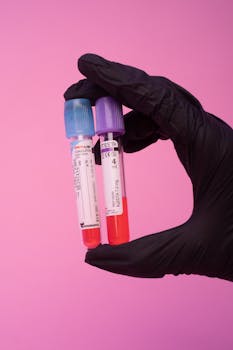
Tuberculosis (TB) remains a significant global public health issue, and accurately diagnosing this infectious disease swiftly is crucial for controlling its spread. One of the most advanced tools for this purpose is the Quantiferon test, a blood test used to detect Mycobacterium tuberculosis infection. This test provides a reliable alternative to traditional skin tests, offering certain advantages in specificity and convenience.
What is Quantiferon?
The Quantiferon test, often referred to in clinical settings as an interferon-gamma release assay (IGRA), is specifically designed to detect the immune response to proteins associated with TB bacteria. Unlike traditional methods, such as the Tuberculin Skin Test (TST), the Quantiferon test does not require a follow-up visit, making it more convenient for patients and healthcare providers. With a single blood draw, the test analyzes if the immune system has been sensitized to the TB bacteria.
Advantages of Quantiferon Testing
The Quantiferon test offers several benefits over the conventional Tuberculin Skin Test. One of the primary advantages is its high specificity. This reduces false positives often seen with the TST, where reactions can occur due to previous BCG vaccination or exposure to non-tuberculous mycobacteria. Additionally, with results typically available within 24 hours, the Quantiferon test helps expedite decisions regarding further TB management and treatment.
Convenience and Reliability
Another significant advantage of the Quantiferon test is its convenience. Traditional skin tests require a healthcare visit 48 to 72 hours after administration to interpret the results. Quantiferon simplifies this with a single blood draw, thus minimizing disruptions for patients. Furthermore, the reliability of results does not depend on the subjective interpretation of skin reactions, as with the TST.
Reduced Risk of Human Error
Quantiferon testing helps reduce human error in TB diagnostics. The skin tests, reliant on visual assessments, can be affected by clinician experience and environmental factors. Conversely, lab-based Quantiferon tests mitigate these issues, offering consistency and accuracy.
Application of Quantiferon Testing
Quantiferon testing is particularly beneficial in screening programs for populations at higher risk of latent TB infection, such as healthcare workers or individuals in correctional facilities. It is also useful in settings where the TST is less reliable, for example, amongst BCG-vaccinated individuals.
For those interested in understanding other health-screening strategies, our comprehensive guide on effective approaches to health and nutrition provides further insights into disease prevention.
Clinical Considerations
Despite its advantages, there are clinical considerations regarding the use of Quantiferon tests. A healthcare provider should evaluate the patient’s clinical context, risk factors, and local TB guidelines when deciding on the appropriate diagnostic measure. It’s imperative to use the Quantiferon test as part of a holistic approach towards TB management.
If you’re interested in learning more about TB detection and public health measures, a good starting point is the overview of health topics found on Wikipedia.
Quantiferon: A Modern Tool in Public Health
The adoption of the Quantiferon test is a testament to advancing technology in disease detection and public health. The precision, efficiency, and reliability it offers make it a valuable tool in the fight against tuberculosis. Leveraging such modern diagnostics helps support global health initiatives aimed at reducing TB prevalence.
By understanding and utilizing Quantiferon testing, healthcare systems can better manage and control tuberculosis, ultimately improving patient outcomes and public health at large.
- Quantiferon is a modern blood test used to detect tuberculosis.
- It provides advantages over traditional skin tests, including specificity and convenience.
- Clinical context is crucial in determining the appropriateness of Quantiferon use.
- The test is an essential tool in public health for TB control.
- Healthcare systems should integrate advanced diagnostics for better disease management.
What is the Quantiferon test used for?
The Quantiferon test is used to detect latent or active tuberculosis infections by measuring the immune response to TB-specific antigens.
How is Quantiferon different from a Tuberculin Skin Test?
Unlike the Tuberculin Skin Test, which requires multiple visits to a healthcare provider, Quantiferon testing involves a single blood draw and provides more specific results, reducing false positives.
Who should get a Quantiferon test?
The test is recommended for individuals at higher risk of tuberculosis, including healthcare workers, travelers to high TB prevalence areas, and people with weakened immune systems.
Are there any limitations to the Quantiferon test?
While the Quantiferon test is highly specific, it should be interpreted within the broader clinical context. False negatives can occur, particularly in individuals with compromised immune systems.
What should I do if my Quantiferon test is positive?
If your Quantiferon test is positive, consult with your healthcare provider for further assessment and potential treatment options to prevent the progression of TB infection.
Other Articles You May Find of Interest...
- Essential Insights into the Sepsis Bundle for Effective Treatment
- Relief from Mosquito Bites: The Role of Antihistamines
- Effective Strategies for Mycoplasma Pneumoniae Treatment
- Recognizing the Signs of Adult Bronchiolitis Symptoms for Better Health
- Discover the Benefits of At Home Food Allergy Testing for Your Health
- Exploring the Role of Coccobacilli in Human Health
- Unlocking the Benefits of Absolute Risk Reduction for Informed Health Decisions




