






More Allergy, Asthma & Infectious Disease Articles
Tinea Versicolor: Understanding Its Diagnosis and Treatment Options
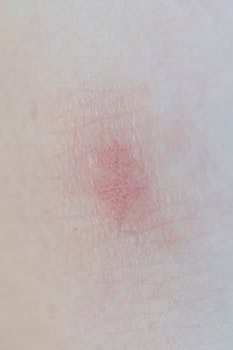
Tinea versicolor is a common skin condition caused by an overgrowth of yeast on the skin. It is often recognized by its patchy discoloration and affected skin areas that do not tan like the surrounding areas. Understanding the tinea versicolor ICD 10 code can be essential for accurately diagnosing and billing for this condition within medical records. The ICD-10 code provides a standardized way of classifying and reporting various health conditions, including tinea versicolor, ensuring that patients receive appropriate care.
What is Tinea Versicolor?
Tinea versicolor, sometimes referred to as pityriasis versicolor, results from a fungal infection due to an overgrowth of a type of yeast called Malassezia, which is a normal inhabitant of human skin. This condition is not contagious and most commonly affects adolescents and young adults, although it can appear at any age. The yeast interferes with the normal pigmentation of the skin, resulting in small discolored patches.
Understanding the Tinea Versicolor ICD 10 Code
The tinea versicolor ICD 10 code is critical for healthcare providers to document and treat this condition effectively. An accurate code helps in reporting and understanding the prevalence of this skin disorder. It also plays a role in research and statistical analysis within the healthcare industry. Having knowledge of the proper code ensures that medical professionals can communicate and track this condition efficiently.
Symptoms and Diagnosis
The primary symptom of tinea versicolor is a rash characterized by scaly, discolored patches on the skin. These patches may appear lighter or darker than the surrounding skin and are often found on the trunk and shoulders. Diagnosis typically involves a physical examination by a dermatologist, who may use a Wood’s lamp or take a skin scraping to examine under a microscope to confirm the presence of the yeast.
Treatment Options for Tinea Versicolor
Treatment for tinea versicolor aims to eliminate the yeast and restore the skin’s normal appearance. Common treatment methods include topical antifungal creams, lotions, and shampoos that specifically target Malassezia yeast. In some cases, oral antifungal medications may be prescribed by a healthcare provider for more extensive infections.
Preventing Recurrence
Since tinea versicolor can recur, particularly in warm and humid climates, patients may need to adopt preventive measures. These measures can include regular use of antifungal shampoos or body washes and minimizing exposure to heat and sweating. Loose-fitting clothing can help reduce moisture build-up on the skin, providing an additional preventive strategy.
Impact of Lifestyle on Skin Health
Maintaining a healthy lifestyle can support overall skin health and mitigate conditions like tinea versicolor. Good nutrition, regular exercise, and proper skin care practices can contribute to a healthy immune system, potentially reducing the risk of yeast overgrowth on the skin. For more information on how lifestyle choices impact skin health, you can read our article on how lifestyle choices impact our overall health.
Research and Future Directions
Ongoing research into the causes and treatments of tinea versicolor continues to improve understanding of the condition. Studies focus on new antifungal therapies, potential genetic predispositions, and the broader ecological role of skin microbiota, which include microorganisms like Malassezia. These efforts aim to enhance treatment efficacy and provide relief for those affected.
For in-depth information regarding skin conditions, you can visit this informative page on Wikipedia’s health information that offers insights into a wide range of medical and lifestyle-related topics.
Conclusion
In conclusion, understanding and utilizing the tinea versicolor ICD 10 code is essential for the proper management and treatment of this condition. By keeping informed about symptoms, treatments, and prevention strategies, patients and healthcare providers can effectively address the impacts of tinea versicolor.
- Tinea versicolor is caused by an overgrowth of Malassezia yeast.
- Symptoms include discolored patches of skin.
- The ICD-10 code ensures accurate documentation and treatment.
- Treatment involves antifungal shampoos, creams, or oral medications.
- Prevention includes good hygiene and limiting heat exposure.
FAQs
What triggers tinea versicolor?
Tinea versicolor can be triggered by hot, humid weather, oily skin, hormonal changes, or a weakened immune system.
Is tinea versicolor contagious?
No, tinea versicolor is not contagious. It results from the overgrowth of yeast that naturally lives on skin.
Can tinea versicolor go away on its own?
While tinea versicolor may improve with cooler temperatures, treatment is often necessary for more persistent cases to clear the fungus and restore skin appearance.
How can I prevent tinea versicolor from coming back?
To prevent recurrence, use antifungal treatments regularly as directed, maintain good hygiene, and avoid excessive heat and sweating.
Can tinea versicolor affect other parts of the body?
Tinea versicolor typically affects the torso, back, and shoulders, but it can occur on any oily areas of the skin.
Other Articles You May Find of Interest...
- The Role of Metamyelocytes in Your Blood Health
- Understanding Varicella IgG: What It Means for Your Health
- The Essential Role of the Bell of a Stethoscope in Patient Diagnosis
- Strep Throat Duration: How Long Can You Expect It to Last Without Antibiotics?
- What Is Purpura Fulminans and How Can It Impact Your Health?
- Navigating ICD 10 Allergic Rhinitis: Understanding the Codes and Impacts
- Can Benadryl Affect Your Blood Pressure?



